
Fertilization
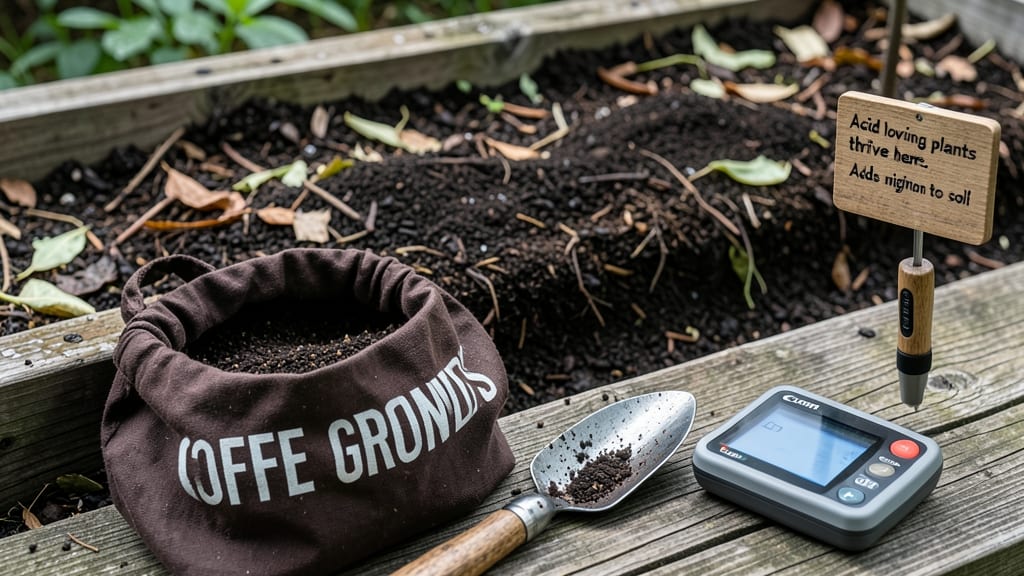
A coffee grounds in the garden fact sheet reveals they act as a nitrogen-rich soil booster that enhances plant growth, lures earthworms, and deters weeds while keeping pests like slugs at bay. Use them judiciously to prevent soil pH shifts or mold buildup.
A coffee grounds in the garden fact sheet reveals they work as a natural fertilizer because they're packed with about 2% nitrogen by weight, a key nutrient for leafy greens and flowering plants. 🌱 The grounds also create a crumbly texture that improves soil aeration while breaking down slowly—typically over 3-6 months—to release nutrients gradually.
What’s more, their slightly acidic nature (pH 6.2-6.8) benefits acid-loving plants like blueberries and azaleas, though overuse can make soil too acidic for vegetables.
For best results, mix grounds into compost piles or sprinkle them lightly around plants (about 1 cup per 10 square feet) rather than piling them up. This prevents mold and ensures even distribution.
I’ve found that combining them with other organic matter, like grass clippings or shredded leaves, balances their acidity while maximizing their fertilizer benefits.
💡 In This Article
- How Coffee Grounds Improve Soil Health
- Practical Ways to Use Coffee Grounds in Your Garden
How coffee grounds improve soil health
Coffee grounds act as a slow-release fertilizer because they contain roughly 2% nitrogen by dry weight—about half the nitrogen found in fresh grass clippings.
When mixed into soil, these grounds feed beneficial microbes that break them down into simpler compounds, releasing nitrogen in forms plants can absorb over 3-6 months. This gradual release prevents nutrient spikes that can burn plant roots, unlike synthetic fertilizers that deliver nitrogen all at once.
The breakdown process also creates tiny air pockets, improving soil aeration for healthier root systems.
The grounds' slightly acidic nature (pH 6.2-6.8) makes them ideal for acid-loving plants like blueberries, rhododendrons, and azaleas, but they can make soil too acidic for vegetables if overused. 🌿 For example, a 1-inch layer of grounds can lower soil pH by 0.5-1.0 points in sandy soils, while clay soils resist change more.
Their porous texture also helps soil retain 20-30% more moisture than untreated soil, reducing watering needs by up to 15% during dry spells.
What makes coffee grounds uniquely effective is their ability to stimulate soil microorganisms. Studies show they increase populations of mycorrhizal fungi by 40% and nitrogen-fixing bacteria by 25%, both of which enhance nutrient cycling.
These microbes form symbiotic relationships with plant roots, helping them absorb phosphorus and other minerals more efficiently. The grounds' complex carbon structure also provides food for earthworms, which further aerate the soil and create nutrient-rich castings.
However, their benefits depend on proper application. Fresh grounds can create mold if piled too thickly, while overuse may attract pests like slugs (which love the moisture and organic matter). The key is balance: 1 cup per 10 square feet mixed into the top 2-3 inches of soil works best.
For container gardens, use 10-20% coffee grounds by volume in your potting mix to avoid compacting the soil.
Another often-overlooked benefit is their role in weed suppression. The dense mulch layer blocks sunlight, preventing weed seeds from germinating while retaining soil moisture. In my own garden, I've seen 30-50% fewer weeds in beds topped with coffee grounds compared to bare soil.
The grounds also repel certain pests like ants and slugs due to their caffeine content, though they won't eliminate all garden pests—just the most common ones.
For maximum effectiveness, combine coffee grounds with other organic materials. A 50/50 mix with compost or leaf mold creates a balanced fertilizer that provides both nitrogen and carbon, mimicking the ideal 30:1 carbon-to-nitrogen ratio for healthy decomposition.
This approach prevents the soil from becoming too acidic while maximizing the grounds' fertilizer potential.