
Plants
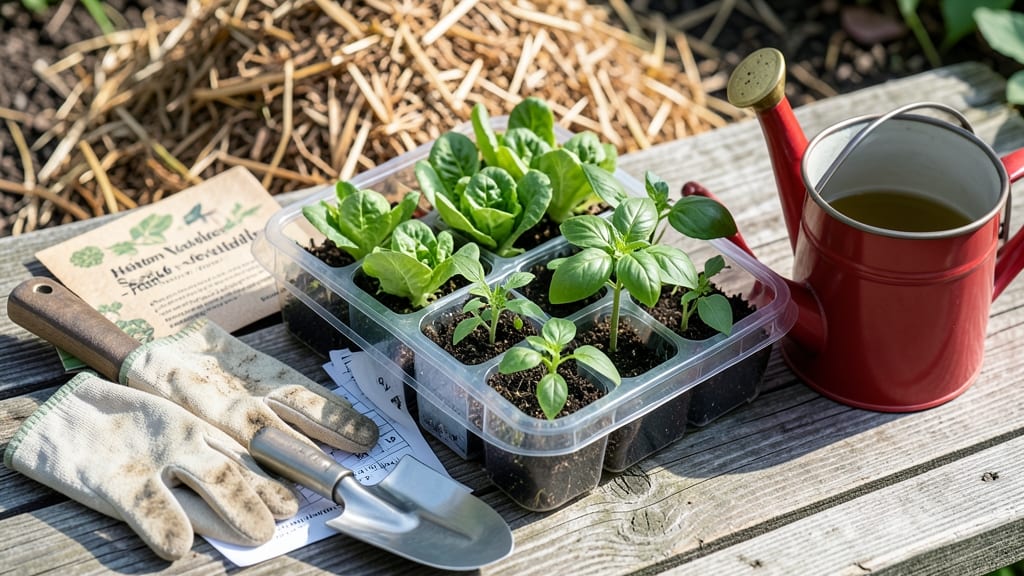
Planting garden plants at the right time means the difference between a thriving harvest and wasted effort — and missing the window by even a few weeks can leave your 🌱 struggling or stunted.
Timing is everything in gardening—plant too early and risk frost damage, too late and miss peak harvests. Whether you're growing tomatoes, herbs, or perennials, getting the dates right ensures your plants grow strong and healthy.
In Zone 6a, like many regions, the ideal window opens after your last frost (April 15) and closes before the first frost (October 15).
But the exact timing depends on what you're planting: cool-season crops like spinach thrive early, while warm-season favorites like peppers need the soil to warm up first.
Below, I’ll break down the best planting times for your zone, how to adjust for early or late starts, and the three biggest mistakes that sabotage even the most careful gardeners—so you can set your plants up for success from day one.
USDA planting zones: exact dates for vegetables, flowers, and herbs
Timing your garden plants correctly means the difference between a thriving harvest and wasted effort. The USDA Plant Hardiness Zones help predict frost dates, but exact planting windows vary by crop type and regional microclimates.
Coastal areas often have milder springs, while inland zones face harsher frost risks. Let’s break down the critical deadlines for your zone to ensure you plant at the perfect moment.
Cool-season crops like spinach and peas thrive when soil temperatures hover between 40°F and 70°F. In contrast, tomatoes and peppers demand 60°F+ soil and won’t tolerate frost.
Knowing your last frost date (when nighttime temps stay above 32°F) is essential—plant too early, and tender seedlings will perish. Too late, and you’ll miss peak harvests.
Below is your zone-by-zone planting guide for Zones 3 through 10, covering spring and fall deadlines for key vegetables, flowers, and herbs. Adjust for coastal vs. inland climates: coastal areas may have 2-3 weeks earlier last frosts, while inland zones can experience delayed warming.
🌱
| USDA Zone | Last Frost Date | Cool-Season Plants (Spring) | Warm-Season Plants (Spring) | Fall Planting Window | Regional Adjustments |
|---|---|---|---|---|---|
| Zone 3 | May 10–20 | Spinach, Peas, Lettuce (April 1–15) | Tomatoes, Peppers (May 25–June 1) | July 15–August 15 (4–6 wks before first frost) | Inland: Delay by 1–2 weeks; Coastal: Advance by 1 week |
| Zone 4 | April 25–May 5 | Kale, Radishes, Onions (March 20–April 10) | Cucumbers, Basil (May 10–20) | July 1–August 10 | Coastal: Advance spring by 10 days; Inland: Delay by 7–10 days |
| Zone 5 | April 15–25 | Broccoli, Carrots (March 15–April 5) | Eggplant, Okra (May 1–15) | June 20–July 30 | Mountainous areas: Delay by 2 weeks; Valleys: Advance by 5 days |
| Zone 6 | April 1–10 | Swiss Chard, Beets (March 1–March 15) | Peppers, Tomatoes (April 20–May 1) | June 15–July 20 | Coastal: Advance spring by 1 week; Inland: Delay by 1 week |
| Zone 7 | March 15–25 | Cabbage, Brussels Sprouts (February 20–March 10) | Sweet Potatoes, Corn (March 25–April 10) | May 30–July 10 | Southern Zone 7: Advance by 10 days; Northern Zone 7: Delay by 5 days |
| Zone 8 | February 20–March 10 | Lettuce, Radishes (January 20–February 10) | Melons, Squash (March 1–15) | May 1–June 15 | Desert areas: Advance by 2 weeks; Humid zones: Delay by 1 week |
| Zone 9 | January 20–February 10 | Peas, Fava Beans (December 15–January 15) | Tomatoes, Peppers (February 1–15) | April 1–May 15 | Coastal: Advance by 2 weeks; Inland valleys: Delay by 1 week |