
Light Requirements
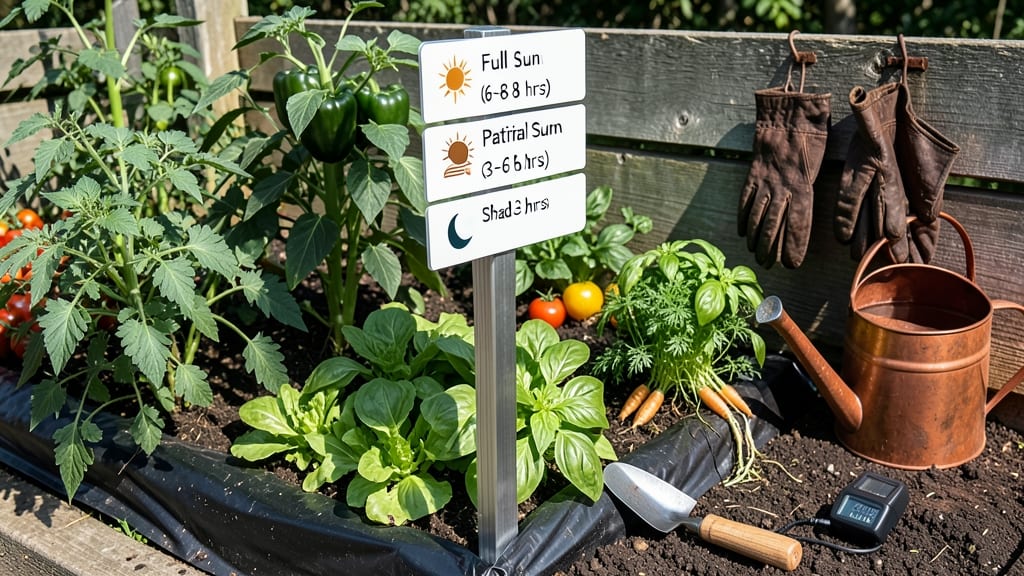
A vegetable garden needs how many hours of sun does a vegetable garden need—6 to 8 hours of direct sunlight daily 🥬—to grow strong and produce abundantly.
More than most gardeners realize, sunlight is the single most critical factor in vegetable garden success, yet most gardeners get it wrong.
Whether you're working with a sunny backyard or a shady corner, knowing the exact light needs of your crops is the difference between a thriving harvest and wasted effort.
Struggling to decide where to plant your tomatoes—or why your lettuce keeps bolting? Sunlight is the single most critical factor in vegetable garden success, yet most gardeners get it wrong.
Some vegetables, like peppers and cucumbers, demand full sun (6+ hours) to set fruit, while others, such as leafy greens, tolerate partial shade (3-6 hours). The key is matching your garden’s sunlight map to the right plants—and learning how to stretch limited light when needed.
In this guide, I’ll break down the sunlight requirements for your favorite crops, show you how to measure sunlight in your space, and share smart tricks to maximize yield—even in less-than-ideal conditions.


Sunlight requirements for vegetables: full sun vs. partial shade explained
Understanding sunlight requirements for your vegetables is the first step to a thriving garden.
Most gardeners assume "full sun" means any sunny spot, but the truth is more nuanced. Tomatoes, peppers, and cucumbers need at least 6-8 hours of direct sunlight daily, while others like lettuce or spinach can handle just 3-4 hours.
Misplacing these plants often leads to poor yields or stunted growth.
Plant tags often use confusing terms like "partial shade," but this can mean 3-6 hours of sun depending on the source. Morning sun is gentler than afternoon heat, so positioning matters.
For example, basil thrives with morning sun but may wilt in harsh afternoon rays. Always check the specific variety—some tomato plants tolerate partial shade better than others.
Here’s a quick breakdown of what these labels mean in real terms:
One of the biggest misconceptions is that partial shade means "some shade."
In reality, it often means 3-6 hours of direct sun, with the rest filtered or indirect. Leafy greens like kale or spinach can handle this, but placing them in deep shade will result in pale, leggy plants with poor flavor. Always prioritize morning sunlight for these crops.
If your garden has low-light spots, focus on shade-tolerant vegetables like bok choy or arugula. These thrive with just 2-3 hours of sun and are perfect for container gardens on patios or balconies. Avoid planting tomatoes or peppers here—they’ll produce small, bitter fruit or fail entirely.
Another common mistake is assuming afternoon sun is as good as morning sun. While both provide light, afternoon rays are often hotter and more intense, which can scorch leaves or stress plants.
For heat-sensitive crops like basil or cucumbers, morning sun is ideal, while root vegetables like carrots can handle more afternoon exposure.
To maximize your garden’s potential, group plants with similar sunlight needs together. Place full-sun lovers like tomatoes and peppers in the southernmost part of your plot, where they’ll get the most light. Use taller plants as natural shade for shade-tolerant crops like lettuce or radishes planted nearby.
Pro tip: Use a sunlight tracker for a week to map your garden’s light exposure. Place a white board in different spots and mark the hours it’s in direct sun.
This simple trick helps you design the perfect layout for your space. Even a small adjustment—like moving a tomato plant a few feet—can make a huge difference in yield.
Remember, sunlight is non-negotiable for most vegetables. If your garden lacks full sun, consider container gardening with compact varieties or vertical growing to maximize light exposure. With the right placement, even a shady corner can produce a bountiful harvest of leafy greens and herbs.
Start by assessing your garden’s light conditions and match your plants accordingly. Your tomatoes will thank you with juicy, flavorful fruit, and your lettuce won’t bolt into bitter stems. Happy gardening! 🌱☀️
How to measure sunlight in your garden and adjust plant placement
Measuring sunlight in your garden isn't just about guessing—it's the key to placing tomatoes, peppers, and other sun-loving plants where they'll thrive. Start by observing your space for at least 2 weeks to account for seasonal changes.
Morning sun behaves differently than afternoon sun, so track both. For example, a north-facing area might get only 2 hours of sun all day, while a south-facing spot could receive 8+ hours during peak summer months.
Use a simple DIY sunlight tracker like a white board or chalkboard to mark sun exposure times. Place it in different garden spots and note when shadows fall across it. This helps identify microclimates—small areas with unique light conditions.
For instance, a tall fence might cast a shadow that creates a partial shade zone perfect for leafy greens like lettuce or spinach.
4-6 hours of sun is often labeled as "partial shade," but many vegetables (like cucumbers or zucchini) need 6+ hours to produce well. Planting them in "partial shade" spots can lead to poor yields or bitter-tasting produce. Always check seed packets for specific light requirements—they’re your best guide!
Once you’ve mapped your garden’s sunlight, group plants with similar needs together. Tall sun-lovers like tomatoes or corn should go in the sunniest spots, while shade-tolerant crops like bush beans or radishes can thrive in 3-4 hours of sun.
Use companion planting to maximize space—plant shallow-rooted greens under taller plants that cast dappled shade, like trellised cucumbers or pole beans.
Adjust your garden layout seasonally. In summer, when days are long, your full-sun plants will get more light, but in winter, even south-facing areas may see only 4-5 hours of sun.
Use seasonal adjustments like moving containers or adding temporary shade cloth for heat-sensitive crops. For example, peppers might need afternoon shade in Zone 9 to prevent sunburn.
Don’t forget to monitor your garden’s microclimates over time. A tree that was once small might now cast deep shade by midday. Reassess your garden every few years and rotate crops to prevent soil depletion.
For instance, if your tomato plants always struggled in their spot, try moving them to a sunnier location next season—you might see a 30% yield increase just by adjusting their placement.
With a little observation and planning, you can turn even tricky garden spots into productive areas. Start small, track your sunlight, and let your plants guide you—your vegetable harvests will thank you! 🌱☀️