
Light Requirements
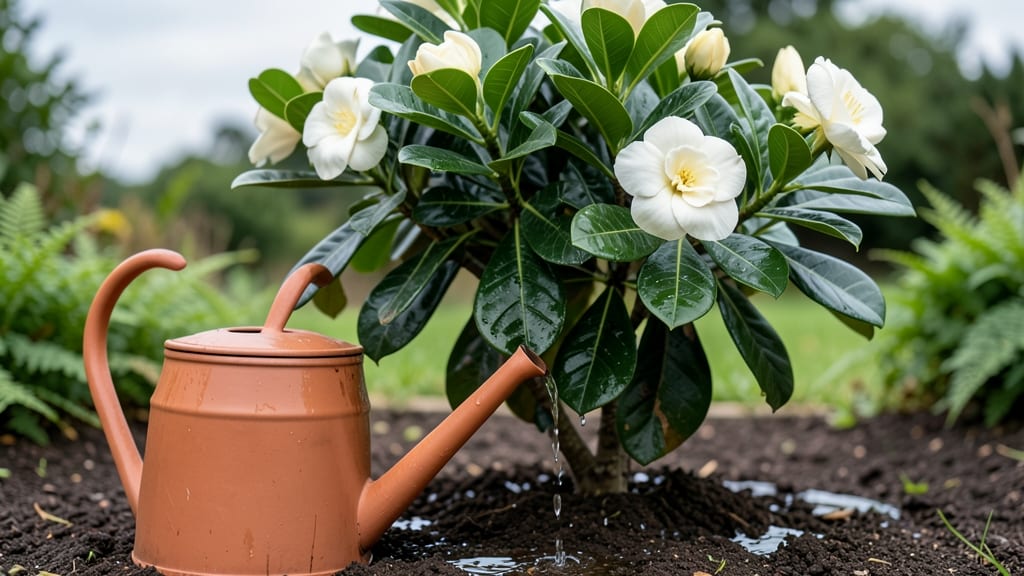
Do gardenias need a lot of water to bloom beautifully? Their watering needs are often misunderstood—overwatering or underwatering can both spell disaster for your 🌸.
Picture this: you’re diligently watering your gardenias every day, yet their leaves turn yellow and drop. Or maybe you’ve given up, thinking they’re too high-maintenance, only to watch them thrive after a few adjustments.
The truth? Gardenias crave moisture without soggy roots, and nailing that balance is the key to lush, fragrant blooms.
In this guide, I’ll break down the exact watering routine your gardenias need—how often to water, when to adjust for seasons, and how to spot the telltale signs of over- or under-watering before it’s too late.
Whether you’re a first-time gardener or a seasoned pro, these practical tips will help you keep your gardenias thriving year after year, no guesswork required.


How much water do gardenias really need (and when to adjust)
Gardenias are famous for their intoxicating fragrance and glossy leaves, but their watering needs often confuse even experienced gardeners. The truth? They don’t need a lot of water—they need consistent moisture without soggy soil.
Think of it like a spa day for your plant: deep hydration followed by a breathable environment. Overwatering is the #1 killer, while underwatering causes buds to drop like they’re playing musical chairs. Let’s break down the science so you can keep your gardenias thriving without the guesswork.
Gardenias thrive in well-draining, acidic soil (pH 5.0-6.0) that mimics their natural tropical habitat. The key is maintaining even moisture—never letting the roots dry out completely, but avoiding waterlogged conditions that suffocate roots. In-ground plants need less frequent watering than container-grown ones, which dry out faster.
Seasonal shifts also change the equation: summer demands daily checks, while winter slows everything down. The goal? A moist but not soggy root zone at all times.
Here’s the hard truth: Gardenias hate extremes. Too little water = crispy leaves and dropped buds. Too much water = root rot and fungal diseases. The sweet spot? Deep watering 2-3 times per week in summer (or daily in extreme heat) and reducing to weekly in cooler months. Use your finger to test soil moisture: if the top 1-2 inches feel dry, it’s time to water. If it’s still damp, wait another day. This simple check saves countless overwatered plants.
| Season | Watering Frequency | Soil Moisture Goal | Water Amount | Signs of Stress |
|---|---|---|---|---|
| Spring | Every 3-5 days | Top 1-2" dry | 1 gallon per plant | Wilting, bud drop |
| Summer | Every 2-3 days (daily in heat) | Top 1" dry | 1.5 gallons per plant | Yellow leaves, root rot |
| Fall | Weekly | Top 2" dry | 1 gallon per plant | Slow growth, leaf drop |
| Winter | Bi-weekly | Top 3" dry | 0.5 gallons per plant | Dormant (no stress) |
The deep-watering technique is non-negotiable for gardenias. Instead of light, frequent watering, give them a slow, thorough soak that reaches 6-8 inches deep. Use a hose with a gentle setting or a watering wand to avoid disturbing the soil.
For container plants, water until you see moisture draining from the bottom. This mimics natural rainfall and encourages deep root growth. Pro tip: Water in the early morning (before 10 AM) to reduce evaporation and fungal risks. Nighttime watering is a big no-no—it invites diseases like powdery mildew.
Signs of overwatering are often mistaken for underwatering. If your gardenia’s leaves turn yellow and mushy, or the soil smells sour, you’re drowning the roots. Pull back immediately and let the soil dry slightly between waterings.
On the flip side, underwatered gardenias show crispy edges, drooping leaves, and buds that fall off before opening. If you see these signs, water deeply and mulch to retain moisture. The fix isn’t just about adding water—it’s about adjusting your entire routine.
Seasonal adjustments are critical. In summer’s heat, gardenias may need daily watering if temperatures exceed 90°F, but always check soil moisture first. In winter’s dormancy, reduce watering to every 2 weeks unless you’re in a frost-free zone.
Rainfall also changes the game: if you’ve had 1 inch of rain, skip your scheduled watering. Use a rain gauge or your finger to track natural moisture—this is the easiest way to avoid overwatering during wet spells.
Mulching is your secret weapon for consistent moisture. Apply a 2-3 inch layer of organic mulch (like pine bark or shredded leaves) around the base of your gardenia, but keep it 2 inches away from the trunk to prevent rot.
Mulch acts like a blanket, slowing evaporation and keeping roots cool. For container plants, use moisture-retentive mixes with peat moss or coconut coir, and consider self-watering pots if you travel often. These small tweaks make a world of difference in maintaining ideal moisture levels.
Don’t fall for the myth that gardenias need constant soggy soil. They’re tropical plants, but their roots need to breathe. The golden rule is: if you’re unsure, wait another day. Overwatering is far more damaging than letting the soil dry out slightly.
With practice, you’ll develop a feel for when your gardenia is thirsty vs. just asking for attention. And remember: happy roots = happy blooms. Your fragrant shrubs will thank you with glossy leaves and abundant flowers all season long.
🌸
Common watering mistakes that kill gardenias (and how to fix them)
Gardenias love moisture, but overwatering is the #1 reason they droop or develop yellow leaves. Many gardeners assume these tropical shrubs need constant soaking, but soggy roots strangle them faster than drought.
The key? Consistent moisture without saturation. Let’s fix the 5 most deadly watering blunders before your gardenias throw in the towel.
First, check your watering schedule. Gardenias in containers dry out faster than in-ground plants—some need watering every 1-2 days in summer, while established shrubs can wait 5-7 days.
The real issue? Shallow watering that only wets the top inch of soil. This creates a drought stress cycle where roots never reach deep moisture.
⚠️ callout warning ⚠️
🚨 Gardenias HATE These 3 Watering Lies
- Myth: "More water = happier plant" → Truth: Root rot kills faster than thirst.
- Myth: "Morning watering is always best" → Truth: Evening water causes fungal blooms.
- Myth: "Let soil dry completely between waterings" → Truth: Consistent dampness (not soggy) is key.
Pro Tip: Stick your finger 2 inches deep—if it feels dry, water deeply until moisture reaches 6 inches down.
Your drainage system might be the real villain. Gardenias despise compacted or clay-heavy soil that traps water. If your shrubs sit in standing water after rain, amend the soil with perlite or sand to improve aeration.
For potted gardenias, ensure pots have drainage holes and empty saucers after watering—10% of gardenia deaths happen from ignored saucers.
Don’t ignore seasonal adjustments. Summer heat demands daily checks, but winter slows root activity—reduce watering to bi-weekly when temps drop below 50°F. A classic mistake? Watering on a schedule instead of checking soil moisture. Use a moisture meter or the finger test to avoid guesswork.
Yellowing leaves often signal overwatering or nutrient leaching. If new growth looks pale, flush the soil with 2 gallons of water to push out excess salts. For wilting despite wet soil, the roots may be suffocating.
Gently loosen compacted soil around the base to restore airflow. Mulch with pine bark (2-3 inches) to retain moisture while preventing root rot.
Fix these mistakes today, and your gardenias will reward you with glossy leaves and fragrant blooms all season. Start with a soil test—if pH is above 6.0, amend with sulfur to match their acid-loving roots.
Pair that with morning watering and deep soaks, and you’ll break the wilting cycle for good. 🌸