
Light Requirements
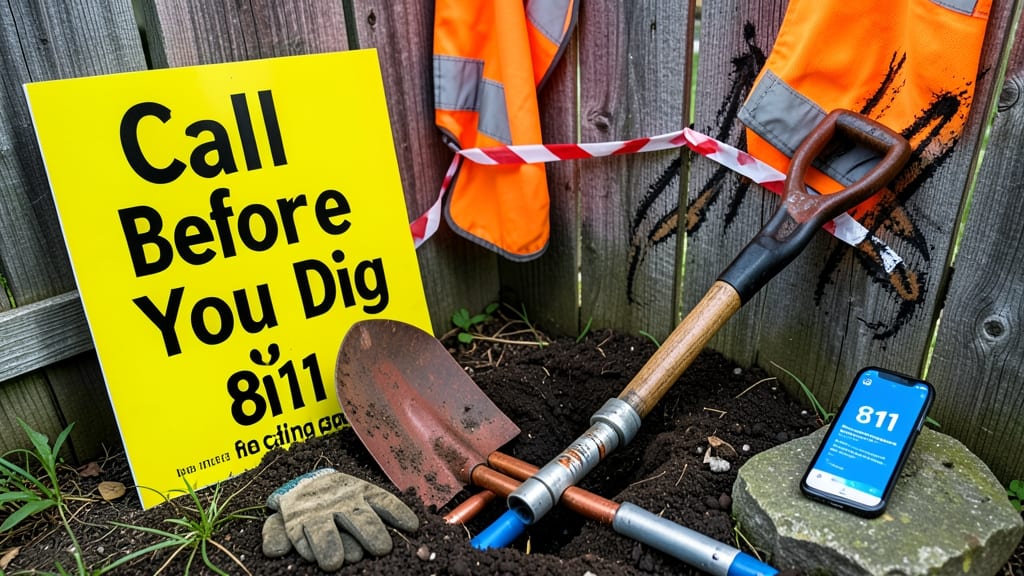
You need to call 811 for a garden before digging in most U.S. states to locate underground utilities like gas, water, and electrical lines, preventing costly accidents and ensuring safety during landscaping or planting projects. Always verify state-specific rules before starting work.
This requirement stems from the federal Safe Digging Law, which mandates homeowners and contractors to notify utility companies at least 48 hours before digging—though some states enforce stricter timelines or penalties. 🔥 For example, California requires same-day notification for emergency projects, while Texas imposes fines up to $5,000 for violations.
Even shallow planting can risk striking lines buried just 12–18 inches deep, so always wait for marked utility locations before breaking ground.
Once you’ve called 811, utility companies will send a certified professional to mark your property with spray paint or flags within 2–3 business days. These markers indicate where pipes, cables, or wires lie, but they’re not always visible—especially in overgrown areas.
I recommend using a garden tiller with depth control (set to 10–12 inches max) and avoiding hand tools like shovels in unmarked zones. Pro tip: Check your state’s 811 center website for deadlines and local utility contacts.
💡 In This Article
- State-Specific 811 Digging Laws for Gardening Projects
- How to Safely Plan a Garden Without Hitting Underground Utilities
State-specific 811 digging laws for gardening projects
The federal Safe Digging Law (49 CFR Part 63) requires all homeowners and contractors to notify utility companies before digging, but enforcement and penalties vary dramatically by state. 🔥 This law was created after a 1998 study revealed 1 in 4 Americans risked hitting underground lines during home projects—often with devastating consequences like gas leaks, electrocutions, or water main ruptures.
While the federal standard sets a 48-hour notice window, states like California and New York enforce same-day notification for emergency projects, including urgent garden repairs after storms.
Penalties for skipping the 811 call can be severe.
Texas, for example, imposes fines up to $5,000 per violation, while Florida holds property owners fully liable for damages caused by unauthorized digging—even if the utility company failed to mark lines correctly. 💛 Some states, like Ohio, require written proof of notification (e.g., email or ticket number) before breaking ground.
The key difference lies in how states interpret "digging": while most focus on excavation deeper than 12 inches, states like Massachusetts include any ground disturbance that could expose utilities, meaning even shallow planting near marked lines may trigger requirements.
What most gardeners overlook is the utility location process itself. After you call 811, certified professionals use GPS-guided equipment to map lines, but accuracy depends on database updates—some records are 20+ years old.
In urban areas, lines may shift during repairs, so always verify marks with utility companies before digging. For example, electric cables are typically buried 18–24 inches deep, while water lines can range from 12–48 inches—far deeper than most gardeners realize.
Here’s how deadlines break down by region:
- Northeast (NY, NJ, PA): 48-hour notice required; some towns mandate 72 hours for commercial projects.
- Midwest (OH, IL, MI): Same-day notification allowed for emergencies; fines start at $1,000 for non-compliance.
- South (TX, FL, GA): Strict liability laws; property owners must prove they called 811 to avoid penalties.
- West (CA, WA, CO): 24–48 hour notice; some counties require pre-approval for high-risk areas.
The most critical factor is understanding your state’s utility marking timeline. Most companies complete markings within 2–3 business days, but delays can happen—especially in rural areas where access is limited.
Always confirm the exact time utilities will arrive and avoid digging until you see spray-painted lines or colored flags on your property. Pro tip: Take photos of marked lines and store them with your project records—this serves as proof you followed protocol if issues arise later. ✨
Beyond legal risks, the human cost is staggering. Between 2018–2023, 1 in 5 utility strikes resulted in injuries or fatalities, per the Common Ground Alliance. A single mistake—like using a shovel near a gas line—can release hundreds of cubic feet of methane in seconds, creating explosive hazards.
The moral? When in doubt, call 811. The $20–$50 fee for the service pales compared to the $10,000+ average repair cost for a struck line. 💫