
Planting
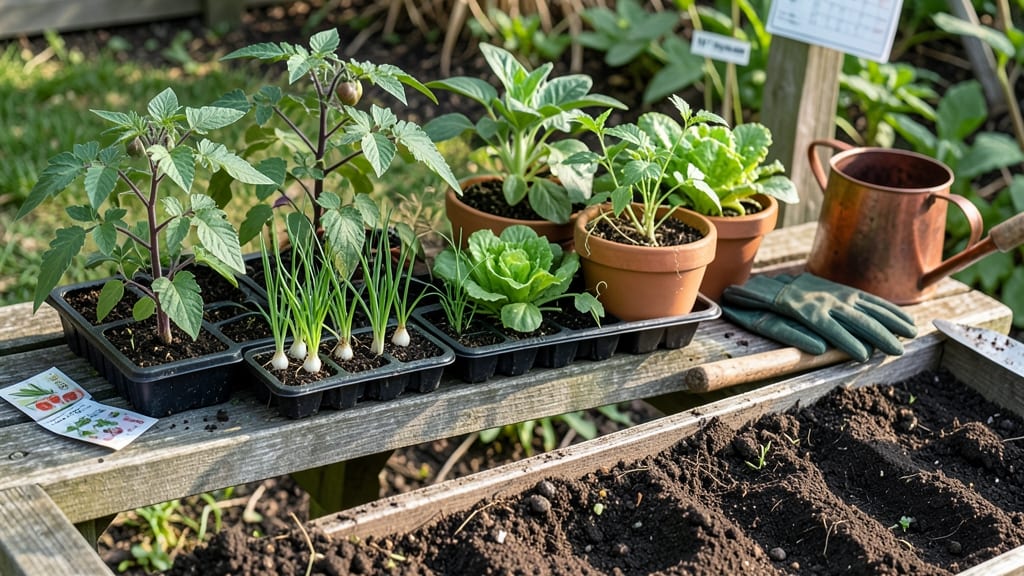
Planting a vegetable garden in New York at the right time means the difference between a harvest of juicy tomatoes and wilted disappointment—and the clock starts ticking with your last frost date.
Timing is everything in gardening—plant your New York 🥬 too early, and frost will wipe out your crops; too late, and you’ll miss peak harvests. Mastering the perfect planting window ensures bountiful yields from tomatoes to zucchini, no matter if you’re in the Bronx or the Hudson Valley.
New York’s diverse climate zones—from 5b in the Adirondacks to 7a on Long Island—mean your neighbors might be planting weeks before or after you. That’s why knowing your exact last frost date (anywhere from mid-April in NYC to early May upstate) is the first step to a thriving garden.
Below, I’ll walk you through the best months for every crop, how to stretch your season with row covers, and the one mistake that ruins even the most carefully planned planting schedule.
New York planting zones & frost dates: your seasonal roadmap
New York’s diverse climate—from the Bronx’s urban heat islands to the Hudson Valley’s cooler hills—means your planting timeline depends heavily on your USDA zone and last frost date.
Most of the state falls within zones 5b-7a, but even small shifts in elevation or proximity to water can change your planting window by weeks. Understanding these nuances is key to avoiding frost damage or missed harvests.
For example, NYC (Zone 7a) typically sees its last frost around April 15, while Buffalo (Zone 6b) holds off until May 10. Upstate regions like the Adirondacks (Zone 4b) face even later dates, pushing some gardeners to start seeds indoors as early as March.
These differences dictate whether you can plant spinach in March or must wait until May for tomatoes.
Here’s how to use these dates: Cool-season crops like kale, peas, and lettuce thrive when planted 4-6 weeks before your last frost, while warm-season favorites such as peppers, eggplants, and basil need to wait until 2-3 weeks after the last frost.
Misjudging these windows can mean the difference between a bountiful harvest and a wasted seed packet.
Your last frost date isn’t just about when to plant—it’s also your cue to start fall planting.
For example, in Zone 7a (NYC), you can still direct-sow spinach and radishes until September 1, while kale and broccoli can handle light frosts and thrive when planted by August 15.
Upstate gardeners in Zone 6b should shift gears earlier, with fall crops in the ground by July 15 to mature before frost.
Pro tip: Use row covers or cold frames to extend your growing season by 2-4 weeks. I’ve seen gardeners in Zone 6a push their tomato harvests into October using these tools.
Just remember—frost-sensitive plants like peppers and cucumbers still need to be started early enough to reach maturity before the first frost.
For 2024 planning, mark your calendar with these key deadlines: - March-April: Start cool-season seeds indoors (e.g., broccoli, cabbage). - April-May: Direct-sow hardy greens (e.g., spinach, peas) outdoors. - May-June: Transplant tomatoes, peppers, and herbs after last frost. - July-August: Begin fall succession planting for carrots, beets, and lettuce.
One common mistake I see is overestimating warm-season crops. Even in Zone 7a, eggplants and sweet potatoes often struggle to mature if planted after June 1. Always check your days to maturity and count backward from your first frost date.
For example, a 90-day tomato needs to be in the ground by July 15 in Zone 6b to avoid frost.
Microclimates add another layer of complexity. A south-facing wall can warm your garden by 5-10°F, letting you plant warm-season crops 1-2 weeks
Best vegetables to plant in New York by month: a month-by-month guide
New York gardeners have a short but sweet growing season, so knowing exactly when to plant each vegetable is key to avoiding frost damage or missed harvests. The right timing ensures you get continuous yields from leafy greens in spring to tomatoes in summer and fall.
Below, I’ve mapped out the best months for 12 essential vegetables, including succession planting tips to keep your kitchen stocked all season.
For example, spinach thrives in cool spring soil, while peppers need warmth—planting them too early in May can stall growth. And don’t forget fall crops like kale, which tastes sweeter after a light frost!
Whether you’re in Zone 5b (Adirondacks) or Zone 7a (Long Island), these guidelines adapt to New York’s varied climate.
📅 Month-by-Month Planting Guide for New York Vegetables
- March: Spinach and peas (direct sow 4-6 weeks before last frost). Onions and garlic can also start indoors.
- April: Lettuce, kale, and radishes (cool-season crops). Potatoes can be planted as soon as soil is workable.
- May: Broccoli, cauliflower, and cabbage (transplant after last frost). Bush beans can go in late May for summer harvests.
- June: Tomatoes ('Early Girl' or 'Black Krim'), peppers, and eggplant (plant after soil reaches 60°F).
- July: Succession plant lettuce and spinach for fall harvests. Cucumbers and zucchini thrive in warm July soil.
- August: Plant fall crops like kale, carrots, and beets for late-season harvests. Garlic can be planted in late August for next year.
- September: Extend the season with cold-hardy greens like spinach and radishes. Brussels sprouts can handle light frosts.
- October: Harvest remaining crops before first frost. Cover tender plants with row covers to protect them for a few more weeks.
One of my favorite tricks is succession planting for leafy greens like lettuce and spinach. By sowing new seeds every 2-3 weeks in spring and again in late summer, you’ll have fresh harvests all season.
For example, plant radishes every 10 days—they mature in just 30 days, giving you quick rewards!
For warm-season crops like tomatoes and peppers, timing is critical. Plant them 2-3 weeks after your last frost date (usually mid-May in NYC, early June upstate). Varieties like 'Early Girl' tomatoes and 'Jalapeño M' peppers are perfect for New York’s shorter season—they mature faster than heirlooms.
Don’t overlook fall planting! Crops like kale and carrots actually sweeten after frost, making late-season harvests some of the best. Just plant them by mid-August to give them time to mature before winter sets in.
If you’re in Zone 5b (like the Adirondacks), start your cool-season crops a week earlier than those in Zone 7a (Long Island). And always check your local last frost date—it can vary by 1-2 weeks even within the same region!
With this schedule, you’ll avoid the common mistake of planting frost-sensitive crops too early or missing the window for fall harvests. Happy planting—your future salads and sauces will thank you! 🌱