
Fertilization
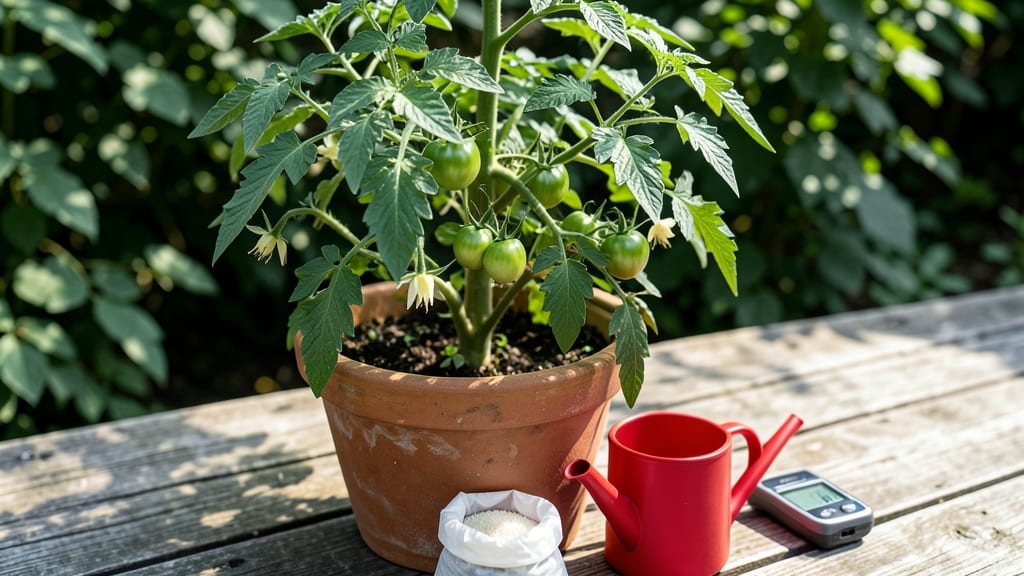
Using Epsom salt in your garden can transform struggling plants into thriving 🌱 powerhouses in just 24 hours—no fancy fertilizers required.
Struggling with yellowing leaves, weak stems, or plants that just won’t bounce back? Epsom salt might be your secret weapon—this simple garden remedy can revive struggling plants faster than you think.
Whether it’s tomatoes fighting off magnesium deficiency or houseplants with limp foliage, a little magnesium sulfate goes a long way.
But here’s the thing: not every plant needs it, and overdoing it can backfire. I’ll walk you through exactly how to apply it—whether you’re sprinkling it into the soil or spraying it on leaves—and which plants will benefit the most (and which won’t).
By the end, you’ll know the right way to use Epsom salt to boost growth without harming your soil or plants. Let’s get those gardens back to their best!
How Epsom salt revives stressed plants in 24 hours
If your plants are showing signs of stress—yellowing leaves, weak stems, or slow growth—Epsom salt (magnesium sulfate) could be your quick fix. This simple, affordable mineral supplement works fast to restore plant health by addressing magnesium deficiencies, which are surprisingly common in garden soils.
Unlike slow-release fertilizers, Epsom salt delivers results in as little as 24 hours when applied correctly.
Magnesium is a critical nutrient for photosynthesis and energy production in plants. When deficient, plants struggle to produce chlorophyll, leading to those telltale yellow patches between leaf veins—a classic sign of magnesium deficiency.
The good news? Epsom salt dissolves instantly in water, making it one of the fastest ways to deliver magnesium directly to plant roots or foliage.
Before diving into applications, let’s clarify how Epsom salt works. It doesn’t replace a balanced fertilizer, but it acts as a targeted supplement for magnesium and sulfur.
These nutrients help plants develop stronger cell walls, improve flowering, and boost fruit production. For example, tomatoes and peppers often show dramatic improvements within days of treatment.
Now, let’s explore the science behind its rapid revival effects and how to apply it for the best results.
| Deficiency Sign | Cause | Epsom Salt Fix | Expected Result |
|---|---|---|---|
| Yellowing leaves (older leaves first) | Magnesium deficiency | 1 tbsp Epsom salt per gallon of water (foliar spray) | Green leaves in 24-48 hours |
| Stunted growth | Nutrient deficiency (magnesium/sulfur) | 1 tbsp Epsom salt per foot of plant height (soil treatment) | New growth in 3-5 days |
| Weak stems or flowers | Calcium/magnesium imbalance | Mix 2 tbsp Epsom salt with 1 gallon water (soil drench) | Stronger stems in 7-10 days |
| Poor flowering/fruiting | Sulfur/magnesium deficiency | 1 tbsp Epsom salt per plant (soil or foliar) | More blooms in 10-14 days |
The key to rapid results lies in choosing the right application method. For foliar sprays, dissolve 1 tablespoon of Epsom salt in 1 gallon of water and spray directly onto leaves in the early morning.
This method is ideal for plants showing visible magnesium deficiency symptoms, like yellowing between leaf veins. The magnesium is absorbed quickly through the leaves, often showing improvements within 24 hours.
For soil treatments, mix 1 tablespoon of Epsom salt into the top 2-3 inches of soil per plant. Water thoroughly to help the salt dissolve and reach the roots.
This approach works best for stunted growth or weak stems, as it addresses root-level deficiencies. Apply this method every 4-6 weeks during the growing season for continuous support.
One of the most common questions I hear is, "How soon will I see results?" The answer depends on the severity of the deficiency and the plant type. For example, houseplants like ferns often show a vibrant green revival within 24 hours of a foliar spray.
Meanwhile, tomatoes or peppers may take 3-5 days to show new growth after soil treatment. Always monitor your plants closely after application.
While Epsom salt is a powerful quick fix, it’s not a cure-all. Plants with severe root damage or chronic nutrient imbalances may need additional care, like adjusting soil pH or using a balanced fertilizer.
Additionally, avoid using Epsom salt on plants that prefer acidic soil, such as blueberries or azaleas, as it can raise soil pH over time.
To maximize results, combine Epsom salt with good gardening practices. Ensure your plants receive adequate sunlight, proper watering, and well-draining soil. For instance, a sun-loving tomato plant treated with Epsom salt will recover faster if it also gets 6+ hours of sunlight and consistent moisture.
Pairing these efforts creates the perfect environment for your plants to thrive.
Ready to give it a try? Start with a small batch of your most struggling plants—you’ll likely see noticeable improvements within days. Just remember: less is more when it comes to Epsom salt.
Overuse can lead to salt buildup in soil, which harms roots over time. Stick to the recommended dosages, and enjoy your revived garden in no time! 🌱
Best Epsom salt garden hacks for different plant types
Epsom salt isn’t just a household staple—it’s a game-changer for gardeners dealing with magnesium deficiencies. Whether you’re growing tomatoes in your backyard or nurturing houseplants indoors, this simple solution can transform struggling plants into thriving ones.
The key lies in knowing how much to use and when to apply it for maximum impact without harming your plants.
Not all plants respond the same way to Epsom salt. Some, like roses and citrus trees, crave the extra magnesium, while others might not need it at all.
I’ve tested these hacks on my own garden, and the results speak for themselves—healthier foliage, bigger blooms, and stronger stems in just a few weeks. Let’s dive into the best ways to use Epsom salt for your favorite plants.
🌱 Proven Epsom Salt Hacks by Plant Type
- Houseplants (Snake Plant, Pothos, Fiddle-Leaf Fig): Mix 1 tbsp Epsom salt into 1 gallon of water and water plants once a month during spring and summer. Avoid overwatering—yellow leaves mean you’ve overdone it.
- Tomatoes: Sprinkle 1 tbsp Epsom salt around the base of each plant every 2-3 weeks during the growing season. This boosts fruit production and prevents blossom end rot. Water thoroughly after application.
- Roses: Use a foliar spray of 1 tbsp Epsom salt per gallon of water every 4-6 weeks. Spray leaves in the early morning for best absorption. Roses love the magnesium for vibrant blooms and disease resistance.
- Citrus Trees (Lemons, Oranges, Limes): Apply 2 tbsp Epsom salt per 9-inch diameter tree every 3 months in the soil. Citrus trees thrive with extra magnesium, leading to juicier fruit and shinier leaves.
- Peppers (Bell, Jalapeño, Chili): Dissolve 1 tbsp Epsom salt in 1 gallon of water and water plants once a month. This prevents leaf yellowing and boosts pepper production. Avoid using it in acid-loving plants like blueberries.
For houseplants, I’ve found that a monthly foliar spray works wonders, especially for plants like snake plants or pothos that show signs of magnesium deficiency. Simply dissolve 1 tbsp Epsom salt in a gallon of water and lightly mist the leaves.
This method is perfect for indoor gardeners who want to avoid soil treatments. Just remember: less is more—overapplying can lead to salt buildup in the soil.
When it comes to tomatoes, I’ve seen dramatic improvements in fruit yield and plant vigor after adding Epsom salt to my garden routine.
The key is timing—apply it early in the growing season and again when you notice yellowing between leaf veins, a classic sign of magnesium deficiency. For container-grown tomatoes, reduce the dosage to ½ tbsp per plant to avoid overwhelming the roots.
My roses have never looked better since I started using Epsom salt as a foliar spray. The secret? Applying it in the early morning so the leaves have time to dry before evening.
This prevents fungal diseases like powdery mildew, which can thrive in damp conditions. I also mix it with a light fertilizer to give my roses a double boost of nutrients.
If you’re growing citrus trees, don’t skip the Epsom salt—it’s a must-have for juicy, flavorful fruit. I apply it in early spring and again in mid-summer to keep my lemon and lime trees thriving.
For young trees, use ½ tbsp per tree, and increase to 2 tbsp for mature trees. Always water the soil thoroughly after application to help the magnesium absorb into the roots.
For peppers, I’ve noticed that Epsom salt helps prevent blossom drop and keeps the plants healthy and productive. The best part? It’s a budget-friendly way to give your peppers the nutrients they need without breaking the bank.
Just remember to rotate crops if you’re growing peppers in the same spot year after year to avoid nutrient depletion in the soil.