
Planting
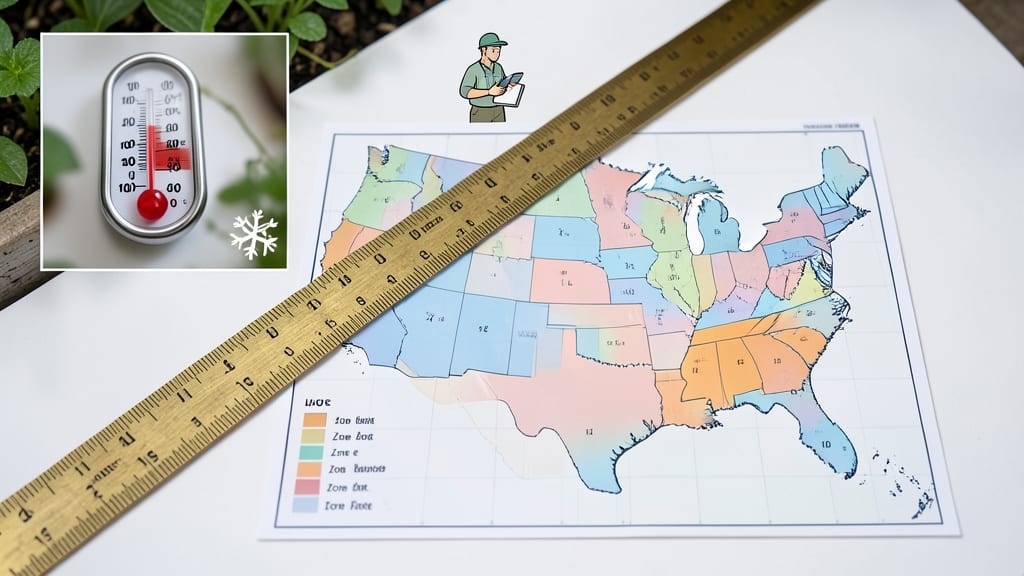
Finding your gardening zone means using the USDA Plant Hardiness Zone Map with your ZIP code to uncover your exact zone (like 6a or 9b), which reveals frost patterns and the best plants for your area. This knowledge is key to timing your planting and harvest seasons perfectly throughout the year.
Your gardening zone isn't just a number—it's a climate blueprint that predicts when to plant and which plants will thrive in your area. 🌱 The USDA map divides the U.S. into 13 zones based on average winter lows, but local factors like elevation or urban heat can shift your microclimate by a full zone.
For example, a backyard in zone 7b might still get occasional frost in sheltered spots, while a nearby hilltop could behave like zone 6a. I always double-check with my local extension office, as their data accounts for these nuances that the national map might miss.
Once you know your zone, you can align your planting calendar with frost dates—critical for tender annuals like tomatoes or peppers. Many gardeners also use this info to select perennials that match their region's hardiness.
Pro tip: The 2024 map updates reflect warming trends, so zones have shifted northward in many areas. Checking the interactive map lets you zoom in to see how your specific neighborhood compares to surrounding areas.
💡 In This Article
- How USDA Plant Hardiness Zones Determine Your Garden’s Climate
- Best Tools for Locating Your Gardening Zone and Planting Deadlines
How USDA plant hardiness zones determine your garden’s climate
The USDA Plant Hardiness Zone system organizes the country into 13 zones (1-13) based on the average annual minimum temperature—the coldest temperature expected to occur in any given area over a 20-year period. Each zone is further divided into 'a' and 'b' subzones, representing a 5°F difference.
For example, zone 7a has average lows of -10°F to -5°F, while 7b ranges from -5°F to 0°F. This system helps gardeners predict which plants will survive winter's harshest conditions in their specific location.
What makes this system so powerful is how it correlates with plant survival rates. Most plants have a minimum hardiness temperature they can tolerate—like 30°F for sweet potatoes or 15°F for roses.
If your zone's average minimum is colder than a plant's tolerance, it likely won't survive winter without protection.
The USDA map also indirectly indicates frost-free periods: warmer zones (like 9a-11) have longer growing seasons, while colder zones (like 3-5) face shorter windows for warm-season crops. 🌡️ For instance, zone 5 (average lows of -20°F to -15°F) typically has 120-150 frost-free days, while zone 9 (20°F to 30°F) enjoys 240-300 days.
The 2024 zone map reflects recent climate shifts, with many areas moving into warmer zones due to rising temperatures. For example, parts of the Midwest that were once zone 5b (-15°F to -10°F) are now classified as 6a (-10°F to -5°F).
This shift means gardeners in these areas can now grow plants previously deemed too tender, like fig trees or olive varieties, which thrive in zones 8-10.
However, the map doesn’t account for local microclimates—like urban heat islands or sheltered valleys—that can create pockets of warmer or colder conditions within the same zone.
To use this information practically, compare your zone to a plant’s hardiness range. If you’re in zone 6b (-5°F to 0°F) and want to grow hydrangeas (hardy to zone 3), you’re safe.
But if you’re tempted by citrus trees (zone 9-11), you’ll need to grow them in containers and bring them indoors during winter. The key is matching your zone’s coldest temperatures to the plant’s survival threshold—this ensures your garden thrives year-round without constant babying.
Another critical factor is how zones influence planting deadlines. In colder zones (like 3-4), you might start warm-season crops like tomatoes or peppers indoors 8-10 weeks before the last frost, while gardeners in zone 9 can direct-sow them as early as February.
The USDA map doesn’t provide frost dates directly, but it helps estimate them by showing the length of the growing season. For precise timing, cross-reference your zone with local frost data from sources like the National Oceanic and Atmospheric Administration (NOAA).
One common mistake is assuming your entire yard falls into a single zone. Microclimates—created by factors like slope, water bodies, or building materials—can shift temperatures by 5°F or more.
A south-facing wall might create a zone 8 microclimate in an otherwise zone 6 area, allowing you to grow tender plants like geraniums or bougainvillea in pots. Conversely, low-lying areas can trap cold air, mimicking a colder zone.
Always observe your garden’s unique conditions over a few years to refine your planting strategy.
Finally, remember that the USDA map is a starting point. For the most accurate advice, consult your local cooperative extension service, which provides hyper-local data tailored to your county’s specific climate patterns.
They often adjust for regional quirks—like early spring frosts in the Midwest or late autumn warmth in coastal areas—that the national map can’t capture. 🌿 This layered approach ensures your garden thrives, whether you're a beginner or a seasoned green thumb.