
Advice
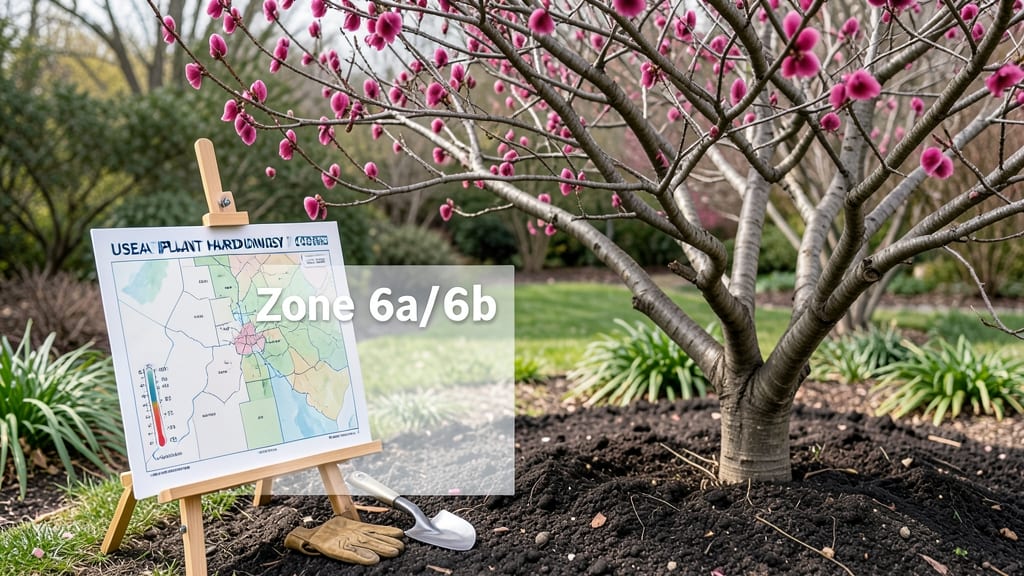
Cincinnati, Ohio, falls in USDA Hardiness Zones 6a and 6b, which means your garden’s success depends on timing plants with the city’s last spring frost (around April 15) and first fall frost (mid-October).
If you’re planning your Cincinnati garden but unsure whether to plant tomatoes in spring or wait until summer, knowing your USDA gardening zone is the first step to success.
The city’s climate—with its hot summers and cold winters—can make all the difference in what thrives (and what fails) in your yard.
Why does this matter? Zone 6a/6b determines which General Plants 🌱 survive Cincinnati’s winters, like cold-hardy kale or garlic, and which need to be tucked in by frost, like basil or peppers.
Microclimates—like urban heat islands or river valleys—can even shift your planting schedule by weeks, so your exact zone matters more than you’d think.
Below, I’ll break down how to use your zone for smarter planting, from frost dates to the best crops for Cincinnati’s short growing season. You’ll also find tips to adjust for microclimates and avoid common mistakes that waste time and money.
Cincinnati Ohio gardening Zone: official USDA Zone lookup & microclimate factors
Cincinnati sits squarely in the USDA Hardiness Zones 6a and 6b, meaning average minimum winter temperatures range from -10°F to 0°F (-23°C to -18°C). This classification helps determine which plants can survive Cincinnati's cold winters while thriving in its hot summers.
Knowing your exact zone ensures you plant tomatoes, peppers, and eggplants at the right time to avoid frost damage.
Most of the city falls into Zone 6b, but elevations and urban heat islands create microclimates that can shift your planting schedule by 2-3 weeks. For example, areas near the Ohio River or downtown may experience slightly warmer microclimates, while hillside gardens might face earlier frosts.
Always verify your specific zone using the USDA Plant Hardiness Zone Map or local weather data.
Why your zone matters: Zone 6a/6b means you can grow cold-hardy perennials like lavender and Russian sage, but frost-sensitive crops like eggplants and basil need to be planted after the last average frost date (April 15). A miscalculation could mean losing your entire crop to a surprise late frost.
How to find your exact zone: Use the USDA Interactive Zone Map (https://planthardiness.ars.usda.gov) and zoom in on your street address. For Cincinnati, enter your ZIP code (e.g., 45202 for downtown) and note any adjustments for elevation or urban heat. Local nurseries like Cincinnati Garden Center also provide zone-specific planting guides tailored to your neighborhood.
Microclimates in Cincinnati: Urban areas like Over-the-Rhine can be 5-10°F warmer than rural areas due to heat islands, while river valleys may stay cooler. If you live near Eden Park or the Ohio River, expect a 1-2 week later frost than higher elevations. Adjust your planting schedule accordingly—peppers and tomatoes planted too early in these areas risk frost damage.
Key frost dates for Cincinnati:
- Last frost: April 15 (Zone 6a) or April 22 (Zone 6b)
- First frost: October 15 (Zone 6a) or October 22 (Zone 6b)
- Frost-free days: 165-180 days
| Factor | Cincinnati Details | Garden Impact |
|---|---|---|
| Primary USDA Zone | 6a (avg. min -10°F) / 6b (avg. min 0°F) | Determines cold-hardy perennials and winter survival |
| Last Frost Date | April 15 (Zone 6a) / April 22 (Zone 6b) | Critical for planting tomatoes, peppers, and eggplants |
| First Frost Date | October 15 (Zone 6a) / October 22 (Zone 6b) | Guides when to harvest or protect tender plants |
| Urban Heat Islands | Downtown: +5-10°F warmer than rural areas | Extend growing season by 1-2 weeks for heat-tolerant crops |
| River Valley Microclimates | Ohio River areas: Cooler by 2-5°F | Plant frost-sensitive crops 7-10 days later |
| Elevation Adjustments | Every 1,000 ft ↑ = 1 zone colder | Hillside gardens may need Zone 6a adjustments |
Adjusting for microclimates: If your garden sits in a sunny, paved area, plant heat-loving crops like okra and sweet potatoes 10-14 days earlier. Conversely, shady or windy spots may require Zone 5 plants like hardy kiwi or serviceberry. Use row covers to protect seedlings if early frosts threaten—this extends your planting window by 2-3 weeks.
Pro tip for Cincinnati gardeners: Track your local frost dates for 3 years to refine your schedule. The National Weather Service Cincinnati provides historical data, or use a minimum-maximum thermometer in your garden to log temperatures. For example, if your yard hits 28°F in late April, delay planting tomatoes until May 1.
For frost-sensitive crops, consider container gardening on patios or balconies. You can move pots indoors or to sheltered areas during cold snaps, giving you 30-45 extra frost-free days. This works especially well for eggplants and peppers, which struggle in Cincinnati’s short growing season.
Now that you know your zone, plan your Cincinnati garden with confidence! Start with cold-hardy crops like spinach and peas in early spring, then transition to tomatoes and peppers after the last frost. Use your microclimate knowledge to fine-tune planting
Best plants for Cincinnati’s USDA Zone 6a/6b: a seasonal planting guide
Cincinnati’s USDA Zone 6a/6b climate offers a perfect balance for growing everything from heat-loving tomatoes to cold-hardy kale. The key is timing—planting too early risks frost damage, while waiting too long can shorten your harvest.
My garden thrives when I align my planting schedule with Cincinnati’s 165 frost-free days, typically from mid-April to mid-October.
For spring planting, focus on cool-season crops like peas, lettuce, and spinach, which can handle light frosts. In summer, swap them for tomatoes, peppers, and basil that crave warmth. Fall brings another opportunity with broccoli, carrots, and garlic, which overwinter beautifully in Zone 6’s mild winters.
🌱 Top Plants by Season for Cincinnati’s Zone 6a/6b
- Spring (March-April): Peas, spinach, kale, onions – Plant after last frost (avg. April 15).
- Summer (May-July): Tomatoes, peppers, basil, cucumbers – Needs full sun (6+ hours) and consistent watering.
- Fall (August-October): Broccoli, carrots, garlic, Brussels sprouts – Sow 6-8 weeks before first frost (avg. October 15).
- Winter (December-February): Garlic, hardy kale, winter wheat – Overwinters with mulch protection.
💡 Pro Tip: Use row covers to extend spring/fall seasons by 2-3 weeks.
Don’t overlook perennials like coneflowers, black-eyed Susans, and daylilies, which return year after year with minimal care. These drought-tolerant plants thrive in Cincinnati’s hot, humid summers and add color without extra effort. For vegetables, succession planting every 2 weeks ensures a continuous harvest of lettuce, radishes, and beans.
Herbs like thyme, oregano, and rosemary are low-maintenance and perfect for container gardening if space is limited. Place them in south-facing spots to maximize sunlight. Mulching with straw or wood chips helps retain moisture during summer’s 90°F+ heat waves, while compost tea boosts soil fertility naturally.
For winter interest, plant winter jasmine or hellebores, which bloom early and attract pollinators. Even in Zone 6’s 20°F winters, these evergreen perennials provide structure and color. Pair them with ornamental grasses like Miscanthus for texture and movement in the garden.
Remember: Cincinnati’s microclimates (urban heat islands vs. river valleys) can shift planting windows by 1-2 weeks. Check your local last frost date using the Old Farmer’s Almanac or NOAA’s frost maps for precision. With the right plants and timing, your Zone 6a/6b garden can be productive year-round! 🌿