
Planting
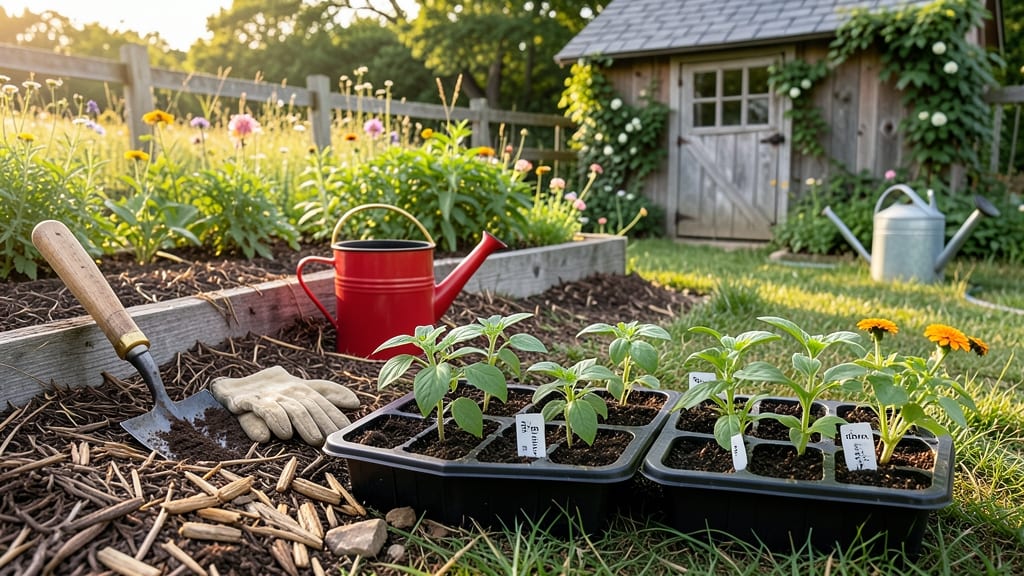
Planting a garden in Kentucky at the right time means the difference between a lush harvest and a frost-killed disappointment—so timing your spring planting to match your local frost dates is everything.
If you’ve ever rushed seedlings into the ground only to watch them wilt under a late frost, you know how quickly things can go wrong. Kentucky’s climate—with its USDA Zones 5a to 7a—demands precision, especially when warm-season crops like tomatoes and peppers are on the line.
Below, I break down the exact frost-free windows for your zone, when to prep soil for cool-weather crops, and how to adjust for Kentucky’s unpredictable weather swings. No more guessing—just actionable deadlines.
You’ll learn how to plant for maximum yield, avoid common pitfalls, and even squeeze in a fall garden before the first frost hits. Let’s get your Kentucky garden growing like a pro.
Kentucky planting zones & frost-free dates by region (2024 guide)
Kentucky spans USDA Hardiness Zones 5a-7a, meaning your planting timeline depends heavily on whether you're in the cooler Western Kentucky mountains or the milder Bluegrass Region. These zones dictate when to plant cool-season crops like lettuce and when to wait for warm-season favorites such as tomatoes.
Understanding your exact last frost date (spring) and first frost date (fall) is the key to avoiding frost damage and maximizing your harvest.
For most of Kentucky, the average last frost date falls between mid-March and early May, while the first frost arrives between mid-October and early November. However, microclimates—like the warmer Louisville area or the cooler Appalachian foothills—can shift these dates by 2-3 weeks.
Always check local weather reports for the most accurate 10-day forecasts before planting heat-sensitive crops.
Here’s a region-by-region breakdown of Kentucky’s planting zones, frost dates, and ideal spring/fall planting windows to help you plan your garden like a pro. Pro tip: Use frost cloth if planting early in cooler zones to protect tender seedlings from unexpected late frosts.
| Region | USDA Zone | Avg. Last Frost (Spring) | Avg. First Frost (Fall) | Spring Planting Window | Fall Planting Window |
|---|---|---|---|---|---|
| Northern KY (e.g., Paducah, Henderson) | 6a (-5°F to -10°F) | April 15 - May 1 | October 15 - November 1 | April 20 - May 10 | September 1 - September 20 |
| Central KY (e.g., Lexington, Frankfort) | 6b (-5°F to 0°F) | March 25 - April 10 | October 20 - November 5 | April 1 - April 20 | September 10 - October 5 |
| Bluegrass Region (e.g., Louisville, Bowling Green) | 7a (0°F to 5°F) | March 10 - March 25 | November 1 - November 15 | March 15 - April 5 | September 20 - October 10 |
| Western KY (e.g., Paducah, Murray) | 7a (0°F to 5°F) | March 15 - April 1 | October 30 - November 10 | March 20 - April 10 | September 15 - September 30 |
| Eastern KY Mountains (e.g., Pikeville, Corbin) | 5a (-20°F to -15°F) | April 30 - May 15 | October 5 - October 20 | May 1 - May 15 | August 15 - September 5 |
Best vegetables to plant in Kentucky by season (cool vs. warm season crops)
Kentucky’s variable climate demands smart planning to maximize your garden’s potential. Cool-season crops thrive in spring and fall, while warm-season varieties need summer’s heat to flourish. The key? Matching each plant’s ideal soil temperatures and frost windows to your zone.
In USDA Zones 5a-7a, you’ll find two distinct planting cycles: March–May for cool-season crops and May–July for warm-season favorites. Even a 2-week delay can mean the difference between a bountiful harvest and a failed crop.
Here’s your seasonal planting roadmap for Kentucky, broken down by crop type and zone-specific deadlines to avoid frost damage or stunted growth.
- 1. Cool-Season Crops (March–April): Plant spinach, broccoli, peas, and lettuce as soon as soil reaches 40°F. In Zone 5a, aim for March 15–April 15; in Zone 7a, extend to April 1–May 1.
- 2. Warm-Season Transplants (May–June): Set out tomatoes, peppers, and eggplants after last frost (typically April 20–May 10 in most zones). Soil must be at least 60°F.
- 3. Direct-Sow Warm Crops (June–July): Plant cucumbers, beans, and corn when soil is 70°F+. In Western KY (Zone 7a), this is May 15–June 1; in Eastern KY (Zone 5a), wait until June 1–15.
- 4. Fall Cool-Season Reset (August–September): Replant kale, carrots, and radishes 8–10 weeks before first frost (typically September 15–October 15).
- 5. Frost-Proofing Warm Crops (July–August): Extend tomato and pepper harvests by planting heat-tolerant varieties (e.g., ‘Celebrity’ tomatoes) in late July for fall harvests.
For Zone 5a gardeners (like those in Eastern KY), prioritize early cool-season crops and use row covers to extend warm-season harvests. In Zone 7a (Western KY), you can push the envelope with double-cropping—planting spinach in fall after harvesting beans in summer.
Pro tip: Test soil temperature with a soil thermometer before planting. Cool-season crops need 40–60°F, while warm-season varieties crave 70°F+. If your soil is too cold, wait—no shortcuts!
With these deadlines, you’ll avoid the #1 Kentucky gardening mistake: planting too early and losing crops to frost. Start with one test bed of each crop type to fine-tune your timing before scaling up.