
Tools
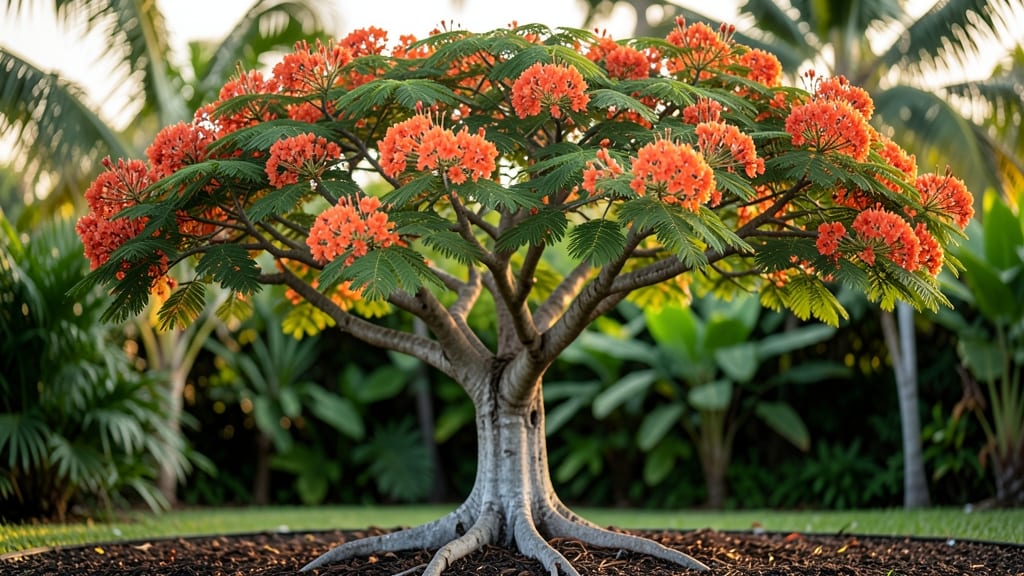
Florida botanical gardens showcase breathtaking biodiversity, from rare orchids at Fairchild Tropical Botanic Garden to vibrant bromeliads at Marie Selby Botanical Gardens. These living museums feature lush trails, seasonal blooms, and conservation-focused displays.
Florida's subtropical climate creates the perfect backdrop for these botanical wonders, where native species like royal palms and cycads thrive alongside exotic imports. 🌿 The state's gardens aren't just pretty—they're active conservation hubs protecting endangered plants such as the Florida torreya and ghost orchids.
What sets them apart is how each garden specializes: Fairchild's tropical glasshouses showcase rare plants from around the world, while Bok Tower Gardens focuses on Florida's native woodlands and their ecological importance.
For visitors, the magic happens on hidden trails like Fairchild's 'Jungle Trail' or Selby's 'Bromeliad Boardwalk,' where you'll discover plants most tourists never see. Timing matters too—spring brings wildflowers and azaleas, while fall offers golden foliage and fewer crowds.
Pro tip: Pack lightweight gear (bug spray, water, and a compact camera) to make the most of these immersive experiences.
💡 In This Article
- Florida Botanical Gardens’ Unique Plant Ecosystems
- Hidden Trails and Seasonal Highlights Guide
Florida botanical gardens’ unique plant ecosystems
Florida’s subtropical climate—marked by 75-85°F average temperatures year-round and 50-60 inches of annual rainfall—creates the ideal conditions for botanical gardens to flourish. This environment supports a mix of native species like royal palms (which can grow 60-80 feet tall) and cycads (ancient-looking plants that thrive in sandy soils).
The humidity and mild winters allow tropical plants to grow without the need for extensive greenhouse heating, unlike gardens in colder climates.
The magic happens in the soil too.
Florida’s sandy, slightly acidic soil (pH 5.5-6.5) is perfect for epiphytes like orchids and bromeliads, which anchor themselves to trees rather than grow in the ground. 🌿 At Fairchild Tropical Botanic Garden, you’ll find 2,000+ orchid species, including the rare ghost orchid (Dendrophylax lindenii), which blooms only once every 7-10 years.
Meanwhile, Bok Tower Gardens focuses on preserving Florida’s native woodlands, where you might spot Florida torreya (Torreya taxifolia), a critically endangered conifer that thrives in the garden’s shaded groves.
What makes these gardens special is their conservation mission. Many endangered species, like the Florida torreya (fewer than 1,000 remain in the wild), are propagated and studied in these gardens to prevent extinction.
The Marie Selby Botanical Gardens alone houses 12,000+ bromeliad species, many of which are threatened by habitat loss. Visitors often don’t realize they’re walking through a living laboratory where scientists work to save these plants before they disappear forever.
Each garden has a distinct focus that shapes its plant collections. Fairchild’s 100,000+ plants span six continents, while Bok Tower Gardens prioritizes native Florida flora to support local ecosystems.
This specialization means you won’t find the same plants at every garden—Fairchild’s glasshouses are packed with tropical fruits like mangoes and papayas, while Bok Tower’s trails feature native wildflowers that attract pollinators like monarch butterflies. The contrast is like comparing a global spice market to a local farmers’ market.
Seasonal changes also transform these gardens. In winter (Dec-Feb), orchids bloom in vibrant bursts of purple and yellow, while spring (Mar-May) brings azaleas and wildflowers in shades of pink and white. Fall (Sep-Nov) offers golden foliage and fewer crowds, making it ideal for photography.
The gardens’ diverse microclimates—from humid tropical zones to drier native woodlands—ensure there’s always something new to discover, no matter when you visit.
For plant lovers, the real treasure is understanding how these ecosystems work together. The Fairchild’s butterfly garden, for example, relies on native plants to feed butterflies year-round, while Selby’s bromeliad displays showcase how these plants collect water and nutrients in their leaves.
These details turn a simple walk into an educational experience that connects you to the science of plant survival.