
Tools
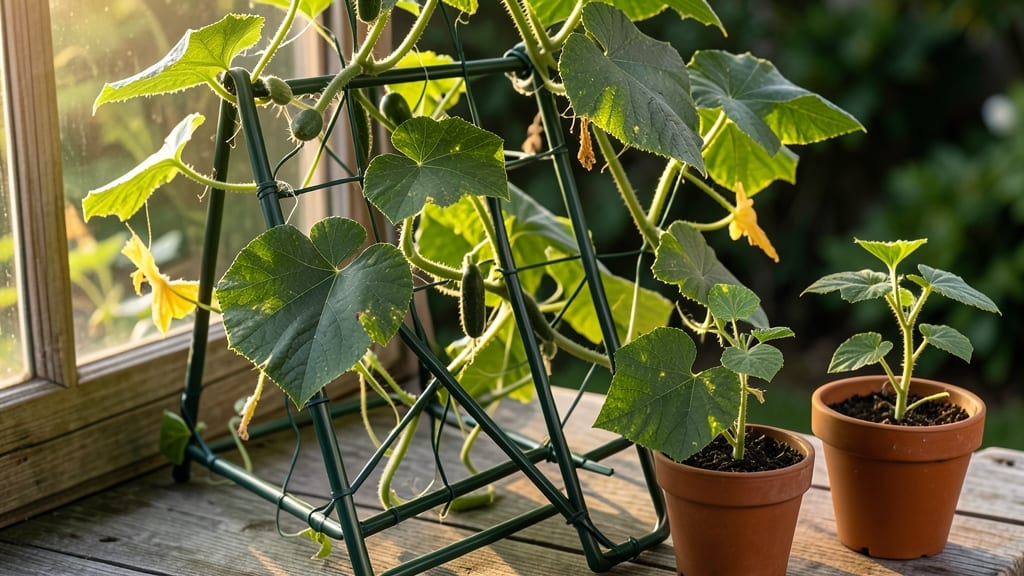
A foldable garden trellis is a smart solution for small spaces, helping you grow more plants vertically while saving storage space. These designs collapse flat for easy storage and support vining plants like cucumbers, tomatoes, and morning glories, making them perfect for patios or seasonal gardens.
A foldable garden trellis isn't just about saving space—it's about maximizing your garden's potential. 🌱 The right design can transform a tiny balcony into a thriving vertical garden, letting you grow crops that would otherwise need sprawling ground space.
I've seen how lightweight aluminum frames hold up beautifully in windy conditions, while bamboo options add a natural aesthetic that blends seamlessly with any garden style. The key is choosing one with sturdy crossbars (about 3-4 inches apart) to prevent plants from slipping through as they grow.
What really sets these apart is their versatility. You can use them for everything from training pole beans to supporting heavy tomato vines, and most collapse to fit in a closet or garage.
The best models even come with carrying handles, making it easy to move them around your yard as needed. For seasonal gardeners, this means you can store them away during winter and pull them out again next spring without any hassle.
💡 In This Article
- How Foldable Trellis Designs Support Plant Growth
- Top 5 Foldable Trellis Models for Small Gardens
How foldable trellis designs support plant growth
The secret behind a foldable trellis's effectiveness lies in its structural engineering. Most designs feature a 4-6 foot height range with crossbars spaced 3-4 inches apart, which creates the ideal balance for plant support. This spacing prevents vines from slipping through while allowing airflow to reduce fungal risks.
For example, cucumbers and pole beans thrive with 3-inch spacing, while heavier vines like tomatoes benefit from 2.5-inch spacing to prevent sagging.
Material choice directly impacts both plant health and longevity. Aluminum trellises offer corrosion resistance and can support up to 15 pounds per square foot—enough for mature tomato plants—while weighing just 3-5 pounds themselves.
Bamboo, though biodegradable, provides natural antimicrobial properties that deter pests, but requires occasional sealing to prevent water absorption. Plastic versions (like those with HDPE frames) are the lightest but may warp under heavy fruit loads like melons.
What most gardeners overlook is how the trellis's angle and stability affect plant growth. A 45-degree lean (common in A-frame designs) helps guide vines upward more efficiently than vertical-only supports.
The weight distribution matters too—look for trellises with wide bases (12+ inches) or ground stakes to prevent tipping in windy conditions. I've seen 6-foot trellises collapse when planted in loose soil without proper anchoring, despite their sturdy frames.
For different crops, the trellis's function varies dramatically. Legumes like peas and beans need lightweight supports (under 10 pounds capacity) to encourage upward growth without smothering tender stems. Meanwhile, squash and cucumbers require stronger crossbars (up to 12 pounds) to handle sprawling vines and heavy fruit.
The key is matching the trellis's weight capacity to your plant's mature size—something often overlooked in product descriptions.
Seasonal considerations also play a role. In hot climates, metal trellises can reach 120°F+ in direct sun, which may stress heat-sensitive plants like basil. Painted or powder-coated aluminum helps reflect sunlight, while bamboo naturally insulates.
For cold climates, foldable designs with removable sections let you disassemble and store them indoors during winter, protecting them from ice damage.
Consider these structural features when selecting:
- Crossbar spacing: 3 inches for most vines, 2 inches for heavy fruit loads
- Material: Aluminum for durability, bamboo for aesthetics, plastic for portability
- Weight capacity: 10+ pounds for tomatoes, 5-10 pounds for beans/peas
- Base stability: Wide bases or stakes prevent tipping in wind
The right trellis doesn't just support plants—it directs their growth in ways that maximize yield and health. 🌿