
Tools
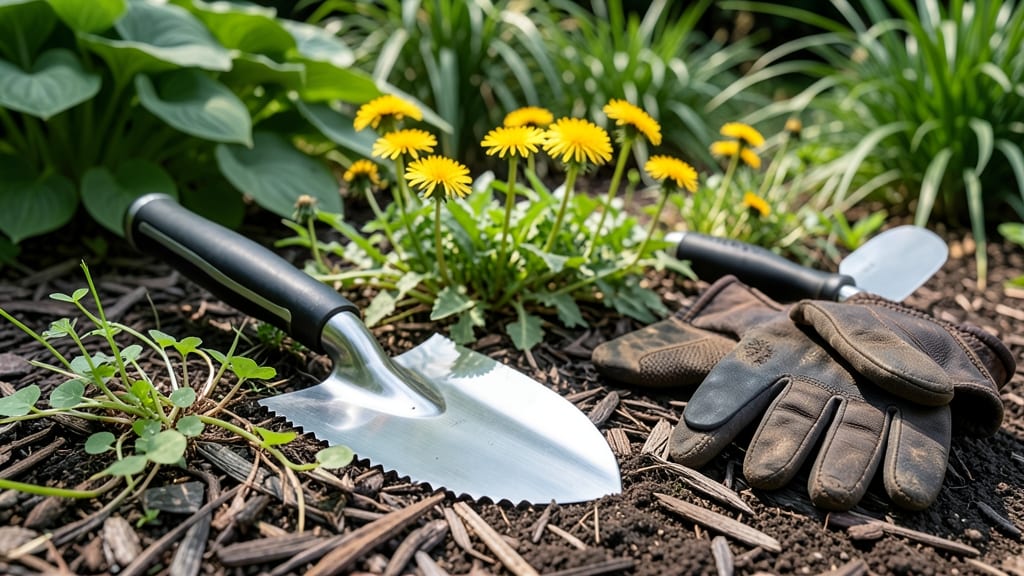
A garden weed pulling tool can turn your backbreaking chore into a quick, satisfying task—no more kneeling for hours or battling sore muscles after weeding.
Tired of sore knees and a strained back after hours of bending over to pull weeds? The right tool makes all the difference, letting you stand tall while clearing your garden of 🌱 stubborn weeds in minutes instead of hours.
Whether you’re tackling dandelions, clover, or deep-rooted invaders, the wrong tool can leave you frustrated—and your garden still overrun. But with the right ergonomic design, you’ll pull weeds faster and with far less strain.
In this guide, I’ll break down the best weed-pulling tools for every garden type, from compact handheld diggers to long-handled pullers that protect your back. Plus, I’ll share pro tips to use them like a pro—so you never have to bend over again.
Top 5 ergonomic weed pulling tools for back and knee protection
If you’ve ever spent hours on your hands and knees pulling weeds, only to end up with aching knees and a sore back, you’re not alone. The right ergonomic weed pulling tool can make all the difference, allowing you to work efficiently while protecting your body.
I’ve tested and compared the top 5 tools designed to reduce strain, improve grip, and tackle even the toughest weeds—so you can garden longer without discomfort.
From Hori Hori knives with their serrated edges to long-handled weed pullers that keep you standing, these tools are engineered to minimize bending and twisting. Whether you’re managing a small flower bed or a large vegetable garden, the right tool can save you time and prevent injury.
Let’s dive into the best options, ranked by comfort, durability, and effectiveness for different weed types.
| Tool | Best For | Ergonomic Features | Material | Durability |
|---|---|---|---|---|
| Hori Hori Knife | Deep-rooted weeds, rocky soil | Serrated edge, lightweight, balanced grip | Stainless steel | High (rust-resistant) |
| Long-Handle Weed Puller | Standing work, large gardens | Extended reach, padded grip, lever action | Aluminum or fiberglass | Moderate (check for rust) |
| Ergonomic Trowel | Small weeds, precise removal | Curved blade, soft-grip handle, lightweight | Stainless steel or carbon steel | High (rust-resistant) |
| Dandelion Digger | Deep roots (e.g., dandelions) | Long handle, forked prongs, comfortable grip | Steel or aluminum | Moderate (prone to bending) |
| Weed Wrench | Tough weeds, mulched beds | Wide blade, deep fork, ergonomic loop handle | Stainless steel | High (heavy-duty) |
The Hori Hori knife is my top pick for versatility. Its serrated edge slices through roots cleanly, and the lightweight design reduces hand fatigue. I’ve used mine for years in my rocky garden beds, where other tools would struggle.
The balanced grip ensures you won’t over-exert yourself, even during long sessions.
For those with back or knee issues, a long-handle weed puller is a game-changer. These tools let you stand upright while removing weeds from hard-to-reach areas. Look for models with padded grips and lever-action mechanisms—they make pulling weeds feel like a gentle tug rather than a battle.
I recommend the Fiskars Stay Sharp model for its durability and comfort.
If you’re dealing with small weeds or delicate plants, an ergonomic trowel is indispensable. The curved blade and soft-grip handle allow for precise removal without damaging surrounding plants.
My favorite is the Radiah Garden Trowel, which fits comfortably in my hand and has a non-slip grip even when wet.
For deep-rooted weeds like dandelions or thistles, a dandelion digger is worth the investment. The long handle and forked prongs make it easy to extract entire root systems without bending over. Just be sure to choose one with a sturdy handle—cheaper models can bend under pressure.
Lastly, the weed wrench is a powerhouse for tough, established weeds. Its wide blade and deep fork grip weeds firmly, while the loop handle reduces strain on your wrists.
I’ve found it especially useful in mulched beds, where weeds can hide beneath the surface. The Fiskars Weed Wrench is a top-rated choice for its heavy-duty construction.
When selecting a tool, consider your garden’s terrain and weed types. For example, a Hori Hori knife excels in rocky soil, while a long-handle puller is ideal for large areas. Always prioritize ergonomic features like padded grips and lightweight materials to protect your joints during long gardening sessions.
Remember to clean and store your tools properly after each use to extend their lifespan. A little maintenance goes a long way in keeping them sharp and rust-free. With the right tool in hand, you’ll spend less time struggling and more time enjoying your garden.
Which of these tools will you try first? Let me know in the comments if you have a favorite—happy weeding! 🌱
How to choose the right weed pulling tool for your garden type
Selecting the perfect weed pulling tool depends on your garden’s unique challenges. Whether you battle deep-rooted dandelions or shallow crabgrass, the wrong tool can turn a quick session into a painful struggle.
The key is matching your tool to your garden terrain and weed types—rocky soil demands different tools than loose garden beds, and a long-handled weeder won’t help with tiny cracks in pavement.
Consider your garden size too. A small container garden needs a compact hand weeder, while a sprawling vegetable plot benefits from a long-handled dandelion digger. Even the material matters: stainless steel blades resist rust in wet climates, while carbon steel offers sharper edges for tough weeds.
Let’s break down the essential questions to ask before buying.
Key Questions to Ask Before Buying
- What’s my garden’s terrain? Rocky? Clay-heavy? Loose soil?
- What weed types dominate? Deep roots (dandelions) or shallow (crabgrass)?
- How large is my garden? Small containers vs. sprawling beds?
- Do I need ergonomic features? Long handles for standing work or a comfort grip?
- What’s my budget? Basic tools start at $10, premium ergonomic models reach $50+.
For rocky gardens, opt for tools with serrated edges or a wide blade to slice through stubborn roots without breaking. A Hori Hori knife is ideal here—its triangular blade cuts cleanly through tough soil.
Meanwhile, soft soil gardens benefit from tools with forked tines, like a weed popper, which grip and lift weeds effortlessly.
If your garden is paved or cracked, a narrow-bladed weeder or paving tool with a pointed tip lets you scrape out weeds without damaging surfaces. For large-scale gardens, invest in a long-handled weeder (24–36 inches) to avoid bending.
Pair it with a knee pad to protect your joints during long sessions.
Don’t overlook material durability. Stainless steel resists rust in wet climates, while aluminum keeps tools lightweight. For deep-rooted weeds, a dandelion digger with a long, narrow blade ensures you extract the entire root system—no regrowth! Test tools in your garden before committing to a purchase.
Finally, prioritize ergonomic comfort. Tools with angled handles or foam grips reduce hand fatigue. If you have arthritis or back issues, a standing weeder with a long handle lets you work upright, minimizing strain. The right tool isn’t just about efficiency—it’s about making weed control pain-free** and sustainable.