
Tools
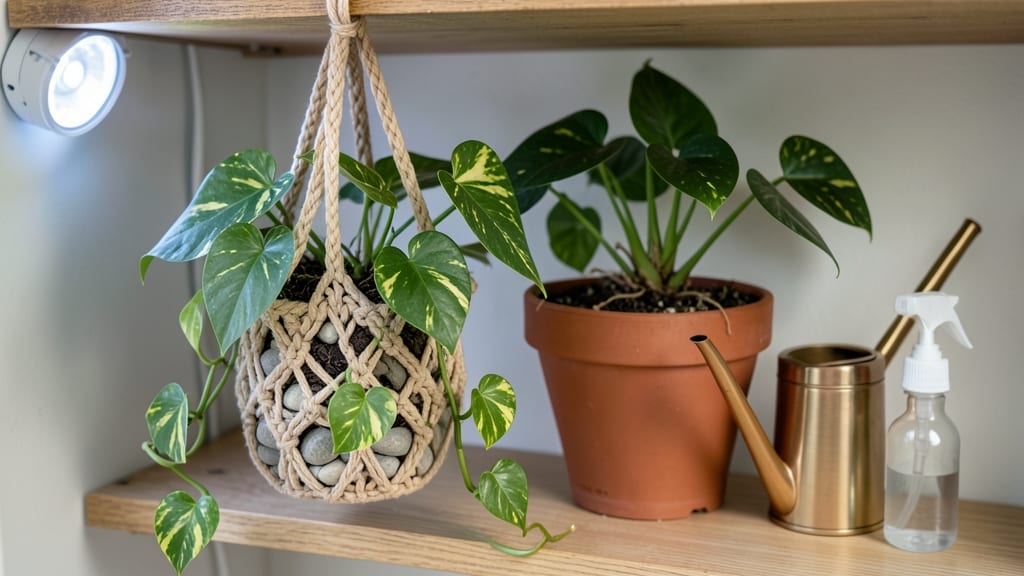
Having a garden in an apartment is easier than you think—you just need the right setup and a few smart tricks to maximize space and light.
Dreaming of fresh basil on your balcony or cherry tomatoes in a sunny corner but don’t have a yard? You’re not alone—millions of urban gardeners are turning tiny spaces into thriving green oases with vertical planters, hanging pockets, and even countertop grow kits.
This guide breaks down the best space-saving systems for your apartment, from wall-mounted gardens to self-watering pots, so you can grow herbs, veggies, and flowers year-round without the clutter.
We’ll also cover low-maintenance plants, lighting hacks for dim apartments, and how to keep pests at bay—so you can enjoy your harvest without the headaches.
Space-saving vertical garden systems for small apartments
Living in an apartment doesn’t mean you have to give up on gardening. With the right vertical garden systems, you can transform even the smallest balcony or windowsill into a lush, productive space.
The key is choosing systems that maximize sunlight exposure while keeping maintenance simple. Whether you prefer pre-made solutions or DIY projects, there’s a vertical garden style that fits your space and budget.
Vertical gardening isn’t just about saving space—it’s also about creating a visually appealing and functional garden. Systems like wall-mounted planters, hanging pockets, and tiered shelves allow you to grow more plants without sacrificing floor space.
Plus, they can add a stunning green accent to your apartment’s exterior or even indoors near sunny windows.
Before diving in, consider your sunlight conditions. Most apartments receive partial sunlight, so opt for plants that thrive in 4–6 hours of light daily. South or west-facing balconies are ideal, but even north-facing spaces can work with the right plant selection.
Let’s explore the best vertical garden systems to suit your needs.
| System Type | Space Efficiency | Sunlight Needs | Best For | DIY vs. Pre-Made |
|---|---|---|---|---|
| Wall-Mounted Planters | High (uses vertical walls) | Partial to full sun | Herbs, succulents, leafy greens | Both (customizable or store-bought) |
| Hanging Pocket Planters | Medium (depends on rail length) | Partial to bright indirect | Trailing plants, strawberries, herbs | Pre-made (easy to install) |
| Tiered Shelving Units | High (stackable design) | Partial to full sun | Vegetables, flowers, small shrubs | Both (DIY with wood or pre-made metal) |
| Vertical Hydroponic Towers | Very High (compact footprint) | Grow lights or bright indirect | Leafy greens, herbs, microgreens | Pre-made (requires setup) |
| Pallet Wood Gardens | High (repurposed material) | Partial to full sun | Flowers, herbs, small veggies | DIY (budget-friendly) |
If you’re working with a small balcony or limited wall space, wall-mounted planters are a fantastic choice. These systems attach directly to walls or fences, allowing you to grow plants upward instead of outward.
For example, a modular wall planter system lets you customize the layout based on your plants’ sunlight needs. Place taller plants like dwarf tomatoes at the bottom and shorter herbs like basil or thyme near the top.
For those with limited floor space but plenty of overhead room, hanging pocket planters are a game-changer. These systems use a series of fabric or plastic pockets suspended from a rail, creating a cascading effect.
They’re perfect for trailing plants like nasturtiums or strawberries, which add a pop of color and texture. Just ensure your rail is sturdy and securely mounted to avoid accidents.
If you prefer a more structured approach, tiered shelving units offer versatility and organization. These can be placed on balconies or indoors near windows, with each shelf dedicated to different plants.
For instance, use the top shelf for succulents or herbs that need bright light, while the bottom shelf can hold leafy greens like lettuce or spinach. The key is to rotate plants seasonally to ensure everyone gets the right amount of sunlight.
For the tech-savvy gardener, vertical hydroponic towers are a space-saving marvel. These systems use water and nutrients instead of soil, allowing plants to grow in a compact, vertical arrangement. They’re ideal for leafy greens and herbs and can be placed indoors under grow lights.
While the initial setup might require more investment, the long-term savings on water and soil make it worth considering.
Don’t overlook the charm of a DIY pallet wood garden. Repurposing wooden pallets into vertical planters is not only budget-friendly but also eco-conscious. Stain or paint the wood to match your apartment’s aesthetic, then fill the pockets with soil and your favorite plants.
This system works well for flowers, herbs, and small vegetables and adds a rustic touch to your space.
No matter which system you choose, always prioritize proper drainage and adequate spacing between plants. Overcrowding can lead to poor air circulation, increasing the risk of pests and diseases.
Start small, monitor your plants’ progress, and adjust as needed. With the right vertical garden system, you’ll enjoy a thriving garden—no backyard required!
Best low-maintenance plants for apartment balconies
If you're short on space but long on gardening dreams, don't worry—there are plenty of high-yield, low-maintenance plants perfect for apartment balconies. These fast-growing varieties thrive in containers and deliver quick rewards, whether you're craving fresh basil for pesto or cherry tomatoes for salads.
The key is choosing plants that tolerate partial shade and don’t demand constant attention.
I’ve tested these top 5 balcony plants in my own urban garden, and they consistently produce harvests with minimal effort. From herbs that regrow after cutting to dwarf vegetables that fit in tiny pots, these picks are designed to fit your lifestyle while maximizing flavor and yield.
Let’s dive into the best options for your sunlit (or semi-shaded) corner.
- 🌿 Mini Basil – Grows in 6-inch pots, thrives in 4+ hours of sun, and regrows after harvest. Perfect for pesto and salads.
- 🍅 Dwarf Cherry Tomatoes – Compact varieties like 'Tiny Tim' produce abundant fruit in 5-gallon containers. Needs full sun (6+ hours) for best results.
- 🌱 Lettuce (Leaf Varieties) – Fast-growing (30 days to harvest) and cut-and-come-again. Thrives in partial shade and shallow containers.
- 🌿 Chives – Hardy perennial that regrows after cutting. Tolerates partial shade and fits in 4-inch pots. Great for garnishes!
- 🌻 Strawberries (Alpine Varieties) – Dwarf strawberries produce sweet fruit in hanging baskets. Needs 6+ hours of sun and regular watering.
For quick gratification, prioritize microgreens like radish or broccoli sprouts, which sprout in 7–10 days and pack a nutrient punch. These grow well on a sunny windowsill in shallow trays and can be harvested in just a few weeks.
Pair them with slow-growing herbs like thyme or oregano, which need minimal watering once established.
Pro tip: Use self-watering containers to reduce maintenance. These systems keep soil moist without overwatering, which is crucial for balcony plants exposed to wind. I recommend terracotta pots for herbs (they wick moisture) and fabric grow bags for vegetables (better root aeration).
Always ensure drainage holes to prevent root rot.
If your balcony gets less than 4 hours of sunlight, opt for shade-tolerant plants like mint, parsley, or Swiss chard. These thrive in bright indirect light and still deliver flavorful harvests. For extra productivity, try stackable planters or vertical pockets to maximize space without sacrificing sunlight.
Remember, the secret to low-maintenance gardening is consistency—not perfection. Water in the morning, fertilize every 4–6 weeks, and prune regularly to encourage bushier growth. With these resilient plants and a little creativity, your apartment balcony can become a year-round harvest hub—no yard required! 🌱