
Size
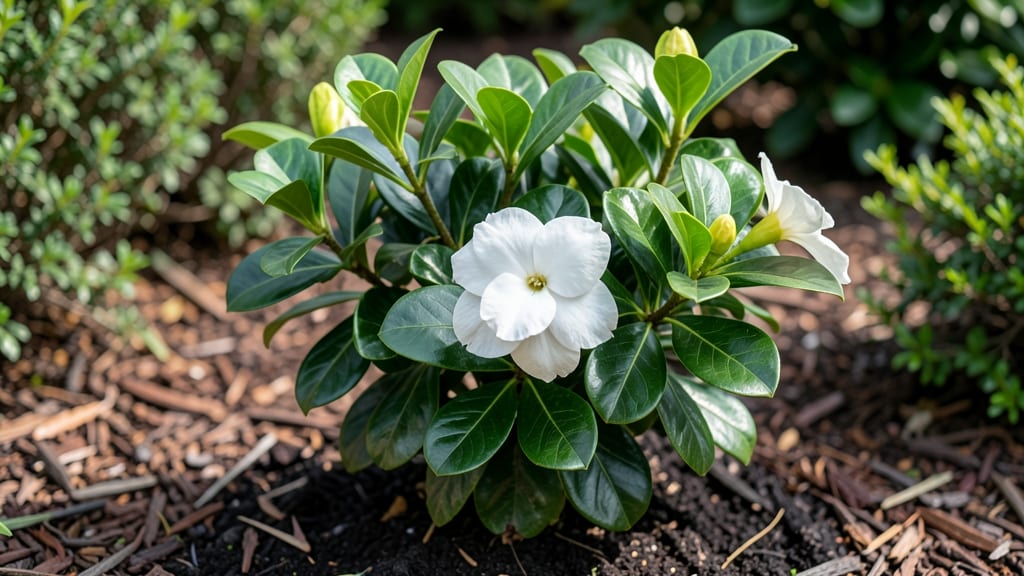
Frost-proof gardenia height depends on pruning and variety choice—even in USDA Zone 6, where cold snaps can stunt growth if you’re not careful.
Picture this: You’ve spent months nurturing your 🌸 gardenia, only for a late frost to trim it back harder than your pruners ever could. The good news?
With the right techniques, you can keep your gardenia thriving at your desired height—whether you prefer a compact 2-foot bush or a towering 6-foot statement plant.
Cold-hardy varieties like 'Kleim’s Hardy' or 'Radicans' are built to handle frost, but their height still needs guidance. The secret lies in strategic pruning, seasonal care, and knowing when to protect (or expose) branches to winter’s chill.
In this guide, I’ll walk you through how to control gardenia height year-round, from spring trims to winter prep, so your plant stays lush, blooming, and frost-proof—no matter how harsh your climate gets.

How frost-proof gardenia varieties maintain optimal height in cold climates
Cold-hardy gardenias like Gardenia jasminoides 'Kleim’s Hardy' and 'Radicans' are game-changers for gardeners in USDA Zones 6-8. These varieties naturally adapt their growth patterns to survive frost while maintaining a compact, bushier shape—perfect for small gardens or containers.
Their secret? A combination of genetic resilience and strategic pruning that encourages shorter, sturdier branches.
Unlike traditional gardenias that can reach 6 feet tall, frost-proof varieties typically stay between 3-4 feet when properly cared for. This height control happens naturally due to their slower growth rate and ability to recover from winter damage.
The key is understanding how these plants respond to cold exposure and using pruning to guide their shape without stunting their growth.
| Variety | Mature Height | Cold Hardiness | Growth Habit |
|---|---|---|---|
| Gardenia jasminoides 'Kleim’s Hardy' | 3–4 ft | Zone 6–8 | Bushy, rounded |
| Gardenia jasminoides 'Radicans' | 2–3 ft | Zone 7–9 | Trailing, compact |
| Gardenia jasminoides 'Big Blue' | 4–5 ft | Zone 7–10 | Upright, bushy |
| Gardenia jasminoides 'Veitchii' | 3–4 ft | Zone 7–9 | Multi-stemmed, dense |
*All varieties benefit from annual pruning to maintain height and shape in cold climates.
Frost exposure actually trims growth in these varieties by reducing apical dominance—the tendency for plants to grow taller. When cold snaps damage the topmost buds, side branches begin growing more vigorously, creating a fuller, shorter shrub.
This natural pruning effect is why frost-proof gardenias rarely exceed 4 feet in colder zones without intervention.
To encourage even shorter, bushier growth, focus on light pruning in late winter (just before new growth starts). Remove any dead or frost-damaged branches first, then trim back overly long stems by about one-third.
This stimulates lateral branching, which thickens the plant’s structure and keeps it under 3 feet for container gardening.
Another trick is to plant in partial shade, which naturally slows vertical growth while promoting horizontal spread. Frost-proof gardenias thrive with 4–6 hours of morning sun and afternoon shade, especially in Zone 6 gardens.
The reduced light stress helps them allocate energy to bushiness rather than height, making them ideal for foundation plantings or mixed borders.
Mulching plays a crucial role in height control too. Apply a 3-inch layer of organic mulch (like pine bark or shredded leaves) around the base in early fall.
This insulates roots from freeze-thaw cycles, which can stunt growth if roots are stressed. Mulch also retains soil moisture, reducing the plant’s need to stretch upward for water.
For container-grown frost-proof gardenias, choose dwarf varieties like 'Radicans' and use smaller pots (12–15 inches wide) to naturally limit root expansion. Root-bound plants grow slower and stay under 2 feet tall.
Always use well-draining, acidic soil (pH 5.0–6.5) to prevent root rot, which can weaken the plant and lead to leggy, sparse growth.
One common misconception is that frost-proof gardenias don’t need pruning. In reality, annual shaping is essential to prevent legginess and encourage dense foliage. After flowering (late summer), trim back overly long stems to just above a leaf node.
This redirects energy to side shoots, keeping the plant compact and floriferous.
If your frost-proof gardenia starts growing too tall, don’t panic—it’s often a sign of over-fertilization or too much sun. Reduce nitrogen-rich fertilizers and move the plant to partial shade for a few weeks. Within 4–6 weeks, you’ll see shorter, bushier
Step-by-step pruning guide to control frost-proof gardenia height
Pruning your frost-proof gardenia isn’t just about shaping—it’s about boosting cold resistance while keeping your plant at your desired height. The key is timing and technique. Start by identifying overgrown branches (those growing taller than 3 feet or crowding the center) and dead wood (brown, brittle stems).
These need immediate attention to prevent energy drain during winter. Remember, gardenias flower on old wood, so avoid heavy cuts after July—this ensures next year’s blooms!
Seasonal pruning is non-negotiable. Spring is for light shaping (remove only 10-20% of growth), summer focuses on deadheading spent blooms, and fall is for heavy pruning to prep for frost. Let’s break it down step-by-step to keep your gardenia compact, healthy, and frost-hardy.
-
1
Spring (April–May): Light Pruning
Remove dead or crossing branches using sterilized pruners. Cut just above a leaf node (where new growth emerges) to encourage bushier growth. Avoid cutting back more than 1/3 of the plant—this stresses frost-sensitive varieties.
-
2
Summer (June–August): Deadheading & Light Trimming
After flowers fade, snip spent blooms to redirect energy to new growth. Trim overly long branches (those exceeding 2 feet) to maintain compact shape. Never cut into old wood—this removes next year’s flower buds!
-
3
Fall (September–October): Heavy Pruning for Frost Prep
Reduce height by 25-30% to lower the plant’s center of gravity and improve frost survival. Cut back leggy branches to half their length, focusing on outer growth to open the plant’s center. Apply mulch (3–4 inches) afterward to insulate roots.
-
4
Winter (November–March): Inspect & Protect
Check for frost damage (blackened leaves, mushy stems). Prune only dead tissue—never healthy wood. Wrap the plant in burlap if temps drop below 15°F. Avoid pruning during freezes—wait until spring thaw.
Pro tip: Always use sharp, clean tools to prevent disease spread. Wipe pruners with rubbing alcohol between cuts, especially if your gardenia shows signs of powdery mildew (a common issue in humid climates).
For dwarf varieties, like ‘Kleim’s Hardy,’ stick to light pruning—these stay under 3 feet naturally and need minimal shaping.
Consistency is key. If you prune once a season but skip another, your gardenia will outgrow its space and become vulnerable to frost. Aim for 3–4 pruning sessions yearly, adjusting based on your plant’s growth rate and local climate.
For example, gardenias in Zone 6 need earlier fall pruning than those in Zone 8.
Watch for new growth after pruning—this signals your plant is recovering well. If you see yellow leaves or stunted branches, you’ve likely over-pruned. In this case, reduce future cuts and focus on fertilizing with acidic compost to encourage healthy regrowth. 🌸