
Tools
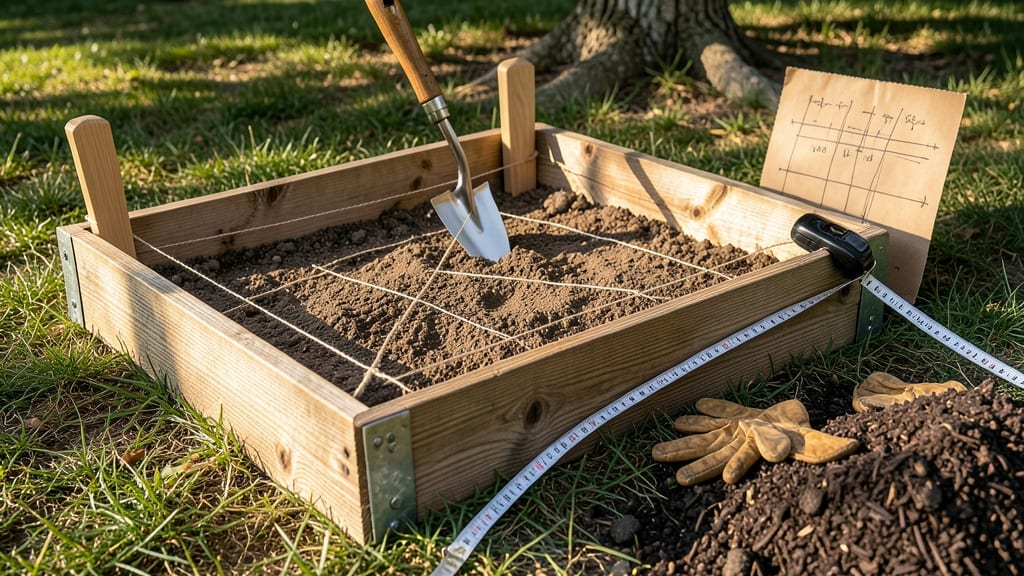
Determining garden bed measurements starts with widths of 3 to 4 feet for easy access and depths of 6 to 8 inches to support healthy root systems, while lengths vary based on available space and plant varieties. Standard raised beds often follow 4x8-foot dimensions for practicality.
Choosing the right dimensions isn't just about fitting plants—it's about creating an environment where they thrive.
A 3- to 4-foot width ensures you can comfortably reach the center without stepping on the soil, which prevents compaction and keeps weeds at bay. Depth matters too: shallow beds (6 inches) work for herbs and shallow-rooted veggies, while deeper beds (8+ inches) give root crops like carrots or potatoes the room they need. 🌱 For raised beds, the 4x8-foot standard isn't arbitrary—it maximizes space efficiency while keeping materials manageable for DIY builders.
In-ground beds offer more flexibility but require careful planning. For example, a 6-foot-long bed might accommodate two rows of tomatoes with proper spacing, while a 10-foot bed could fit a mix of tall plants (like peppers) and low-growing herbs.
Always leave at least 18 inches between beds for airflow and easy maintenance. Pro tip: sketch your layout first—many gardeners use string and stakes to visualize dimensions before digging.
💡 In This Article
- Why Standard Garden Bed Dimensions Matter for Plant Health
- How to Customize Garden Bed Sizes for Your Space and Plants
Why standard garden bed dimensions matter for plant health
Standard garden bed dimensions aren't random—they're rooted in plant biology and human ergonomics. The 3- to 4-foot width is ideal because it allows you to reach the center without stepping on the soil, which prevents compaction that restricts root growth and creates pathways for weeds.
Studies show that soil compaction reduces oxygen availability by up to 30%, stunting plant development. 🌱 This width also ensures even sunlight exposure across the entire bed, preventing the "shade gradient" where plants on one side get more light than others.
Depth plays a crucial role in root development. A 6-inch depth works perfectly for herbs like basil or parsley, whose roots rarely exceed 12 inches. For vegetables like lettuce or radishes, this depth provides enough space while keeping the soil warm and moist near the surface.
When you increase depth to 8+ inches, you're accommodating root crops like carrots or potatoes, which need room to grow without becoming deformed. The extra depth also improves drainage—critical for preventing waterlogged roots, which can lead to rot within 48-72 hours of poor drainage conditions.
Length becomes important for airflow and plant spacing. A 4-foot length might fit two rows of bush beans with proper spacing, while a 10-foot bed could accommodate taller plants like tomatoes at one end and shorter herbs at the other.
This vertical layering isn't just about aesthetics—it maximizes sunlight capture and reduces competition for nutrients. The 4x8-foot raised bed standard also aligns with lumber dimensions, making construction easier and more cost-effective for DIY gardeners. 🔨
Ergonomics also influence these measurements. Research from horticultural therapy programs shows that beds wider than 4 feet force gardeners to step into the planting area, which can cause soil compaction and make maintenance more difficult.
The standard dimensions also create a comfortable working height—typically 6-12 inches above ground level for raised beds—which reduces back strain during planting and harvesting. This thoughtful design means healthier plants and a more enjoyable gardening experience.
Soil aeration is another key factor. The standard dimensions create a balance where soil isn't too compacted (from wide beds) or too shallow (limiting root growth).
For example, a 4-foot wide x 8-foot long x 12-inch deep raised bed provides 384 cubic feet of soil volume—enough to support diverse plantings while maintaining proper airflow through the soil profile. This aeration is crucial for beneficial microbes that break down organic matter and make nutrients available to plants.
Consider how these dimensions interact with your local climate. In cooler regions, deeper beds (12 inches) help retain heat, while in hot climates, slightly shallower beds (8 inches) prevent overheating of root zones.
The standard measurements provide a flexible framework that you can adjust based on your specific growing conditions and plant requirements. 🌿