
Tools
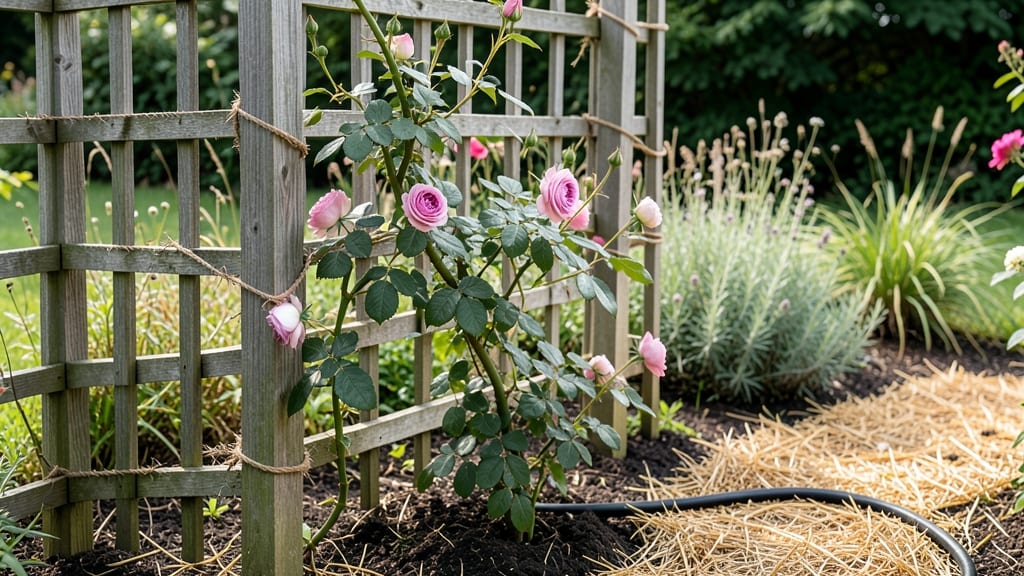
Transforming your garden bed with some of the best garden bed trellis ideas 🌿 starts with the right support structure—whether you're training cucumbers to climb or letting roses cascade elegantly.
If you’ve ever watched vines sprawl across the ground, stealing space from other plants and making harvests a messy chore, you know how quickly a small plot can feel crowded.
The solution? A well-designed trellis that not only maximizes vertical growth but also turns your garden into a functional and eye-catching display.
From rustic wooden arches to sleek metal grids, the best garden bed trellis ideas blend practicality with style.
Whether you’re working with limited space or just want to add height to your beds, the right trellis can double your plant’s yield, keep pests at bay, and even improve airflow for healthier foliage.
Below, I’ll walk you through space-saving designs, DIY-friendly materials, and plant pairings that make the most of your trellis investment—no green thumb required.
10 Best garden bed trellis designs for climbing plants
Climbing plants like cucumbers, pole beans, and clematis can turn your garden bed into a vertical masterpiece—but only if you choose the right trellis design. The wrong support can lead to tangled vines, poor air circulation, or even plant damage.
Whether you’re working with a small urban plot or a sprawling backyard, the trellis you pick makes all the difference in yield, health, and aesthetics.
From rustic wooden teepees to sleek metal obelisks, the ideal trellis depends on your plant type, space constraints, and garden style. Some designs maximize airflow for leafy greens, while others provide sturdy holds for heavy fruit-laden vines.
Below, I’ve rounded up the 10 best garden bed trellis designs, including material options, DIY tips, and plant pairings to inspire your next vertical garden project.
For small gardens, a teepee trellis made from bamboo stakes is a game-changer. It’s lightweight, easy to assemble, and perfect for pole beans or morning glories.
Simply drive 4-6 stakes into the ground in a circle, tie them together at the top with twine, and watch your plants climb. The DIY difficulty is low, and the aesthetic adds a charming, cottage-garden feel to any space.
If you’re growing heavy vines like cucumbers or melons, an A-frame trellis is your best bet. This triangular design distributes weight evenly, preventing collapse under the weight of fruit-laden plants.
Use PVC pipes or wooden 2x4s for a sturdy frame, then add horizontal slats or netting for vine support. The modern, clean lines also make it a great choice for contemporary gardens.
For romantic gardeners, an arched trellis is pure magic. Perfect for climbing roses or wisteria, this design mimics natural growth patterns while adding a touch of elegance.
The challenge? Building one requires precise measurements and strong materials like metal pipes or thick wooden beams. But the payoff—a flower-covered archway—is worth the effort.
Don’t overlook DIY options
How to choose the right trellis for your climbing plants
Not all trellises are created equal—your climbing cucumbers need a sprawling lattice, while pole beans thrive on a simple teepee. The right trellis depends on your plant’s growth habits, space constraints, and even your garden’s aesthetic.
For example, heavy vines like grapes require sturdy metal or wooden frames, while lightweight morning glories can climb a basic string trellis.
Start by matching your trellis to the plant’s natural growth pattern. Twining vines (like cucumbers and beans) need horizontal support, while self-clinging varieties (like ivy or Virginia creeper) can grip textured surfaces.
A 5-foot obelisk works for tomatoes, but 10-foot arches are better for roses or clematis. Skipping this step often leads to flopping plants or broken trellises.
Plant-Specific Trellis Matchmaker
- 🍆 Cucumbers: Sprawling lattice (6+ ft tall) – Needs wide spacing for fruit development.
- 🌱 Pole Beans: Teepee or bamboo stakes (5-6 ft) – Lightweight but sturdy for vertical growth.
- 🌹 Roses/Clematis: Arched metal or wooden trellis (8-10 ft) – Supports heavy blooms and thorns.
- 🍓 Strawberries: Vertical slats or netting (3-4 ft) – Encourages upward fruit production.
- 🍇 Grapes: Trellis with cross-arms (12-15 ft) – Mimics commercial vineyard support.
- 🌿 Morning Glories/Ivy: String or twine trellis (4-6 ft) – Lightweight for self-clinging vines.
Pro Tip: Heavy fruiting plants (like melons or squash) need wider spacing between supports to prevent breakage.
Durability is another critical factor. Metal trellises resist rot but can rust in wet climates, while bamboo or wood blends in naturally but may need sealing. For high-wind areas, opt for powder-coated metal or reinforced PVC.
If you’re growing aggressive climbers like hops, invest in a galvanized steel frame—it’ll last decades.
Don’t overlook aesthetics. A rustic wooden teepee adds charm to cottage gardens, while a sleek black metal obelisk fits modern spaces.
Place trellises where they’ll complement your garden’s layout—near pathways for easy harvesting or as a backdrop for seating areas. Color-coordinated trellises (like green for veggie beds or burgundy for roses) can tie your garden’s theme together.
Maintenance matters too. Easy-to-clean materials (like plastic or metal) save time, while wooden trellises may need annual staining. Avoid designs with tight corners where pests hide—opt for open-grid structures for better airflow and fewer diseases. Prune vines regularly to prevent overcrowding, which weakens the trellis and invites pests.
Before you buy, check the weight capacity—a 6-foot trellis should support at least 20-30 lbs of fruit or foliage. For container gardens, use lightweight trellises like flexible wire cages or collapsible fabric supports. And if you’re renting your space, consider portable trellises that can be moved seasonally.