
Tools
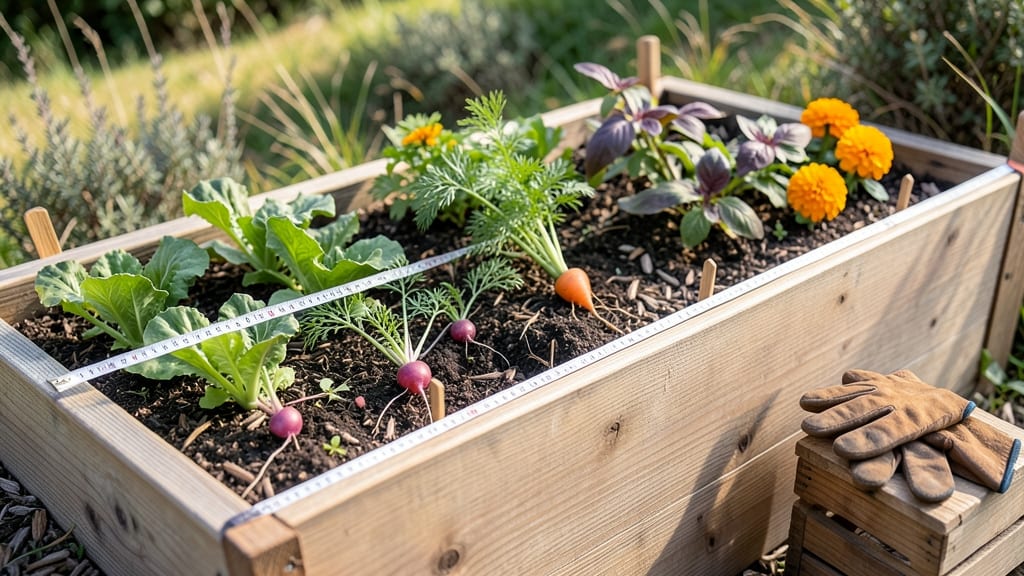
Choosing the right garden bed width is the secret to a thriving, low-maintenance garden that actually fits your life.
Picture this: you’re knee-deep in weeds because your beds are too wide to reach comfortably, or you’re wasting space because they’re too narrow to grow what you love. The truth? Perfect dimensions aren’t just about looks—they’re about efficiency, plant health, and even your back.
Too narrow, and you’ll struggle with crowding and poor airflow. Too wide, and you’ll spend more time walking than gardening.
The science behind 3- to 4-foot beds (with pathways) isn’t just a rule—it’s a game-changer for weed control, soil health, and how easily you can tend to your plants.
In this guide, I’ll break down the ideal widths for raised beds, in-ground plots, and even small urban gardens—plus how to adjust for different plants, soil types, and your unique space. By the end, you’ll design beds that work as hard as you do.
Optimal garden bed widths for easy reach and plant spacing
Getting the garden bed width right isn't just about fitting more plants—it's about creating a space where reach, airflow, and plant health thrive.
I've learned through years of gardening that 3-4 feet is the sweet spot for most gardeners, allowing you to work from both sides without stepping on the soil. This width also aligns perfectly with how most plants spread their roots and leaves.
When I first started gardening, I made the mistake of creating beds that were too wide—over 5 feet. What seemed like a smart use of space quickly became a nightmare of weed infestations and uneven watering.
The middle of those beds stayed compacted, and my plants struggled to grow properly. That's when I discovered the magic of accessible bed dimensions and how they directly impact your gardening experience.
Here's the science-backed breakdown of why 3-4 feet works best for most gardeners, along with how to adjust for different plant types and garden layouts:
| Bed Width (ft) | Accessibility | Plant Spacing | Best For | Ergonomic Considerations |
|---|---|---|---|---|
| 3-4 ft | Single-reach from both sides | Optimal airflow, easy maintenance | Vegetables, herbs, flowers | Average-height gardeners (5'2"-6') |
| 4-5 ft | Requires stepping on bed | Taller plants, wider spacing | Perennials, shrubs, large veggies | Taller gardeners (6'+) with pathways |
| 5-6 ft | Needs central pathway | Maximum plant density | Intensive planting, large-scale gardens | Professional setups with tools |
| 2-3 ft | Single-reach from one side | Compact plants, small gardens | Herbs, microgreens, containers | All gardeners (space-efficient) |
The 3-4 foot width is ideal because it allows you to reach the center of the bed from either side without disturbing the soil. This minimizes compaction and ensures even watering.
For example, when I plant tomatoes and peppers, I keep them in 3-foot-wide beds so I can easily harvest and prune without stepping on the soil, which can damage roots and spread diseases.
For shorter gardeners (under 5'2"), a 2-3 foot width works better since your arm span might not comfortably reach 3 feet. On the other hand, if you're over 6 feet tall, you can stretch to reach 4 feet comfortably.
Always consider your own ergonomic needs when designing your beds—your comfort directly impacts your gardening efficiency.
Wider beds (over 5 feet) require pathways for accessibility. Without them, you'll end up walking on the soil, which can compact the earth and disrupt root systems.
I've seen gardeners create beautiful wide beds only to have poor plant growth because they couldn't access the center without damaging the soil. Always leave at least 2 feet of pathway space between beds if you go wider than 4 feet.
Plant spacing also plays a crucial role in determining the best bed width. For instance, leafy greens like lettuce and spinach can be planted closely together in 2-foot-wide beds, while larger plants like pumpkins or corn need 4-5 foot widths to spread out.
When I design my beds, I group plants with similar spacing needs together to maximize efficiency. This approach not only saves space but also makes maintenance much easier.
Another key factor is airflow. Tightly packed plants in wide beds can create humid microclimates that encourage fungal diseases. By keeping beds at 3-4 feet wide, you allow better air circulation around your plants.
I've noticed a significant reduction in powdery mildew in my roses and peppers since I switched to narrower beds with proper spacing.
If you're working with raised beds, the width guidelines remain the same, but you have more flexibility with height. I often build raised beds at 4 feet wide and 12 inches deep for vegetables, which gives me the perfect balance of accessibility and growing space.
The extra height also helps with drainage and root development, especially for deep-rooted plants like carrots or asparagus.
Remember, the goal is to create a garden that works for you and your plants. Start with 3-4 foot beds, observe how your plants grow, and adjust as needed. Over time, you'll develop a system that maximizes your space while making gardening easier and more enjoyable. Happy planting! 🌱
How garden bed width affects soil health and weed control
When designing your garden beds, width isn’t just about how much space you have—it directly impacts your soil health and weed control. Narrower beds (like 2-3 feet) allow roots to spread more evenly, reducing soil compaction and improving moisture retention.
Meanwhile, wider beds can create microclimates that either suppress or encourage weeds depending on how you manage them.
Raised beds and in-ground beds behave differently when it comes to width. Raised beds, for example, warm up faster in spring and drain better, but their width affects how deeply you can till or amend the soil.
In-ground beds, on the other hand, are more prone to soil compaction if walked on frequently, making narrower widths ideal for maintaining loose, aerated soil.
Narrow Beds (2-3 ft)
- Better root access to nutrients
- Reduced soil compaction from foot traffic
- Easier weed suppression with mulch
- Faster soil warming in spring
- Limited plant variety per bed
- More beds needed for large gardens
- Harder to reach center for tall plants
Wide Beds (4-6 ft)
- Maximizes space for large plants
- Reduces pathway space needed
- Better for intensive planting
- Increased soil compaction from walking
- Harder to mulch evenly
- Weed growth risk in center areas
- Requires pathways for access
For soil health, narrower beds (2-3 feet) are a game-changer. They allow you to amend soil more easily and reduce the risk of soil compaction from stepping on the bed.
In my experience, raised beds benefit even more from narrower widths because you can till or aerate the soil more effectively without compressing it.
Weed control is another area where width makes a difference. Narrow beds (2-4 feet) are easier to mulch thoroughly, blocking weed seeds from germinating. Wider beds, however, create shady microclimates in the center where weeds like crabgrass or dandelions thrive.
To combat this, I recommend adding a thick layer of mulch (3-4 inches) or using landscape fabric in wider beds.
If you’re using raised beds, aim for widths between 2-3 feet to balance accessibility and soil health. For in-ground beds, keep them under 4 feet to avoid compaction. Always leave 12-18 inches of pathway space around the bed for easy maintenance and reduced soil disturbance.
Experiment with different widths in your garden to see what works best for your plant types and soil conditions. Over time, you’ll notice how narrower beds produce healthier plants with fewer weeds—making your gardening life a whole lot easier! 🌱