Planting
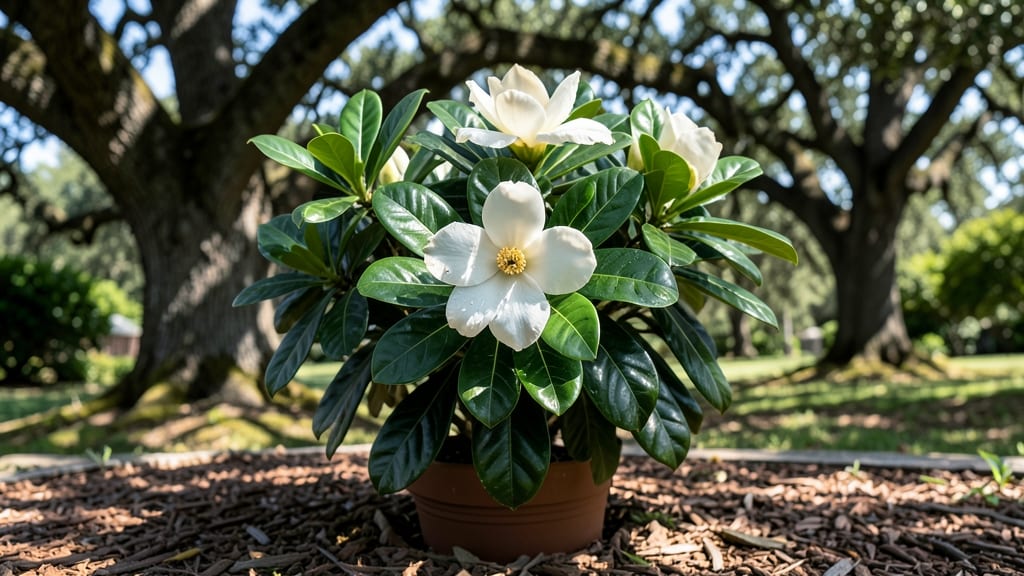
Understanding gardenia plant size is the first step to choosing the right variety for your space — whether that’s a compact patio pot or a sprawling garden bed.
If you’ve ever stared at a nursery tag and wondered, "Will this fit here?" you’re not alone. Gardenias range from dwarf varieties under 3 feet to towering shrubs that reach 6 feet or more, and that size difference can completely change how you plan your garden layout.
In this guide, we’ll break down the mature height and spread of popular gardenia types, including how quickly they grow and when you can expect them to reach full size. You’ll also learn how to control their growth in containers or garden beds, plus the best spacing for outdoor planting.
Whether you’re dreaming of fragrant blooms in a small balcony planter or a lush hedge along your fence, knowing your gardenia’s potential size helps you plant with confidence — and avoid the "too big for its britches" surprise down the road.

Gardenia plant size by variety: growth charts for common types
Choosing a gardenia variety means deciding between compact shrubs perfect for containers and towering tropical beauties that make bold garden statements. Understanding gardenia plant size helps you plan spacing, pruning schedules, and even container choices.
Some varieties stay under 3 feet tall while others reach 6 feet or more—let’s break down the most popular types and their growth habits.
Most gardenias belong to the Gardenia jasminoides species, but hybrids like Gardenia augusta and Gardenia fortuniana offer dramatic size variations. Whether you’re growing in USDA Zones 7-10, these dimensions will help you visualize your garden layout.
For example, a dwarf gardenia thrives in patio pots while a standard variety becomes a focal point in shrub borders.
| Variety | Mature Height | Mature Width | Growth Rate | Best For |
|---|---|---|---|---|
| Gardenia jasminoides 'Radicans' | 2-3 ft | 3-4 ft | Slow to moderate | Containers, borders |
| Gardenia jasminoides 'Kleimschmidtiana' | 3-4 ft | 4-5 ft | Moderate | Foundation planting |
| Gardenia augusta | 4-6 ft | 5-7 ft | Moderate | Shrub borders, hedges |
| Gardenia fortuniana | 6-10 ft | 8-12 ft | Fast | Large gardens, tropical landscapes |
| Gardenia jasminoides 'Veitchiana' | 5-7 ft | 6-8 ft | Moderate | Specimen plant |
If you’re growing Gardenia jasminoides 'Radicans', expect a 2-3 foot tall shrub with a sprawling 3-4 foot width—ideal for patio containers or mixed borders. This variety spreads wider than it grows tall, making it perfect for low hedges or cascading over walls.
Prune lightly after flowering to maintain its compact shape.
The Gardenia augusta variety is a medium-sized shrub reaching 4-6 feet tall with a 5-7 foot spread. This makes it a great choice for foundation plantings or as a privacy screen when planted in a row.
Its glossy leaves and fragrant white blooms add tropical charm to USDA Zone 8-10 gardens.
For those with larger garden spaces, Gardenia fortuniana grows into a small tree with heights of 6-10 feet and widths up to 12 feet.
This variety is perfect for tropical landscapes or as a specimen plant in warm climates. Its rapid growth means you’ll see noticeable height increases each year.
When planning your garden, consider how gardenia plant size affects sunlight exposure. Larger varieties like Gardenia fortuniana may need partial shade in hot afternoons, while dwarf types like 'Radicans' can handle more direct morning sun.
Always plant with 3-5 feet of clearance around the mature width to allow airflow and prevent disease.
Container gardeners should choose dwarf varieties like 'Kleimschmidtiana' or 'Radicans' for 15-20 gallon pots. These compact sizes stay manageable while still producing fragrant blooms. Remember to repot every 2-3 years as roots outgrow their space, using a well-draining, acidic potting mix.
One of the most striking varieties, Gardenia jasminoides 'Veitchiana', grows 5-7 feet tall with a 6-8 foot spread. Its large, double blooms make it a showstopper in garden beds or near patios. This variety benefits from annual pruning to shape its growth and encourage more abundant flowering.
To visualize growth progression, most gardenias take 3-5 years to reach their mature size. In their first year, expect 1-2 feet of growth, with additional 1-2 feet annually thereafter. This gradual growth helps you plan pruning and fertilizer schedules effectively.
If you’re unsure which variety fits your space, start with 'Radicans' for containers or 'Kleimschmidtiana' for a medium-sized shrub. Both offer fragrant blooms and adapt well to container growing, making them ideal for beginners. For larger gardens, Gardenia augusta provides both privacy and fragrance in one.
🌸
How to control Gardenia size in containers vs. garden beds
Controlling gardenia size depends entirely on whether you’re growing it in a container or garden bed. In pots, root space limits growth, while open soil lets gardenias spread naturally. The key is understanding variety-specific growth habits and adjusting care accordingly.
For container gardenias, regular pruning and root pruning keep them manageable, while garden bed plants need proper spacing from day one. Let’s break down the best methods for each growing situation to keep your gardenia thriving without overpowering your space.
Controlling Gardenia Size: Containers vs. Garden Beds
Containers
- Pros: Compact growth, easy mobility, root-bound control
- Cons: Needs frequent pruning, limited nutrients
Garden Beds
- Pros: Natural growth, better blooms, less maintenance
- Cons: Harder to control size, requires spacing
When growing gardenias in containers, start with a pot that’s 12-18 inches wide for dwarf varieties or 20+ inches for standard types. Use a well-draining potting mix with added perlite to prevent root rot, which can stunt growth.
Prune container gardenias after flowering to shape them and encourage bushier growth. Trim back 1/3 of the plant annually, focusing on leggy stems. If roots become root-bound, gently tease them apart or transplant to a slightly larger pot every 2-3 years.
In garden beds, space gardenias 4-6 feet apart for standard varieties and 2-3 feet for dwarf types. Dig a hole twice as wide as the root ball but no deeper to avoid burying the stem.
Amend the soil with compost and peat moss to maintain acidity, which supports healthy growth.
For garden bed gardenias, prune lightly in late winter or early spring to remove dead wood and shape the plant. Avoid heavy pruning, as it can reduce flowering.
If your gardenia outgrows its space, transplant in early spring before new growth begins, using a shovel and burlap to minimize root disturbance.
Remember, gardenias grow slowest in winter and fastest in spring and summer. Adjust pruning and spacing based on your climate—warmer regions may see faster growth than cooler areas. With the right approach, you can keep your gardenia at the perfect size for your space!