
Tools
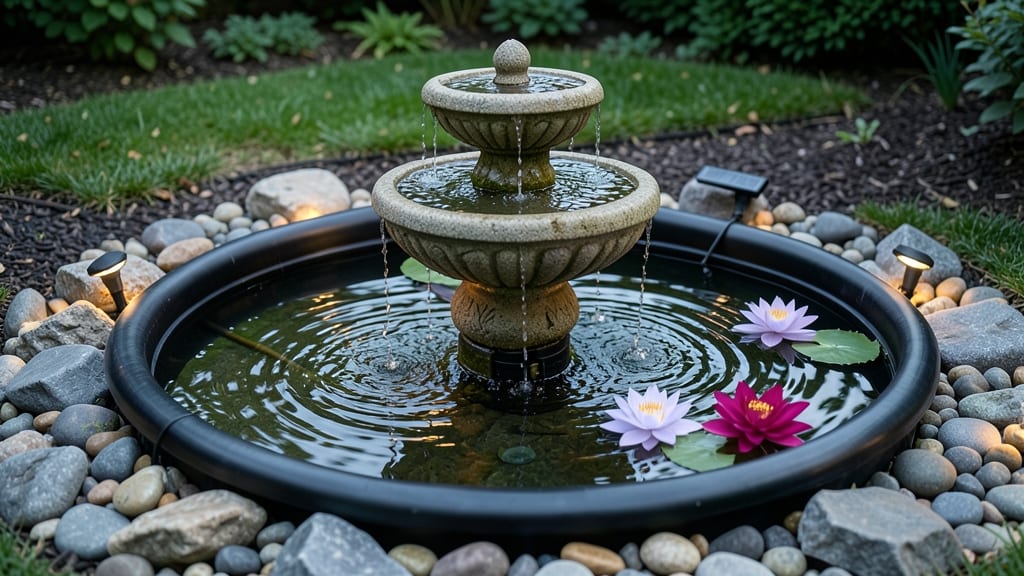
Maintaining clean garden fountain water involves weekly debris removal, monthly partial water replacements (20-30%), and consistent use of fountain-safe algaecides or diluted hydrogen peroxide. Regular pump checks and strategic shade placement further prevent murky buildup and algae outbreaks.
Clean fountain water isn't just about aesthetics—it's about creating a healthy ecosystem for your fountain and preventing costly repairs. 💫 The right balance of maintenance keeps water crystal clear while protecting your pump from damage caused by mineral deposits or organic buildup.
I've found that using a UV clarifier alongside chemical treatments can cut algae regrowth by nearly 50%, especially in warmer months when growth accelerates. For fountains in direct sunlight, consider adding floating water plants like water hyacinths—they naturally filter debris while providing shade for the water below.
Seasonal adjustments matter too: in winter, reduce water changes to every 6-8 weeks since cooler temperatures slow algae growth, but never let water sit completely stagnant. The key is consistency—skipping even one weekly skimming session can lead to a rapid decline in water quality.
I always recommend keeping a fountain maintenance kit handy with a net, algaecide, and pH test strips to handle issues before they become visible problems.
💡 In This Article
- Why Garden Fountain Water Turns Green or Cloudy
- Step-by-Step Fountain Water Care Routine for Long-Term Clarity
Why garden fountain water turns green or cloudy
The green or cloudy appearance in your fountain water is almost always caused by microscopic algae blooms, which thrive in warm, stagnant water. These single-celled organisms like Chlorella and Spirogyra multiply rapidly when exposed to sunlight, doubling their population every 24-48 hours during summer months.
The chlorophyll they produce gives water that telltale green tint, while bacterial films create a slimy, cloudy layer. Even just 2-3 days of neglect can transform clear water into a murky mess, especially in temperatures above 70°F.
Mineral buildup from hard water (high calcium/magnesium content) accelerates this process by creating a film that traps organic debris and sunlight. You'll notice this as a white, chalky residue on rocks or pump surfaces, which acts like a fertilizer for algae.
Soft water fountains, while less prone to mineral deposits, can still develop bacterial colonies if left untreated. The pH level also plays a role—water with a pH between 6.5-8.5 stays clearer longer, while extremes (below 6.0 or above 9.0) encourage harmful bacteria growth. 🌿
Organic debris like fallen leaves, bird droppings, or even pollen becomes a buffet for microbes when it sits in water. A single leaf can introduce thousands of bacteria that break down into nutrients algae crave.
The worst offenders are fountains placed in direct sunlight with no shade—UV rays not only fuel algae growth but also accelerate water evaporation, increasing mineral concentration.
I've seen fountains in full sun develop visible algae in just 5-7 days during peak summer, while shaded fountains maintain clarity for 2-3 weeks longer.
Bacterial growth often starts invisible but becomes apparent as a slimy film or foul odor. Common culprits include Pseudomonas and Legionella species, which thrive in warm, nutrient-rich water. These bacteria can damage pump seals over time, leading to costly repairs.
The key difference between algae and bacteria is their response to treatment: algae turns green and floats, while bacteria creates a sticky, often colorless film that clings to surfaces. Testing your water with a fountain test kit ($15-$25) can identify which problem you're dealing with.
Hard water fountains develop mineral deposits that look like white crust, while soft water fountains may show brown stains from dissolved organic matter. The texture difference is striking—hard water deposits feel gritty and chalky, while organic stains have a slimy, almost waxy consistency.
Both types create ideal conditions for microbial growth by providing surfaces for colonies to attach. Regular maintenance disrupts this cycle by removing nutrients before they become problems. 💧
Seasonal changes dramatically affect water quality—spring brings increased organic debris from trees, while fall's cooler temperatures slow algae growth but don't stop it completely. Winter maintenance is often overlooked, but even in cold months, water should be changed every 6-8 weeks to prevent stagnation.
The science shows that water temperature below 50°F reduces algae growth by 70%, but doesn't eliminate it entirely. That's why year-round consistency in maintenance is crucial for preventing those sudden green outbreaks.