Watering
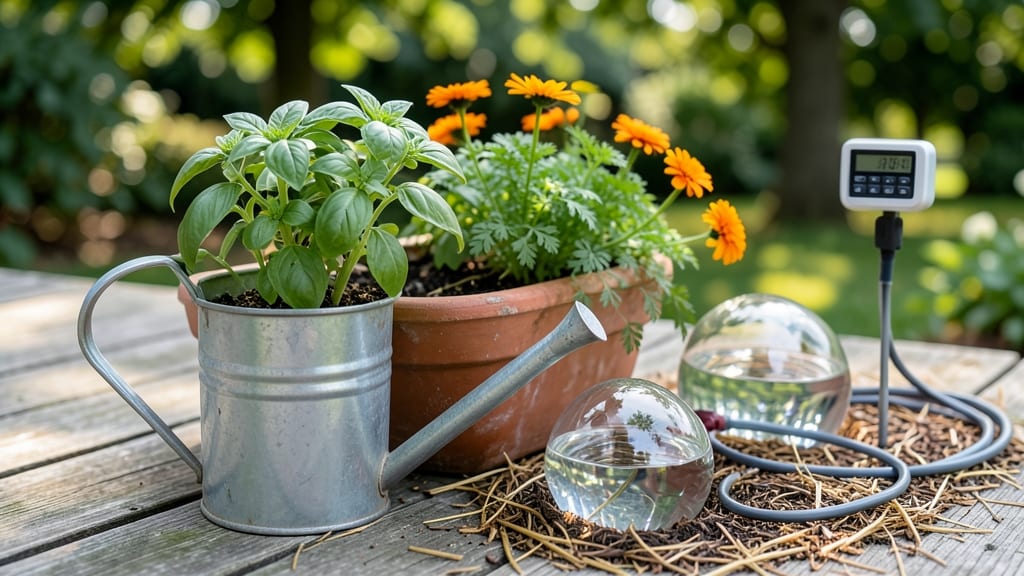
To water your garden while away without stressing over thirsty plants, automated systems and clever DIY tricks make it easier than you’d think.
Picture this: you’re 1,000 miles away, but your tomatoes are still perky and your herbs aren’t wilting. It’s not magic—it’s smart watering. Whether you’re gone for a weekend or a month, the right setup keeps your 🌱 General Garden thriving without daily trips to the hose.
From budget-friendly buried bottles to high-tech drip irrigation, there’s a solution for every garden size and budget. The key is matching the method to your plants’ needs—drought-tolerant succulents handle neglect better than leafy greens, for example—and avoiding overwatering disasters while you’re out of town.
Below, I’ll walk you through the top automated options, easy DIY hacks, and a pre-trip checklist to set your garden up for success—so you can relax knowing your green babies are taken care of.


Best automated watering systems for long-term garden care
When you're planning a vacation or simply need to step away from your garden for a few days, automated watering systems become your best friend. These systems eliminate the guesswork and ensure your plants receive the right amount of water, even when you're not around.
I've tested and compared the top options to help you choose the perfect fit for your garden's needs and your budget.
Automated systems range from simple, affordable solutions to high-tech, smart controllers that adjust watering based on weather forecasts. Whether you have a small container garden or a sprawling backyard, there's a system designed to keep your plants hydrated without the daily hassle.
Let's dive into the best options available today and see which one aligns best with your gardening goals.
Drip irrigation systems are a favorite among gardeners because they deliver water directly to the roots, reducing waste and preventing fungal diseases. They're ideal for larger gardens and vegetable plots where precise watering is crucial. On the other hand, smart sprinklers offer convenience and can cover broader areas, making them perfect for lawns and flower beds.
For those with limited space or container gardens, self-watering pots and wicking beds provide a hands-off approach without requiring complex setups. Each system has its strengths, and the right choice depends on your garden's size, your plants' needs, and how long you'll be away.
Below is a detailed comparison to help you decide which automated watering system is best suited for your long-term garden care needs.
| System Type | Best For | Garden Size | Setup Difficulty | Cost Range | Pros | Cons |
|---|---|---|---|---|---|---|
| Drip Irrigation | Vegetable gardens, flower beds, large plots | Medium to Large | Moderate | $50-$300 | Water-efficient, customizable, reduces weeds | Requires initial setup, clogging risk |
| Smart Sprinklers | Lawns, flower beds, mixed gardens | Small to Large | Easy | $100-$500 | Weather-based adjustments, app control, broad coverage | Higher initial cost, may overwater |
| Self-Watering Pots | Container gardens, herbs, small plants | Small | Very Easy | $20-$100 | Portable, no setup, great for travel | Limited capacity, not for large plants |
| Wicking Beds | Vegetable gardens, raised beds | Medium | Moderate | $100-$400 | Low maintenance, consistent moisture, great for drought-prone areas | Requires initial setup, not for all plant types |
| Soaker Hoses | Flower beds, shrubs, small gardens | Small to Medium | Easy | $30-$150 | Affordable, easy to install, gentle watering | Limited coverage, may need multiple hoses |
If you have a large garden or vegetable plot, a drip irrigation system is my top recommendation. These systems are highly customizable, allowing you to target specific plants with precise watering schedules.
They're also water-efficient, which is great for both your wallet and the environment. For example, I used a drip
DIY watering hacks to save money and keep plants hydrated
When you're traveling or busy, your garden shouldn’t suffer from neglected watering. The good news? You don’t need expensive systems to keep your plants thriving. With a few budget-friendly hacks, you can create a self-sustaining watering system that’s gentle on your wallet and your plants.
These methods are perfect for small gardens, container plants, or even large beds—without breaking the bank.
From repurposing household items to creating passive water delivery systems, these solutions are simple, effective, and customizable. The best part? They prevent root rot and overwatering while you’re away, ensuring your greenery stays healthy.
Whether you’re growing herbs, vegetables, or flowers, these tricks will keep your garden hydrated with minimal effort.
3 Easy DIY Watering Systems for Any Garden
- 1. Buried Clay Pots – Fill unglazed clay pots with water and bury them near plant roots. The water slowly seeps into the soil, providing moisture for up to 3-5 days. Perfect for drought-prone plants like tomatoes and peppers.
- 2. Recycled Bottle Drip System – Poke small holes in plastic bottles, fill them with water, and invert them near plant bases. The water drips out gradually, keeping soil moist for 5-7 days. Great for container gardens and hanging plants.
- 3. Wicking Beds – Layer landscape fabric at the bottom of a raised bed, then place a reservoir of water below. The fabric wicks moisture upward, keeping roots hydrated for 1-2 weeks. Ideal for water-loving plants like lettuce and basil.
Let’s start with the buried clay pot method, a timeless technique that’s been used for centuries. Unglazed clay pots absorb water and release it slowly into the soil, mimicking natural rainfall. This method works best in well-draining soil and is especially effective for deep-rooted plants like rosemary or lavender.
To set it up, dig a hole near your plant’s root zone, place the pot upside down, and fill it with water. The pot will release moisture as the soil dries out, ensuring consistent hydration.
For container gardens, the recycled bottle system is a game-changer. You can use old plastic bottles, milk jugs, or even soda bottles—just poke small holes in the cap and along the sides. Fill the bottle with water, invert it near your plant, and let gravity do the work.
This method is zero-cost and can be adjusted based on your plant’s thirst. For example, herbs like thyme need less water than leafy greens, so you can control the flow by adding or removing holes.
If you’re dealing with water-loving plants or a raised bed, a wicking bed is a smart investment. This system uses capillary action to draw water from a reservoir to the root zone, keeping soil moist without the risk of overwatering.
To build one, line the bottom of your raised bed with landscape fabric, add a waterproof barrier, and place a reservoir at the base. Fill the reservoir with water, and the fabric will wick moisture upward as needed.
This method is perfect for extended trips and works wonders for plants like strawberries or lettuce.
No matter which method you choose, always monitor soil moisture before leaving. Stick your finger an inch into the soil—if it’s dry, your system isn’t releasing enough water. Adjust by adding more pots, bottles, or water to the reservoir.
And remember, mulching around your plants will help retain moisture and reduce evaporation, giving your DIY system an extra boost.
With these low-cost, high-impact hacks, you can keep your garden hydrated without the stress of daily watering. Whether you’re off for a weekend or a month, your plants will thank you with lush, healthy growth. Happy gardening! 🌱💧