
Tools
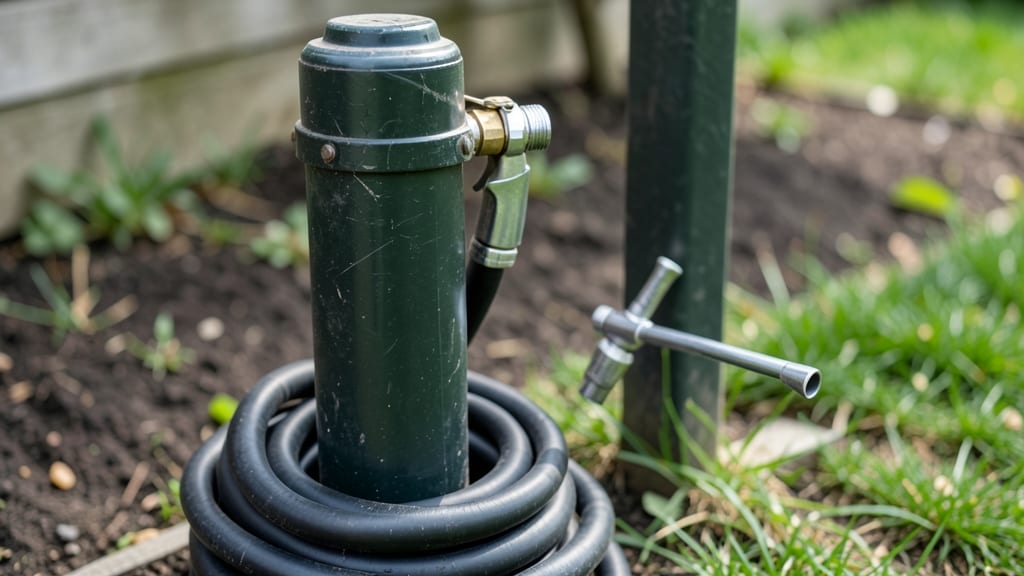
Setting up a garden hose post involves anchoring a sturdy stake into the ground, attaching the hose with a secure clamp or strap, and ensuring proper drainage to protect against rust. Always use a level for straight installation and inspect connections seasonally for leaks or wear.
A garden hose post isn't just a holder—it's the foundation for your outdoor watering system's reliability. 🔥 The right materials (like galvanized steel for durability or UV-resistant plastic for lightweight use) can extend its lifespan by years, especially in harsh climates.
I always recommend digging the stake at least 12 inches deep for stability, then using a quick-release clamp for easy hose changes without damaging the threads.
Proper drainage holes in the base prevent water buildup that causes rust, while a level ensures the post stays upright even after seasonal ground shifts.
For maintenance, I check my hose post twice a year—once before summer watering and again after winter—to tighten any loose connections and replace worn straps. A 5-minute inspection now can save you from a $20 replacement later when a leaky connection ruins your garden hose.
The key is balancing security (so it doesn't topple) with accessibility (so you can detach hoses without tools).
💡 In This Article
- Choosing the Right Materials for Durable Garden Hose Posts
- Step-by-Step Guide to Installing and Securing a Hose Post
Choosing the right materials for durable garden hose posts
The material of your garden hose post directly impacts its lifespan and performance. Galvanized steel posts, coated with zinc, resist corrosion better than plain steel but can still rust in wet climates over time. Stainless steel offers superior corrosion resistance, especially in coastal areas where salt air accelerates metal degradation.
For a lighter, budget-friendly option, UV-resistant plastic posts work well in dry climates but may crack under extreme freeze-thaw cycles. 🔥
Weight capacity varies dramatically—galvanized steel posts typically support 50-100 pounds, while stainless steel can handle 100-200 pounds or more. Plastic posts usually max out at 25-50 pounds, making them ideal for lightweight hoses but unsuitable for heavy-duty applications like irrigation systems.
The hose type matters too: rubber hoses (heavier) require sturdier posts, while vinyl hoses (lighter) can use plastic options.
Climate plays a critical role in material selection. In regions with freeze-thaw cycles, metal posts expand and contract, risking cracks at the base. Plastic posts avoid this issue but may become brittle over time.
UV exposure degrades unprotected plastic within 2-3 years, while metal posts last 5-10 years with proper coatings. For coastal areas, stainless steel is non-negotiable due to salt corrosion.
Long-term stability depends on the post's design. Metal stakes with flared bases distribute weight better than narrow spikes, reducing the risk of tilting. Plastic posts often feature wider footprints for better ground grip.
If your yard has loose soil, consider adding a concrete footing for extra support—this elevates the post above ground level, preventing water damage and improving drainage.
Another key factor is the clamp material. Metal clamps (brass or stainless steel) resist corrosion but may over-tighten vinyl hoses, causing cracks. Plastic clamps are gentler but less durable. Quick-release clamps (with a lever mechanism) offer convenience for frequent hose changes, while screw-on clamps provide tighter security for heavy-duty use.
Match the clamp to both your hose type and post material for longevity. ✨
For maximum durability, I recommend stainless steel posts in harsh climates and galvanized steel in moderate conditions. Plastic posts shine in low-maintenance setups with lightweight hoses. Always check the manufacturer's weight rating and climate suitability before purchasing—skipping this step can lead to costly replacements down the line.