
Tools
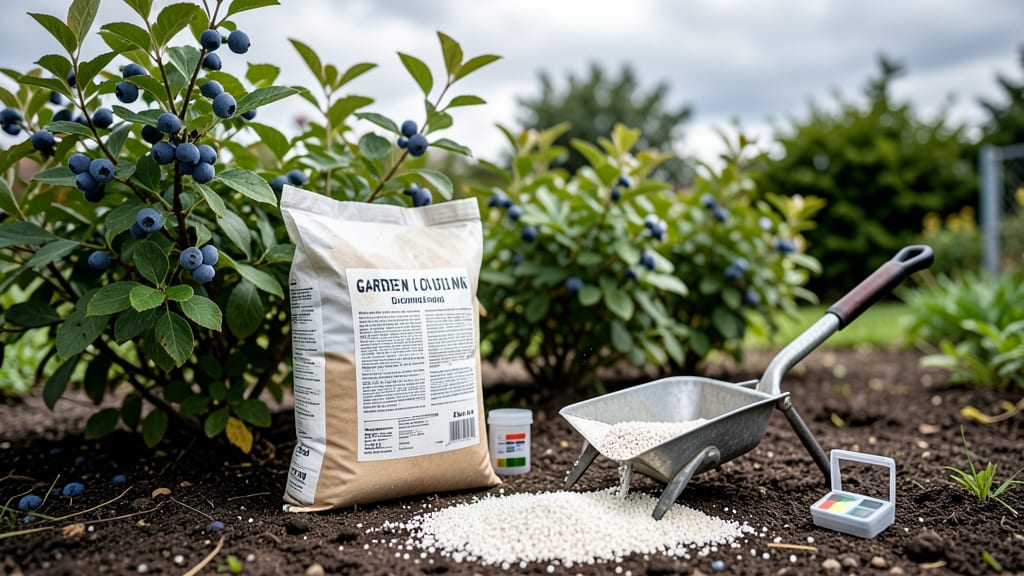
Garden lime uses go beyond soil pH adjustments—they include pest deterrence, compost acidity neutralization, and lawn revitalization by breaking up compacted soil for healthier roots. Always use it sparingly to prevent soil over-alkalization.
Garden lime isn't just about raising soil pH—it acts like a natural pest repellent by disrupting the mucus trails of slugs and snails, making your garden less inviting to them. 🌿 The gritty texture also creates a physical barrier that deters burrowing insects.
For lawns, it works wonders by softening hardpan, allowing water and nutrients to reach grass roots more effectively. Just remember: a little goes a long way, and testing your soil first helps avoid overdoing it.
When dealing with acidic compost piles, a light sprinkle of garden lime can neutralize excess acidity, preventing nutrient loss and promoting healthier decomposition. This is especially useful for gardeners who rely on homemade compost for nutrient-rich soil.
The key is to apply it evenly and monitor the compost's pH over time to maintain balance.
💡 In This Article
- How Garden Lime Repels Common Garden Pests
- Reviving Compacted Lawns with Garden Lime
How garden lime repels common garden pests
Garden lime works as a natural pest deterrent primarily through its chemical composition—calcium carbonate disrupts the mucus trails that slugs and snails rely on for movement. These pests produce a slimy substance to glide across surfaces, but the gritty texture of lime creates friction that makes navigation difficult.
Studies show that even a light dusting can reduce slug populations by up to 70% in treated areas, as the abrasive particles irritate their delicate foot pads. 🔥
The effectiveness isn't just physical—lime also alters the soil's chemistry, making it less hospitable for burrowing insects like cutworms and grubs. When applied at 20-30 pounds per 1,000 square feet, it creates an alkaline environment that many pests avoid.
The key is timing: apply lime in early spring before pests become active, and reapply after heavy rains, which can wash it away. For best results, combine it with other organic deterrents like diatomaceous earth for a multi-layered defense.
What makes this method particularly appealing is its safety—unlike chemical pesticides, garden lime is non-toxic to plants, pets, and humans. The calcium carbonate breaks down naturally in the soil, leaving no harmful residues.
However, avoid overapplying, as excessive lime can create a crust on the soil surface that might actually trap moisture, creating ideal conditions for fungal growth. Always test your soil's pH first to determine the right amount.
For targeted pest control, focus on areas where slugs and snails are most active, such as near hosta plants or under dense mulch. A 1-inch band of lime around vulnerable plants creates a natural barrier without harming beneficial insects like ladybugs or bees.
The visual contrast of the white powder against green foliage also acts as a deterrent, as many pests avoid areas that look "unnatural" to them.
One common misconception is that lime only works for slugs and snails, but its gritty texture also deters larger pests like rabbits and deer. These animals avoid areas where the soil is coarse, making lime-treated zones less appealing for grazing.
The same principle applies to burrowing rodents—lime's abrasive quality makes tunneling more difficult, reducing damage to roots and bulbs. 🌱
To maximize effectiveness, apply lime when the soil is slightly moist (not soggy) to help it adhere better to plant surfaces. Water lightly after application to settle the particles without washing them away. This method works particularly well in vegetable gardens, where chemical pesticides are often avoided.
Just remember: while lime is safe, always wear gloves and a dust mask when handling it to protect your skin and lungs from irritation.