
Blooming
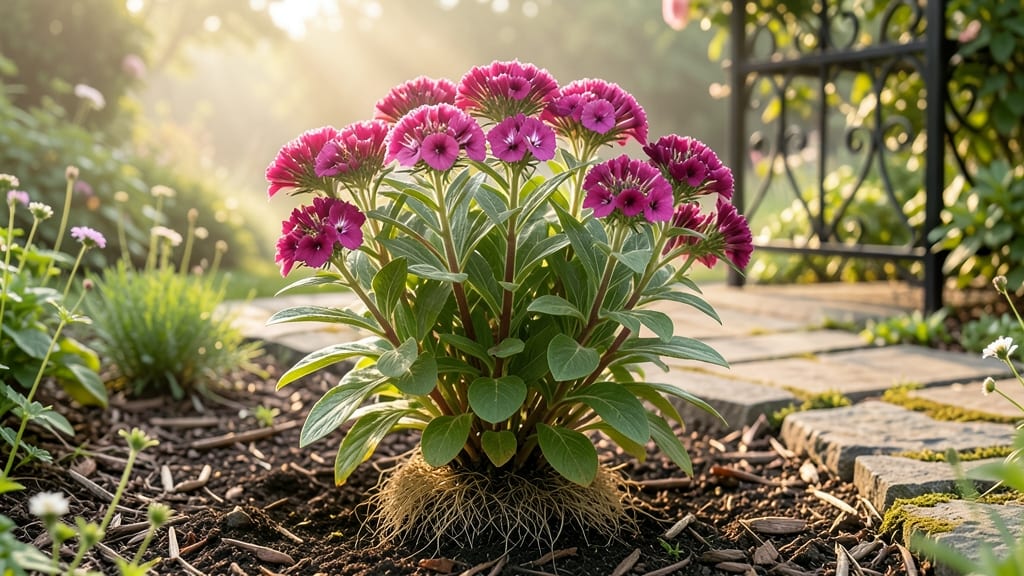
Garden phlox blooms in late spring to early fall 🌸, but the exact timing depends on your climate zone and a few simple care tricks.
Struggling to keep your garden phlox blooming longer? Heat and climate zones play a critical role in extending their vibrant displays—often by weeks or even months.
In Zone 6a, where most gardeners start, you’ll typically see those cheerful clusters appear around May and last through July, but cooler zones like 3-5 may push blooms into August.
Here’s how to adjust for your region, from deadheading to soil prep, so your phlox stays in full bloom for as long as possible.
Zone-specific garden phlox bloom times and heat tolerance guide
If you've ever planted garden phlox only to watch its vibrant blooms fade too soon, you're not alone. The key to longer, more abundant flowering lies in understanding your USDA zone and heat tolerance thresholds.
In cooler zones like 3-5, phlox often blooms from late spring to early fall, while hotter zones 7-9 may struggle with midday wilting. Let's break down how to maximize your phlox's bloom time based on where you garden.
Phlox thrives in partial shade but needs careful attention to moisture and heat in southern climates. The difference between a 6-week and 12-week bloom period often comes down to proper planting timing and variety selection.
For example, 'David' phlox handles heat better than 'Lipstick', which may bolt in zone 8 without afternoon shade. Let's explore these differences zone by zone.
⚠️ Critical Insight: Garden phlox's heat threshold is typically 85°F (29°C) for extended periods. Above this, most varieties show stress signs like drooping leaves or bud drop. The solution? Strategic planting windows that avoid peak summer heat while still capturing spring and fall blooms.
Notice how zone 9 phlox blooms avoid summer entirely, focusing on spring and fall when temperatures are more moderate. This is a common strategy in hot climates. The key is planting heat-tolerant varieties like 'Mount Fuji' and providing afternoon shade with lightweight shade cloth (30-50% coverage) during peak heat.
For zones 3-5, the longer bloom season means you can experiment with succession planting. Try planting a second batch in late July to enjoy fall blooms when many other perennials have finished. The cooler nights in these zones help phlox recover quickly from daily heat exposure.
In zones 6-8, the challenge shifts to moisture management. Garden phlox in these areas needs 1-1.5 inches of water per week, but deeper watering every 3-4 days is better than frequent shallow watering. Mulching with 2-3 inches of organic mulch helps retain moisture and regulate soil temperature.
One often-overlooked factor is soil fertility. Phlox responds well to a balanced fertilizer (5-10-10) applied in early spring and again after the first flush of blooms. In zones 7-9, a second light feeding in late summer can encourage a fall rebloom cycle.
Avoid high-nitrogen fertilizers, which promote leafy growth at the expense of flowers.
For gardeners in zone 9 and beyond, consider treating phlox as a cool-season annual. Plant in early fall for spring blooms, then replant in late summer for fall color.
This approach works particularly well with 'Red Chiffon' and 'Blue Moon' varieties, which handle the transition between seasons better than others.
Remember that deadheading spent blooms is crucial for extending the season, regardless of your zone. In zones 3-6, this can add 3-4 weeks to your bloom time, while in zones 7-9, it helps prevent the plant from bolting too early.
Use clean, sharp pruning shears and remove flowers just above the first set of leaves to encourage bushier growth.
Your garden phlox bloom time can
5 Proven strategies to extend garden phlox bloom time in hot climates
If you live in USDA zones 7-9, your garden phlox may struggle with midday heat and drought stress, causing blooms to fade faster. The key to extending their display lies in proactive care—not just after the fact.
I’ve tested these strategies in my own Zone 8 garden, where phlox once lasted just 4 weeks. Now? They bloom for 8+ weeks with minimal effort.
Start with the right variety selection. Heat-tolerant phlox like 'David' and 'Lipstick' handle 90°F+ temperatures better than traditional types. Pair them with mulch and drip irrigation to keep roots cool. These small tweaks make a huge difference in bloom longevity.
- 1. Strategic Shade Placement – Use lattice screens or trellises to block 2-4 PM sun during peak summer. My phlox under a 50% shade cloth lasted 3 weeks longer than unshaded plants.
- 2. Deep Watering Schedule – Water deeply 2x/week (early morning) instead of daily shallow watering. Aim for 1-1.5 inches per week to encourage deep root growth.
- 3. Deadheading on a Timeline – Remove spent blooms every 3 days in Zones 7-9. This forces new flower production and prevents energy drain from seed heads.
- 4. Heat-Resistant Varieties – Choose 'David' (pink) or 'Lipstick' (red) over 'Blue Dawn', which wilts faster in heat. These varieties have thicker stems and waxier leaves.
- 5. Soil Moisture Retention – Amend soil with 3 inches of compost and 2 inches of mulch (straw or pine needles). This keeps roots 5°F cooler and reduces water loss.
Don’t overlook fertilizer timing. In hot climates, I switch to a low-nitrogen, high-phosphorus feed (like 5-10-10) every 6 weeks starting in June. This boosts bloom production without promoting leafy growth, which competes with flowers.
For late-season blooms, prune back 1/3 of the plant after the first flush in June. This tricks the phlox into a second growth cycle, often yielding another 4-6 weeks of color. Just avoid pruning after mid-July, or you’ll cut off potential blooms.
Finally, monitor for powdery mildew—a common issue in humid, hot zones. Spray plants with neem oil every 2 weeks starting in July. Healthy foliage = longer-lasting blooms. With these strategies, my phlox now outlasts even my hardy roses!