
Pests
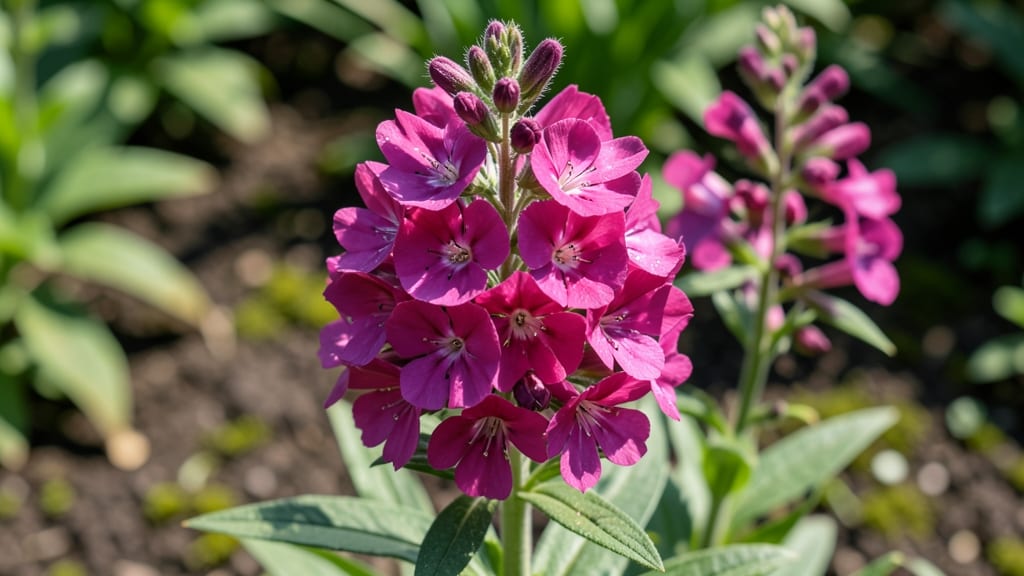
For deer-resistant garden phlox, choose varieties like Phlox paniculata ‘David’, Phlox maculata ‘Sweet William Mix’, and Phlox subulata (moss phlox), which deer typically avoid due to their strong fragrance, fuzzy foliage, or bitter compounds. Plant them in well-drained soil with morning sun and afternoon shade for best results.
Deer tend to steer clear of these phlox types because their natural defenses include pungent aromas and textured leaves that lack the tender appeal deer seek. 🌿 The ‘David’ variety, for example, produces fragrant blooms that repel browsers, while moss phlox grows low to the ground, making it harder for deer to reach.
These plants also thrive in partial shade, which can further reduce deer interest by limiting their visibility in the garden.
To maximize protection, pair these phlox with other deer-deterring plants like lavender or Russian sage. Mulching with coarse bark helps disguise plant scent while improving soil drainage—key for keeping phlox healthy in areas where deer browse frequently.
💡 In This Article
- Why Deer Avoid Certain Phlox Varieties
- Best Deer-Resistant Phlox Planting and Care Tips
Why deer avoid certain phlox varieties
Deer have an incredibly sensitive sense of smell—up to 1,000 times more acute than humans—and they rely on it to identify food sources. The phlox varieties deer avoid, like Phlox paniculata ‘David’, produce volatile oils in their leaves and stems that emit a strong, almost medicinal fragrance.
These oils, specifically terpenes and phenols, create an aroma that deer find unpleasant, similar to how they avoid strongly scented herbs like rosemary or thyme. 🌿 Unlike milder phlox varieties, such as Phlox divaricata (wild blue phlox), which have minimal scent, these resistant types actively repel browsers through their chemical defenses.
Texture also plays a critical role. Deer prefer tender, smooth foliage that’s easy to browse, but varieties like Phlox subulata (moss phlox) have needle-like, fuzzy leaves that feel coarse to the touch. This rough texture makes the plant less appealing and harder for deer to consume without discomfort.
Additionally, some phlox contain bitter alkaloids, natural compounds that create an unpleasant taste—almost like consuming a mild version of foxglove, which deer instinctively avoid. For example, Phlox maculata ‘Sweet William Mix’ contains higher levels of these compounds compared to its more vulnerable cousins.
Light exposure further influences deer resistance. Phlox varieties that thrive in partial shade (like morning sun with afternoon shade) tend to grow more compact and less palatable. Deer are less likely to venture into shaded areas where visibility is reduced, and the cooler temperatures make the plants less appealing.
In contrast, fully sun-exposed phlox may grow taller and more tender, becoming prime targets. The combination of strong scent, rough texture, and strategic lighting creates a multi-layered defense system that deer simply bypass. 🌞
Comparing vulnerable phlox like Phlox divaricata to resistant types reveals key differences. Vulnerable varieties often have delicate, broad leaves with minimal scent and a soft texture—ideal for deer grazing. They lack the chemical defenses found in resistant phlox, making them an easy snack.
Meanwhile, resistant types invest energy into producing fragrant compounds and tougher foliage, prioritizing survival over rapid growth. This evolutionary trade-off explains why deer avoid certain phlox entirely while happily munching others.
Another factor is the height and growth habit of the plant. Deer typically target phlox that grow 2-3 feet tall, as these are within their browsing range.
However, moss phlox stays low to the ground (usually under 6 inches), making it harder for deer to reach—especially when planted in clusters. This low-growing habit, combined with its fuzzy texture, creates a physical barrier that deters even curious browsers.
The science here is simple: deer prefer easy, accessible meals, and resistant phlox varieties make them work for it. 🦌
Finally, the seasonal timing of deer activity matters. In early spring, when deer are most hungry, they may still nibble on young phlox shoots. However, once the plants develop their full fragrance and texture in late spring and summer, deer lose interest.
This seasonal shift explains why some gardeners notice damage early in the year but see their resistant phlox thrive once fully mature. Understanding this pattern helps in planning plantings for maximum protection.