
Pruning
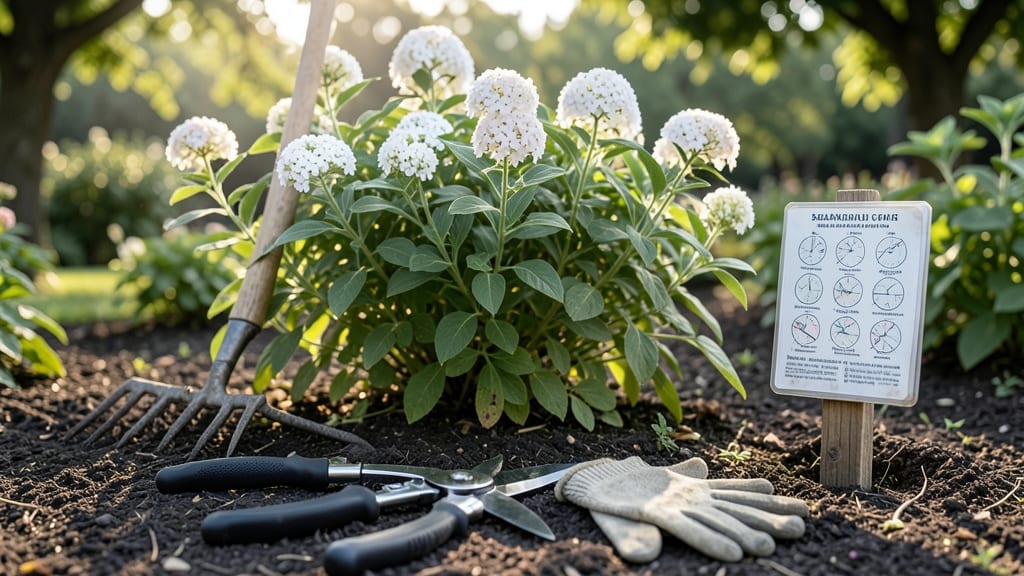
Cutting back garden phlox in late summer is the best way to ensure a show-stopping display of blooms next year—if you do it right.
Struggling to decide when to trim your garden phlox without sacrificing next year’s vibrant blooms? Timing this task wrong can mean fewer flowers—or even losing your plant entirely.
Most gardeners wait until fall, but that’s too late. The ideal window is August through early September, when phlox has finished flowering but still has time to regrow before winter. This simple shift makes all the difference for healthier stems and bigger blooms.
Below, I’ll walk you through the exact steps—including how to tell when your phlox is ready, what to avoid, and how to protect it through the cold months—so you can enjoy more flowers next spring.
The best time to cut back garden phlox for healthy regrowth
Cutting back garden phlox at the wrong time can mean fewer blooms next year or even plant stress. The key is late summer—when your phlox has finished flowering but still has time to harden off before winter.
This 4-6 week window (typically August to early September) gives your plant the best chance to recover and regrow strong stems for spring.
Phlox is a perennial workhorse that thrives when pruned correctly. If you cut too early, you’ll stunt next year’s growth. If you wait too long, you risk weak stems and winter rot.
The ideal timing depends on your USDA hardiness zone, bloom cycle, and local climate. Let’s break it down so you can prune with confidence.
Why late summer? After phlox blooms in June or July, it starts storing energy in its roots for next year. Cutting back too soon removes photosynthetic leaves before this process completes. Waiting too late leaves weak stems vulnerable to frost and disease. The sweet spot is when 70-80% of foliage is still green but blooms have faded.
To spot when your garden phlox is ready for cutting, look for three key signs. First, check if 70% of the foliage is still green—this means the plant has enough energy to regrow roots.
Second, confirm that no new buds are forming (this signals the end of the bloom cycle). Finally, inspect the stem bases: if they’re brown but not mushy, it’s time to prune.
In cooler climates (Zones 3–5), aim to finish pruning by early September. This gives your phlox 6–8 weeks to recover before winter. In warmer zones (6–9), you can wait until mid-to-late September, but avoid cutting after first frost, as this stresses the plant.
Always prune on a dry, sunny day to prevent disease spread.
One common mistake is cutting too aggressively. Never remove more than 1/3 of the plant’s height—this ensures next year’s blooms won’t be stunted. Use clean, sharp pruners and cut just above a leaf node (where new growth emerges). This encourages bushier growth and healthier stems for spring.
After pruning, mulch your phlox with 2–3 inches of organic matter (like shredded leaves or straw). This insulates roots in winter and suppresses weeds. In Zones 3–5, add an extra 2–4 inches of mulch for extra frost protection.
Avoid heavy mulch in Zones 8–9, as it can trapped moisture and cause rot.
If you miss the late-summer window, don’t panic. In Zones 6–9, you can prune lightly in early spring (March–April) to shape the plant. However, avoid heavy cuts—this can delay blooming by 2–4 weeks.
For Zones 3–5, wait until late spring (after last frost) to clean up dead stems and fertilize lightly.
Remember, phlox is forgiving but timing matters. By pruning in late summer, you’re setting your plant up for a spectacular spring show. Next year, you’ll reward yourself with taller stems, more blooms, and healthier foliage—all because you pruned at the perfect time
Step-by-step guide: how to prune phlox without killing next year’s flowers
Pruning garden phlox correctly ensures stronger stems and more abundant blooms next season—but only if you follow the right steps. The key is timing, technique, and knowing what to leave behind.
I’ve pruned hundreds of phlox plants, and these proven methods will help you avoid the most common mistakes that lead to weak growth or even plant death.
Start by waiting until late summer (August–early September) when phlox has finished flowering. This timing gives your plants enough time to regrow before winter sets in. If you prune too early, you risk stunting new growth, while pruning too late can leave stems vulnerable to frost damage.
Now, let’s break down the exact steps to follow for a healthy, thriving phlox.
When and How to Prune Garden Phlox
- 1 Wait for the right time: Prune after all blooms have faded and stems turn brown, typically in August–early September. Avoid cutting back before mid-July to allow time for new growth.
- 2 Identify dead vs. living stems: Snip off only the dead or brown foliage. Healthy stems will still have green leaves near the base. Leave 1/3 of the foliage to protect the plant over winter.
- 3 Use sharp, clean tools: Grab bypass pruners or sharp shears and cut at a 45-degree angle just above a leaf node. Avoid tearing stems, which can introduce disease.
- 4 Clean up and protect: Remove all cuttings and debris from the garden to prevent fungal diseases. Apply a 2-inch layer of mulch around the base to insulate roots for winter.
After pruning, your phlox will need extra care to recover. Water deeply once a week if rainfall is scarce, and avoid fertilizing until early spring. This gives the plant time to establish new roots before the growing season kicks in.
In cold climates (zones 3–5), consider adding a light frost blanket over the mulch for added protection.
One of the biggest mistakes I see is over-pruning—cutting back too much foliage in late summer. Phlox needs some leaves to photosynthesize and store energy for next year’s blooms.
Aim to leave at least 1/3 of the plant’s height intact. If you’re unsure, err on the side of caution and leave more foliage than you think you should.
With these steps, your garden phlox will thrive next season, producing taller stems and more vibrant flowers than ever before. The secret is patience and precision—don’t rush the process, and your phlox will reward you with a stunning display. Happy pruning! 🌸