
Landscaping
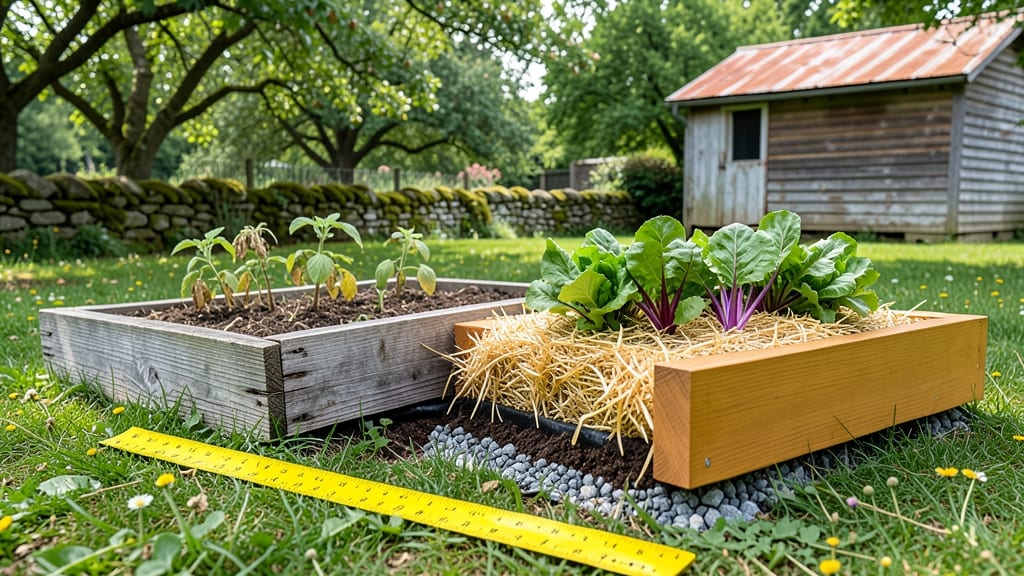
Making raised garden beds the right height is the secret to maximum yield and easier maintenance — too shallow, and roots struggle; too tall, and you waste materials and labor.
Struggling to decide how tall your raised garden beds should be? The right height isn’t just about aesthetics—it’s the difference between struggling plants and a thriving, high-yield harvest. Let’s break down the science of raised bed heights to match your crops perfectly.
For vegetables like carrots and potatoes, 12 inches deep gives roots room to grow, while herbs and greens thrive in just 6 inches. But accessibility matters too: taller beds (up to 24 inches) make gardening easier for kids or wheelchair users.
Below, I’ll walk you through the perfect heights for every plant type, how to balance drainage and soil depth, and why 4 feet wide is the magic number for reach and space efficiency.


Optimal raised garden bed heights by plant type for best growth
Choosing the right raised garden bed height isn’t just about fitting your plants—it’s about unlocking their full potential. Too shallow, and deep-rooted crops like carrots will struggle; too tall, and you might waste resources.
The ideal height depends on your plant types, climate, and even your soil quality. Let’s dive into the science behind bed heights to maximize your harvest.
Most gardeners start with a 6- to 12-inch soil depth, but that’s just the baseline. Root vegetables like potatoes and parsnips need 18+ inches of space to thrive, while leafy greens like lettuce can thrive in just 6 inches.
The key is matching your bed height to your crops’ needs while balancing drainage, temperature control, and ease of maintenance.
Drainage is one of the biggest benefits of raised beds—extra height prevents waterlogging, especially in clay-heavy soils. A 12-inch bed offers enough depth for most vegetables while improving airflow at the roots. For sandy soils, you might even go deeper to retain moisture. Meanwhile, taller beds (18+ inches) help insulate roots from temperature swings, protecting heat-sensitive crops like tomatoes.
Here’s how to match your raised bed height to your garden’s needs, broken down by plant type:
For root vegetables, deeper beds mean fewer forking carrots and straighter beets. I’ve seen 24-inch beds nearly double the yield of carrots compared to 12-inch beds. The extra depth also helps in heavy clay soils, where roots can’t penetrate easily.
If you’re growing potatoes, aim for 24–30 inches—this gives tubers room to expand without competing for space.
On the flip side, shallow plants like lettuce and herbs don’t need much depth. A 6–12-inch bed is perfect for these, saving materials and making it easier to rotate crops. I’ve used 8-inch beds for microgreens with amazing results—they germinate faster and stay crisp longer.
Just be mindful of soil compaction; adding compost to shallow beds helps maintain loose, fertile soil.
Temperature plays a hidden role in bed height. Taller beds (18+ inches) warm up faster in spring, giving a head start to heat-loving plants like tomatoes and peppers. In my garden, taller beds produce ripe tomatoes 2–3 weeks earlier than shorter ones.
For cooler climates, this early warmth can extend your growing season significantly. Conversely, in hot summers, taller beds can help insulate roots from extreme heat.
Accessibility is another factor—especially if you have kids, elderly family, or mobility challenges. A 12-inch bed is the sweet spot for most gardeners, offering enough depth for most crops while keeping the soil level comfortable to reach.
I’ve built beds with 2-inch-high edges to make weeding and harvesting easier without sacrificing soil depth. For wheelchair users, consider 24-inch-high beds with ramps for accessibility.
One common mistake is overestimating how much soil you need. Fill beds with a mix of topsoil, compost, and organic matter—never just dirt. This blend improves drainage and aeration while providing nutrients. I’ve seen beds filled with pure topso
How to adjust raised bed height for soil quality and drainage
Adjusting your raised bed height isn’t just about fitting plants—it’s about creating the perfect environment for their roots. Compacted soil or poor drainage can stunt growth, while too much height wastes resources.
The key is balancing soil depth, moisture retention, and root space based on your climate and plant types.
For example, sandy soils need deeper beds to retain moisture, while clay-heavy soils benefit from extra height to improve drainage. 12-18 inches is ideal for most vegetables, but herbs and greens thrive in shallower beds. Let’s explore how to customize your bed height for optimal soil performance.
⚠️ Common Mistake: Over-Filling with Rocks
Adding a thick layer of rocks at the bottom for drainage can actually restrict root growth. Instead, use a 4-6 inch layer of coarse sand or gravel only if your native soil is extremely dense. Most raised beds don’t need it—focus on well-aerated soil mixes instead.
Start by testing your soil’s drainage. Fill a jar with soil, add water, and observe how quickly it drains. If water pools after 30 minutes, your bed needs extra height (up to 24 inches) to prevent waterlogging.
For sandy soils, prioritize moisture retention with organic matter like compost or coconut coir.
Climate plays a huge role too. In hot, dry regions, taller beds (18-24 inches) help insulate roots and reduce water loss. Meanwhile, in humid climates, slightly shorter beds (12-16 inches) with raised edges prevent overflow during heavy rains. Always leave 2-3 inches of headspace for mulch and topsoil.
Don’t forget about accessibility! Taller beds (up to 30 inches) make weeding and harvesting easier for kids or wheelchair users, but ensure the sides are sturdy and slip-resistant. Use cedar or composite lumber for longevity—avoid treated wood, which can leach chemicals into your soil.
Finally, balance aeration with root space. Loosen the bottom 6 inches of soil during construction to encourage root penetration. For heavy feeders like tomatoes or squash, add a 5-10 inch layer of compost at the base. This creates a nutrient-rich zone while preventing compaction.