
Aphids
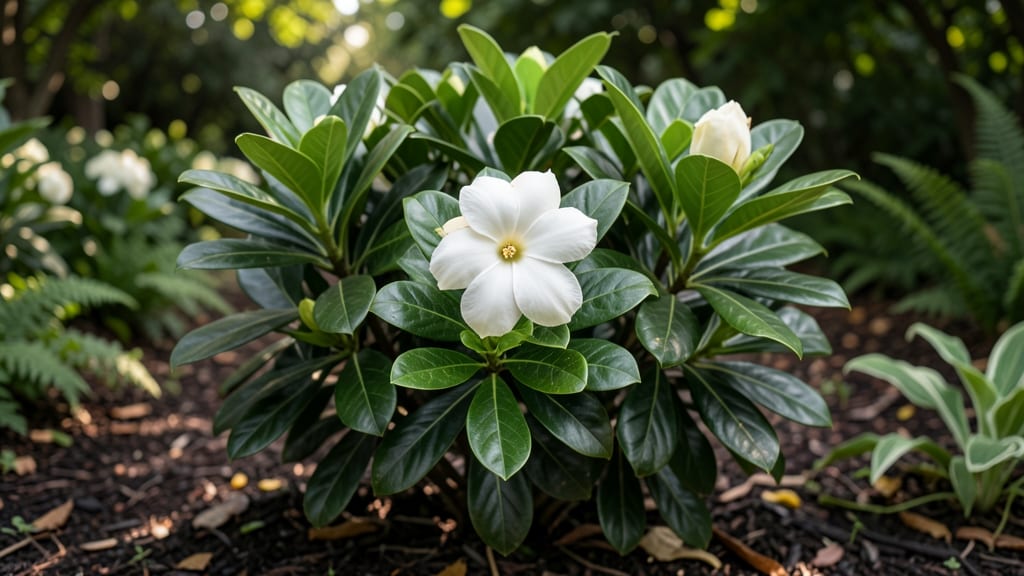
Understanding a gardenia’s mature height and width is the secret to pruning like a pro and spacing them just right for a fragrant, full-blooming display 🌸.
If you’re dreaming of fragrant white blooms but struggling with gardenia spacing or pruning, knowing the exact mature height and width of your variety is the first step to success—avoid overcrowding or underutilized space with this essential guide.
Some gardenias stay compact at just 2–3 feet, while others stretch to 6 feet or more, and their width can vary just as dramatically. That means your pruning approach, container size, or landscape layout depends entirely on the type you’ve chosen.
Below, I break down the size ranges by popular varieties, how to adjust pruning for each, and the spacing rules that keep your gardenias thriving without competing for resources.

Gardenia mature height and width by variety: a complete size guide
If you’re planning your garden layout or dreaming of fragrant gardenias in containers, understanding the mature height and width of each variety is crucial. Gardenias vary dramatically—from compact 2-foot dwarf shrubs to towering 6-foot specimens—so choosing the right variety for your space ensures healthy growth and stunning blooms.
Let’s explore the most popular types and their growth patterns to help you make informed decisions.
Knowing these dimensions helps with everything from container selection to landscape spacing. For example, a Gardenia jasminoides ‘Kleim’s Hardy’ stays under 3 feet tall, perfect for small gardens, while ‘Radicans’ can sprawl up to 8 feet wide.
These differences directly impact pruning needs, sunlight exposure, and even watering frequency. Let’s dive into the specifics so you can plan your gardenia garden like a pro.
📌 Pro Tip: Always check the growth habit (upright, bushy, or trailing) when selecting varieties. Upright types like ‘Veitchii’ need vertical space, while trailing varieties like ‘Fortuniana’ thrive in hanging baskets or along fences.
| Variety | Mature Height | Mature Width | Growth Habit | Best For |
|---|---|---|---|---|
| Gardenia jasminoides 'Kleim’s Hardy' | 2–3 ft | 3–4 ft | Bushy, upright | Cold-hardy zones, containers |
| Gardenia jasminoides 'Radicans' | 3–4 ft | 6–8 ft | Trailing, sprawling | Fences, trellises, large containers |
| Gardenia jasminoides 'Veitchii' | 4–6 ft | 4–5 ft | Upright, pyramidal | Hedges, formal gardens |
| Gardenia jasminoides 'Fortuniana' | 2–3 ft | 3–5 ft | Bushy, rounded | Borders, small gardens |
| Gardenia augusta | 6–10 ft | 8–12 ft | Large shrub/tree-like | Tropical landscapes, large estates |
| Gardenia jasminoides 'Mystery' | 1–2 ft | 2–3 ft | Compact, bushy | Containers, window boxes |
For container gardening, prioritize dwarf varieties like ‘Kleim’s Hardy’ or ‘Mystery’. These stay under 3 feet tall and thrive in 15–20 gallon pots, making them ideal for patios or balconies. Just ensure your container has drainage holes and use a well-draining potting mix to prevent root rot.
If you’re planting in landscape beds, leave 3–6 feet of space between gardenias to allow airflow and reduce disease risk. For example, ‘Radicans’ with its 6–8 foot spread needs room to trail gracefully, while ‘Veitchii’ can be spaced 4–5 feet apart for a neat, upright hedge.
Always consider the mature width to avoid overcrowding.
Pruning is easier when you know your gardenia’s growth habit. Upright varieties like ‘Veitchii’ benefit from light pruning in late winter to shape their pyramidal form, while trailing types like ‘Radicans’ may need regular trimming to control their sprawl.
Always use sterilized pruners and remove no more than 25% of the plant in one session.
For tropical varieties like Gardenia augusta, expect 6–10 feet of height and 8–12 feet of width. These are best suited for large gardens or tropical climates (USDA zones 10–11).
If you’re in a cooler zone, opt for hardy hybrids like ‘Kleim’s Hardy’, which tolerate down to zone 6 with proper winter care.
Monitor your gardenia’s growth annually. If a plant outgrows its space, prune back selectively in early spring before new growth begins.
For container-grown gardenias, check root growth by gently removing the plant from its pot—if roots circle the bottom, it’s time to repot or prune roots to encourage bushier growth.
Remember, soil acidity (pH 5.0–6.5) and consistent moisture are key to maintaining healthy growth. Overwatering can stunt growth, while drought stress may cause leaf drop. Adjust your care routine based on your gardenia’s mature size—larger varieties need more water and nutrients than compact
How to prune gardenias based on their mature size and growth pattern
Pruning gardenias isn’t one-size-fits-all—it depends entirely on their mature height and width. A compact 2-foot dwarf variety needs gentle shaping, while a 6-foot standard shrub requires structural pruning to maintain airflow and bloom production.
The key is matching your technique to the plant’s natural growth pattern, whether it’s upright, bushy, or trailing.
For most gardenias, late winter or early spring (just before new growth starts) is the ideal time to prune. This timing ensures you remove dead or weak branches while encouraging vigorous spring blooms.
Summer pruning is possible but riskier—it can reduce next year’s flower production if done too aggressively. Always use sterilized, sharp pruners to prevent disease spread.
Your pruning approach also shifts based on the plant’s growth habit. Upright varieties like ‘Kleim’s Hardy’ benefit from selective thinning to open the center, while bushy types such as ‘Radicans’ thrive with light tip-pruning to encourage branching. Trailing varieties may need horizontal layering to control sprawl.
⚠️ WARNING: Over-Pruning Risks Pruning too much—especially in one session—can shock gardenias and reduce next year’s blooms by removing too many flower buds. Never trim more than 1/3 of the plant’s height or width at once, and avoid cutting into old wood, which won’t regrow.
Pests like aphids or scale often exploit over-pruned stress points, so always inspect cuts for signs of infestation.
Start by removing dead, diseased, or crossing branches first. These compete for resources and disrupt airflow, which is critical for preventing fungal issues like powdery mildew.
For shaping, focus on outer growth to maintain the plant’s natural form—never shear into a ball shape, as gardenias bloom on new wood and need light penetration to thrive.
Use bypass pruners for clean cuts on stems thicker than ¼ inch, and hand pruners for finer branches. For larger shrubs, a pruning saw may be needed, but make cuts just outside the branch collar to promote faster healing.
Always seal larger cuts with pruning sealant to prevent moisture loss and infection.
After pruning, monitor your gardenia’s recovery closely. If new growth appears yellow or stunted, it may signal root damage or over-trimming. Adjust your approach for next year—perhaps opt for lighter pruning or a different season.
With the right technique, your gardenia will reward you with lush foliage and fragrant blooms for years to come. 🌿