
Fertilization
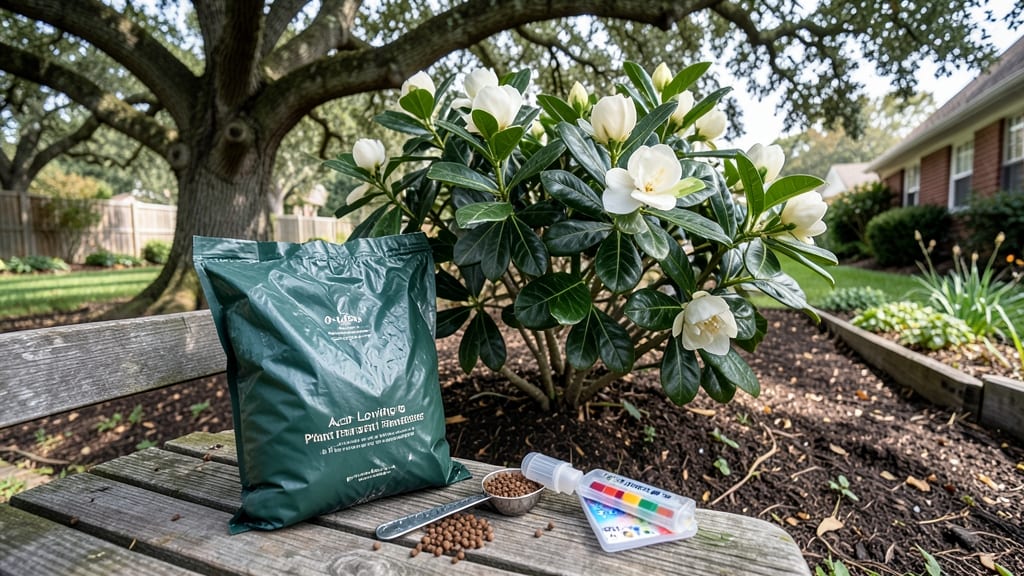
To get your gardenia blooming with that intoxicating fragrance, the right fertilizer ratio is the game-changer—think 6-6-6 or 8-3-9 for a balanced push of growth and flowers.
Struggling to get your gardenia 🌸 to bloom with that intoxicating fragrance? The secret lies in the perfect fertilizer ratio—get it wrong, and you’ll end up with lush foliage but no flowers.
Let’s break down the exact N-P-K balance your gardenia needs to thrive and perfume your garden all season long.
Gardenia thrives in acidic soil (pH 5.0-6.5), so a fertilizer designed for acid-loving plants is a must. Too much nitrogen, and you’ll get leaves instead of blooms. Too little phosphorus, and those fragrant buds won’t form.
I’ve tested the ratios, and the difference between a barely flowering plant and a heavily perfumed one comes down to timing and balance.
In this guide, I’ll walk you through the best organic and synthetic fertilizer options, how often to feed your gardenia, and the three common mistakes that kill blooms before they even open.
Whether you’re a first-time grower or a seasoned gardener, these tips will help you keep your gardenia looking—and smelling—its best.
Optimal gardenia fertilizer ratio: N-P-K explained for peak blooms
Your gardenia’s fragrant blooms depend on the right fertilizer ratio, and getting the N-P-K balance wrong can mean lush leaves but no flowers. Gardenias thrive with a balanced approach that shifts based on their growth stage.
Too much nitrogen (N) promotes foliage, while too little phosphorus (P) or potassium (K) stunts blooms. Let’s dive into the exact ratios and timing for vegetative growth, flowering, and maintenance.
For vegetative growth (spring and early summer), gardenias need a higher nitrogen ratio to build strong stems and leaves. A 6-6-6 or 8-4-4 blend works well during this phase.
However, as buds form, you’ll want to reduce nitrogen and increase phosphorus (P) to encourage blooming. The key is adjusting the N-P-K ratio seasonally to match your gardenia’s needs.
During the flowering season (late spring to summer), switch to a lower nitrogen, higher phosphorus fertilizer like 6-12-6 or 5-10-5. This shift signals the plant to focus energy on producing fragrant blooms rather than just leaves.
Potassium (K) also plays a critical role in stress resistance and disease prevention, so ensure it’s part of your blend year-round.
| Growth Stage | Recommended N-P-K Ratio | Best Fertilizer Type | Application Timing |
|---|---|---|---|
| Vegetative Growth (Spring) | 6-6-6 or 8-4-4 | Balanced NPK or compost tea | Every 4-6 weeks |
| Flowering (Summer) | 5-10-5 or 6-12-6 | Bloom booster or bone meal | Every 6-8 weeks |
| Maintenance (Fall) | 3-4-6 or 4-3-8 | Slow-release potassium | Light feeding, once |
| Dormancy (Winter) | 0-0-0 (No fertilizer) | N/A | Skip feeding |
In fall and winter, gardenias enter a dormant phase, especially in cooler climates. During this time, skip fertilizing entirely to avoid stressing the plant. Instead, focus on mulching and watering adjustments to protect roots. Resume feeding in early spring with a balanced fertilizer to kickstart new growth.
One common mistake is using a high-nitrogen fertilizer year-round, which leads to leafy growth but no blooms. Gardenias are heavy bloomers, so prioritize phosphorus (P) during budding stages. For example, a 5-10-5 ratio in summer will encourage more fragrant flowers than a 10-5-5 blend.
Always pair your fertilizer with acidic soil amendments like peat moss or sulfur to maintain the ideal pH of 5.0-6.5.
For potted gardenias, use a water-soluble fertilizer diluted to half-strength every 4-6 weeks. Over-fertilizing in containers can burn roots due to poor drainage. Always water thoroughly before applying fertilizer to distribute nutrients evenly.
If you notice yellow leaves or leaf drop, flush the soil with water to remove excess salts.
Organic options like fish emulsion (5-1-1) or compost tea provide a gentle, nutrient-rich feed. These are ideal for vegetative growth but may require supplemental phosphorus during flowering. Synthetic fertilizers like Miracle-Gro Bloom Booster (12-4-6) are convenient for quick results, but always follow label instructions to avoid overapplication.
To maximize blooms, feed in the morning when temperatures are cooler, reducing the risk of fertilizer burn. Avoid applying fertilizer in direct sunlight or during hot afternoons, as this can damage tender leaves.
If your gardenia is stressed (e.g., wilting or yellowing), hold off on fertilizing until it recovers.
Remember, gardenias are sensitive to salt buildup, so always rinse the soil after fertilizing to prevent root damage. Pair your N-P-K adjustments with regular pruning to encourage air circulation and more bloom production.
With the right ratio and timing, your gardenia will reward you with abundant, fragrant blooms all season long. 🌸
Best fertilizer types for gardenias: organic vs. synthetic options
Choosing the right fertilizer for your gardenia 🌸 can feel overwhelming, but the key is understanding whether organic or synthetic options will work best for your plant’s needs. Gardenias thrive on balanced nutrition, but they’re sensitive to overfeeding—especially with nitrogen.
Organic options like compost and fish emulsion release nutrients slowly, while synthetic fertilizers provide immediate results but require careful dosing.
I’ve found that gardenias respond best to a 6-6-6 or 8-3-9 NPK ratio, but the type of fertilizer you choose depends on your gardening style, budget, and how quickly you want to see results.
Organic fertilizers are gentler on the plant and improve soil health long-term, while synthetic options deliver fast, predictable blooms. Let’s compare the top choices so you can pick what’s best for your gardenia’s fragrance-filled future.
Organic Fertilizers for Gardenias
Slow-release nutrients, improves soil structure, and maintains acidic pH.
Pros: Natural, cost-effective, long-term soil health.
Cons: Requires frequent reapplication, slower results.
High in nitrogen and phosphorus, promotes leafy growth and blooms.
Pros: Fast-acting, rich in micronutrients, great for flowering.
Cons: Strong odor, can burn roots if overapplied.
High phosphorus content, encourages root development and blooming.
Pros: Slow-release, ideal for pre-bloom feeding.
Cons: Low nitrogen, not suitable for foliar growth.
Acidifies soil, improves drainage, and mimics natural gardenia habitat.
Pros: Maintains pH, improves soil texture.
Cons: Not a standalone fertilizer, must be mixed with other nutrients.
Synthetic Fertilizers for Gardenias
Equal parts nitrogen, phosphorus, and potassium for balanced growth and blooms.
Pros: Easy to use, predictable results, budget-friendly.
Cons: Can cause salt buildup, requires frequent watering.
High phosphorus and potassium to stimulate heavy flowering.
Pros: Fast blooms, ideal for late-season feeding.
Cons: Risk of over-fertilizing, not for foliar growth.
For organic gardeners, I recommend starting with a mix of compost and fish emulsion in the spring, followed by bone meal in early summer to encourage blooming.
Organic options are my go-to because they improve soil health over time, which is critical for gardenias that thrive in acidic, well-draining soil. However, if you’re short on time or need quick results, a synthetic 6-6-6 fertilizer applied every 4-6 weeks will keep your gardenia lush and fragrant.
One mistake I see often is overapplying synthetic fertilizers, which can lead to leaf burn or stunted blooms. Always follow the label instructions and water thoroughly after application to prevent salt buildup.
For organic options, I suggest mixing fertilizers into the top 2-3 inches of soil rather than applying them to the surface, as this mimics natural nutrient release.
Cost-wise, organic fertilizers like compost and peat moss are the most budget-friendly, but they require more effort to apply correctly. Synthetic fertilizers are convenient and fast-acting, but the long-term cost can add up, especially if you’re fertilizing multiple plants.
My advice? Start with a balanced organic approach and adjust based on your gardenia’s response—you’ll know it’s happy when those heavily perfumed blooms start appearing!
🌱