
Container Gardens
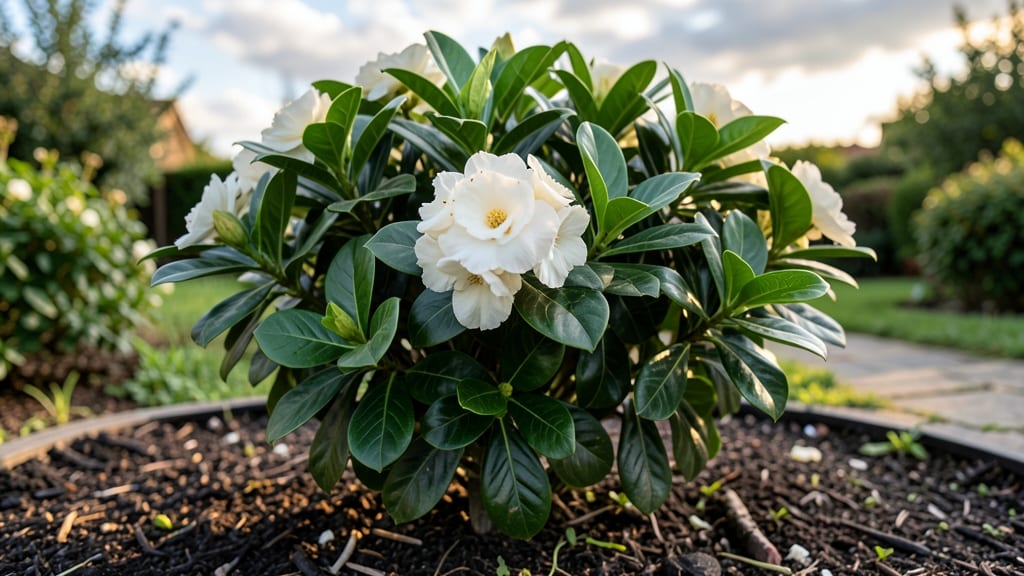
Growing gardenias in your zone depends on warmth, humidity, and a few clever tricks to protect them from frost—because these fragrant 🌸 shrubs love the heat but can’t handle cold snaps.
Struggling to grow gardenias in your climate? These fragrant bloomers thrive in specific zones—but with the right varieties and care, you can enjoy their intoxicating scent year after year—even in cooler regions.
Most gardenias prefer USDA zones 7 through 10, where they bask in humidity and bask in temperatures above 50°F. But if you’re in zones 5 or 6, don’t give up: cold-hardy varieties like ‘Radicans’ and smart container gardening can make it work.
In this guide, I’ll walk you through the best zones for gardenias, how to pick the right variety for your area, and pro tips for keeping them blooming—whether you’re in a tropical paradise or a chilly backyard.
USDA growing zones for gardenias: where they thrive best
If you've ever dreamed of filling your garden with the intoxicating scent of gardenias, you're not alone! These tropical beauties thrive in USDA zones 7-11, where warm climates and high humidity create perfect conditions.
But don't despair if you live outside these zones—I've grown gardenias successfully in zone 6 using the right techniques and cold-hardy varieties. The key is understanding their climate needs and adapting your care routine accordingly.
Gardenias are semi-tropical plants that love warmth but can tolerate brief cold snaps with proper protection. In their native zones 7-10, they reward gardeners with glossy evergreen foliage and creamy white, highly fragrant blooms from spring through fall.
However, their sensitivity to frost means gardeners in cooler zones must choose hardier varieties and implement protective strategies to enjoy these fragrant shrubs.
| USDA Zone | Climate Conditions | Best Varieties | Care Adjustments |
|---|---|---|---|
| Zones 7-8 | Humid subtropical, mild winters | 'Kleimschmidtiana', 'Radicans' | Light winter mulch, protect from late frosts |
| Zones 9-10 | Warm coastal, minimal frost | 'Capitata', 'Fortuniana' | Morning sun, afternoon shade |
| Zones 10-11 | Tropical, hot summers | 'Veitchii', 'Mystery' | Consistent moisture, high humidity |
| Zones 5-6 | Cold winters, short growing season | 'Radicans', 'Kleimschmidtiana' | Container growing, winter protection |
For gardeners in zones 7-8, you're in the sweet spot for gardenia cultivation. These areas provide enough warmth to support year-round growth while still having cool winters that won't shock the plants. Varieties like 'Kleimschmidtiana' and 'Radicans' are particularly well-suited, offering larger blooms and better cold tolerance.
In these zones, focus on well-draining, acidic soil (pH 5.0-6.5) and provide partial shade during the hottest afternoons to prevent leaf scorch.
If you live in zones 9-10, you'll find gardenias thrive with minimal care adjustments. The key here is heat management—these zones can get intensely hot, especially in inland areas. Choose varieties like 'Capitata' or 'Fortuniana', which handle humid conditions better than others.
Provide morning sun and afternoon shade, and ensure consistent moisture—gardenias in these zones often struggle with heat stress when soil dries out too quickly.
Gardeners in zones 10-11 enjoy the most tropical conditions for gardenias, but this doesn't mean they're low-maintenance plants. The intense heat and high humidity can actually stress gardenias if not managed properly.
Focus on soil moisture—these plants hate drying out—and consider mulching heavily to retain moisture. Varieties like 'Veitchii' and 'Mystery' perform exceptionally well here, producing abundant blooms when given the right care.
For those in zones 5-6, growing gardenias is challenging but not impossible. The secret lies in cold-hardy varieties and protective strategies. 'Radicans' and 'Kleimschmidtiana' are your best bets—they can tolerate temperatures down to 15°F with proper winter protection.
I've had success growing these in large containers that I bring indoors during winter or wrap in burlap and cover with straw mulch. Another trick is planting near south-facing walls to absorb heat during the day.
Regardless of your zone, soil pH is critical for gardenia success. These plants are acid-loving and will struggle to bloom if your soil is too alkaline. Test your soil and amend with peat moss or sulfur to maintain a pH between 5.0 and 6.5.
In container gardening, use a specialized acidic potting mix and fertilize with acid-loving plant food every 4-6 weeks during the growing season. This simple adjustment can transform a struggling plant into a bloom-covered beauty.
One common mistake I see is overwatering in cooler zones. While gardenias need consistent moisture, waterlogged soil can cause root rot, especially in containers. In zones 5-6, reduce watering in fall and winter and always ensure containers have drainage holes.
For zones 10-11, the challenge shifts to preventing drought stress—consider installing a drip irrigation system to maintain even moisture levels
Cold-hardy gardenia varieties: how to grow them in zones 5-6
Gardenias are tropical divas that typically prefer USDA zones 7-10, but with the right cold-hardy varieties and protective strategies, you can grow them successfully in zones 5-6. The key lies in selecting microclimates, using insulated containers, and implementing seasonal care adjustments to shield them from harsh winters.
For gardeners in colder regions, varieties like 'Radicans' and 'Kleimschmidtiana' are your best bets—they can tolerate brief dips to 20°F with proper protection. These shrubs thrive in humid, sheltered spots where they receive morning sun and afternoon shade, mimicking their native tropical environments.
⚠️ Critical Warning for Zone 5-6 Gardeners
Frost kills gardenias instantly. Even cold-hardy varieties need insulation, mulching, and container protection to survive winter. Without these measures, your plant will suffer irreversible damage when temperatures drop below 30°F. Plan your winter strategy now—delaying protection until after the first frost is too late.
Start by selecting a southern or western exposure for your gardenia, as these areas capture more warmth. If planting in the ground, choose a sheltered microclimate like near a brick wall or under the eaves of your house.
In containers, opt for insulated pots with built-in heat sinks or use self-watering planters wrapped in bubble wrap for extra insulation.
For winter protection, apply a 4-6 inch layer of mulch around the base of your gardenia in late fall. Use straw or pine needles—they insulate roots while allowing moisture to penetrate.
In containers, move pots to an unheated garage or basement where temperatures stay above 35°F, and wrap them in burlap or frost cloth for added defense against freezing winds.
Prune your gardenia in early spring (March) to remove any frost-damaged branches. Focus on shaping the shrub while preserving its natural form—gardenia blooms form on new wood, so avoid heavy pruning.
After the last frost, transplant container-grown gardenias into the ground or return them to their outdoor spots, ensuring they have consistent moisture to recover from winter dormancy.
To maximize blooms, feed your gardenia with an acid-loving fertilizer (like 10-10-10) in early spring and summer, and maintain high humidity by misting leaves or placing the pot on a pebble tray with water.
With these strategies, your cold-hardy gardenia will reward you with fragrant white blooms from summer through fall—even in chilly climates! 🌸