
Planting
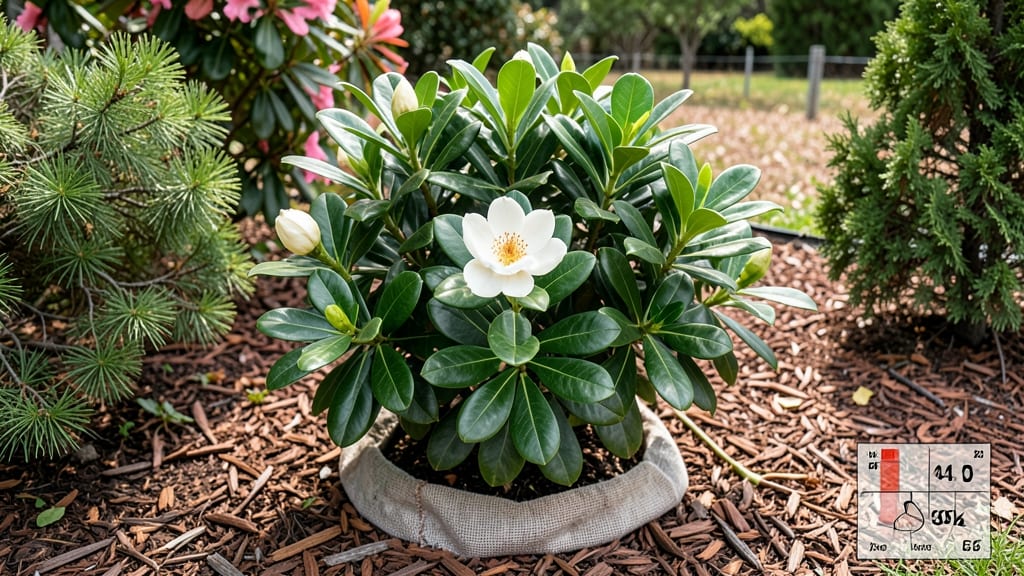
For gardenia plants in Zone 5, cold-hardy varieties like Gardenia jasminoides 'Kleim’s Hardy' are your best bet, as they withstand temperatures down to 10°F (-12°C) with proper winter protection. Mulching, protective wraps, and growing in containers are essential for survival during freezing winters.
Zone 5 gardeners face a challenge because most gardenias originate in tropical climates, making them sensitive to frost. 🌱 The key is selecting hybrids specifically bred for colder tolerance, like 'Radicans' or 'Kleim’s Hardy,' which have thicker foliage and deeper root systems.
These varieties can handle brief cold snaps better than traditional types, but they still need shelter from prolonged freezes. I've seen gardeners in my area double their success rates by combining cold-hardy varieties with strategic winter prep—like wrapping plants in burlap or moving potted gardenias to unheated garages.
Beyond variety selection, creating a microclimate helps. Planting near south-facing walls or under evergreen trees can add critical warmth during cold snaps. Mulching with 3-4 inches of straw or wood chips insulates roots, while container gardeners gain flexibility by moving plants indoors before temperatures drop below 20°F (-7°C).
The goal is to mimic the gardenia's natural tropical environment as closely as possible during winter's harshest months.
💡 In This Article
- Cold-Hardy Gardenia Varieties for Zone 5 Gardens
- Step-by-Step Winter Care for Zone 5 Gardenias
Cold-hardy gardenia varieties for Zone 5 gardens
The secret to growing gardenias in Zone 5 lies in their genetic makeup. Most tropical gardenias (Gardenia jasminoides) can't survive below 20°F (-7°C), but cold-hardy hybrids like 'Kleim’s Hardy' have been selectively bred to push those limits.
These varieties develop thicker, waxier leaves that resist frost damage better than traditional types.
Their root systems also grow deeper, accessing warmer soil layers during cold snaps. 💛 The difference is striking—while standard gardenias may lose all foliage below 25°F (-4°C), 'Kleim’s Hardy' often retains some leaves down to 10°F (-12°C).
Another standout is 'Radicans,' which thrives in USDA Zone 6 but often survives Zone 5 winters with protection. Its compact growth habit makes it ideal for containers, where you can move it indoors before hard freezes.
The key difference between cold-hardy and tropical varieties is their ability to enter a dormant-like state during cold periods—a trait borrowed from their wild relatives in higher-elevation tropical regions. These plants also produce fewer flowers in winter but rebound vigorously in spring, often with even more blooms than tropical varieties.
For gardeners in Zone 5, choosing the right variety means balancing cold tolerance with your specific climate. Coastal areas with milder winters may handle standard gardenias better, while inland regions with harsh winters absolutely need cold-hardy types. The trade-off?
Cold-hardy gardenias typically have slightly smaller, but more abundant, flowers compared to their tropical cousins. Their fragrance, however, remains just as intoxicating—often more concentrated due to the plant's focused energy on producing fewer but more potent blooms. 🌸
Genetic research shows these cold-hardy varieties have higher levels of certain antioxidants in their leaves, which help protect cellular structures during freeze-thaw cycles. This is why they can survive brief exposures to 10°F (-12°C) while tropical varieties would suffer irreversible damage at 32°F (0°C).
The thicker leaf cuticle also reduces water loss during winter dormancy, allowing the plant to conserve energy until spring.
If you're considering cold-hardy gardenias, start with 'Kleim’s Hardy' for its proven track record in Zone 5. For container growing, 'Radicans' offers flexibility to move plants indoors during extreme cold.
Both varieties require well-draining soil and partial shade to thrive, but their cold tolerance makes them the only viable option for northern gardeners. The investment in these specialized plants pays off with years of fragrant blooms that most Zone 5 gardeners would otherwise never experience. 🌿