
Pruning
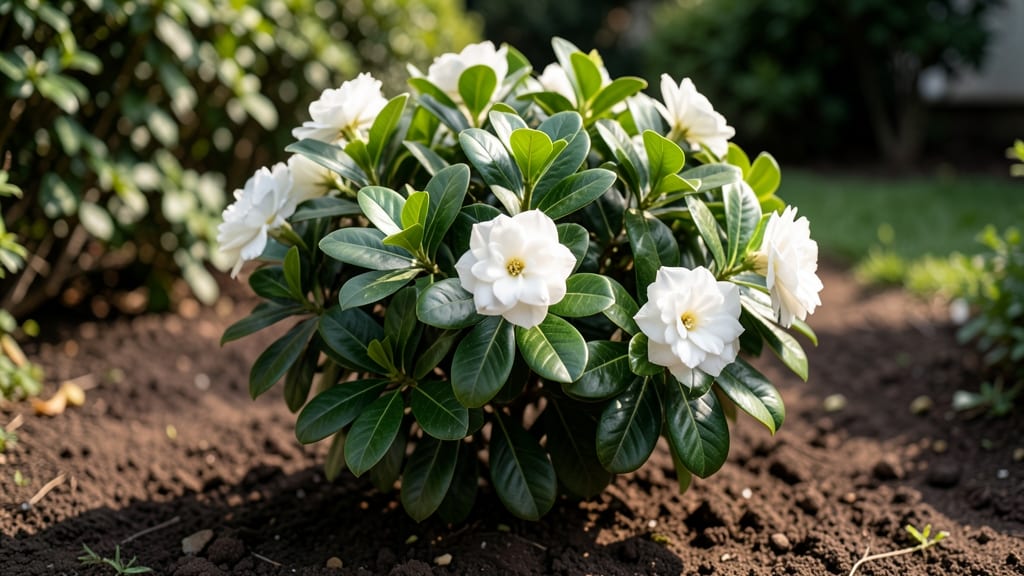
A gardenia tree’s size can transform your yard from a cozy corner to a fragrant focal point — or turn it into a pruning project if you misjudge its potential.
Picture this: a 15-foot specimen casting shade over your patio, its glossy leaves perfuming the air, or a compact 3-foot shrub tucked into a planter for balcony elegance. The difference? The variety you choose and the care you give it.
Most gardenias mature between 6 and 15 feet tall, but dwarf types stay under 5 feet—and that spread matters just as much as height.
I’ll break down how to pick the right size for your space, plus pruning secrets to keep it in check without sacrificing those iconic white blooms.
Whether you’re planning a spring planting or troubleshooting an overgrown gardenia, you’ll leave here knowing exactly how big your plant will get—and how to shape it for years of fragrant success.


Gardenia tree size by variety: exact mature heights and growth habits
Choosing a gardenia variety means deciding between a compact shrub or a towering specimen. The mature size determines your pruning needs, spacing, and even sunlight exposure. For example, Gardenia jasminoides can reach 10–15 feet if unpruned, while dwarf varieties stay under 3 feet.
Knowing these details helps you plan your garden layout and maintenance schedule.
Gardenias grow at different rates based on their genetic potential and environmental conditions. Some varieties, like Gardenia augusta, grow 2–3 feet per year in ideal conditions, while others like Gardenia radicans (Cape Jasmine) have a sprawling habit with a wider spread than height.
Let’s break down the most popular varieties and their exact mature dimensions.
Note: Gardenias thrive in USDA Zones 7–11 and prefer acidic, well-draining soil (pH 5.0–6.5). Their growth rate slows in cooler climates or poor soil conditions. Always consider your local climate when selecting a variety.
Pro Tip: Prune gardenias after flowering to control size. Heavy pruning can reduce blooms the following year, so light shaping is often better for maintaining flower production.
| Variety | Mature Height (ft) | Spread (ft) | Growth Rate (in/year) | Notes |
|---|---|---|---|---|
| Gardenia jasminoides | 6–15 | 4–8 | 12–24 | Classic fragrant variety; prune to shape. |
| Gardenia augusta | 3–6 | 3–5 | 6–12 | Dwarf variety; great for containers. |
| Gardenia radicans | 10–15 | 8–12 | 18–24 | Vining habit; needs support. |
| Gardenia 'Kleim's Hardy' | 4–6 | 3–5 | 8–12 | Cold-hardy; blooms reliably. |
| Gardenia 'Veitchii' | 6–10 | 5–7 | 10–16 | Large blooms; slower growth. |
| Gardenia 'Fortuniana' | 3–5 | 2–4 | 4–8 | Compact; ideal for borders. |
| Gardenia 'Mystery' | 5–8 | 4–6 | 10–14 | Dark green foliage; prolific bloomer. |
| Gardenia 'Radicans' | 8–12 | 6–10 | 16–20 | Fast-growing; needs pruning. |
| Gardenia 'Kleim's Hardy' | 4–6 |
How gardenia tree size affects pruning needs and growth strategiesYour gardenia’s mature size isn’t just about aesthetics—it determines pruning frequency, bloom production, and even root health. A 5-foot dwarf needs light trimming to maintain shape, while a 15-foot standard requires structural pruning to prevent storm damage. I’ve pruned both types, and the difference in care is night and day. Start by matching your pruning approach to your gardenia’s growth habit. Compact varieties (like Gardenia jasminoides ‘Radicans’) thrive with minimal pruning—just enough to encourage bushiness. Larger types, such as Gardenia augusta, need annual shaping to control their towering growth. The key is timing: prune at the right season to avoid sacrificing next year’s blooms. ⚠️ WARNING: Pruning at the Wrong Time Can Stunt Blooms Pruning gardenias after mid-summer risks removing next year’s flower buds, which form on new wood in late summer/fall. For compact varieties, a light trim after blooming (June-July) keeps them tidy without harming future flowers. Larger trees need two pruning sessions: one in late winter (before buds swell) for structural cuts, and another in early summer to shape and remove dead wood. Over-pruning in spring can shock the plant and delay blooming. To control height, focus on selective branch removal. For a tree-form gardenia, remove lower branches to create a 3-foot trunk, then prune upward to shape the canopy. Use sharp bypass pruners for clean cuts—never tear branches, as this invites disease. For spreading varieties, prune outward-growing branches to encourage a rounded shape and prevent legginess. Seasonal care is just as critical as pruning. In spring, fertilize lightly with acid-loving plant food to support new growth, but avoid heavy feeding, which can lead to leafy growth over blooms. In summer, reduce watering slightly to harden off the plant—this prevents soft, weak branches that snap easily. Mulch with pine bark to maintain soil acidity and retain moisture, which is especially important for large gardenias with extensive root systems. For potted gardenias, size matters differently. Compact varieties can thrive in 15-gallon containers, while larger types need oversized pots (25+ gallons) to accommodate their roots. Prune aggressively in early spring to encourage bushiness, but repot every 2-3 years to refresh the soil—root-bound plants grow slowly and produce fewer blooms. Always prune 1/3 of the oldest growth in spring to stimulate new, vigorous shoots. Remember, gardenias reward patience. A well-pruned specimen can live for decades, its fragrant blooms becoming a centerpiece in your landscape. Start with the right tools—a sterilized pruner, gloves, and disinfectant—and follow the seasonal rhythm. Your gardenia will thank you with healthier growth and more abundant blooms** every year. 🌸 |