
Companion Plants
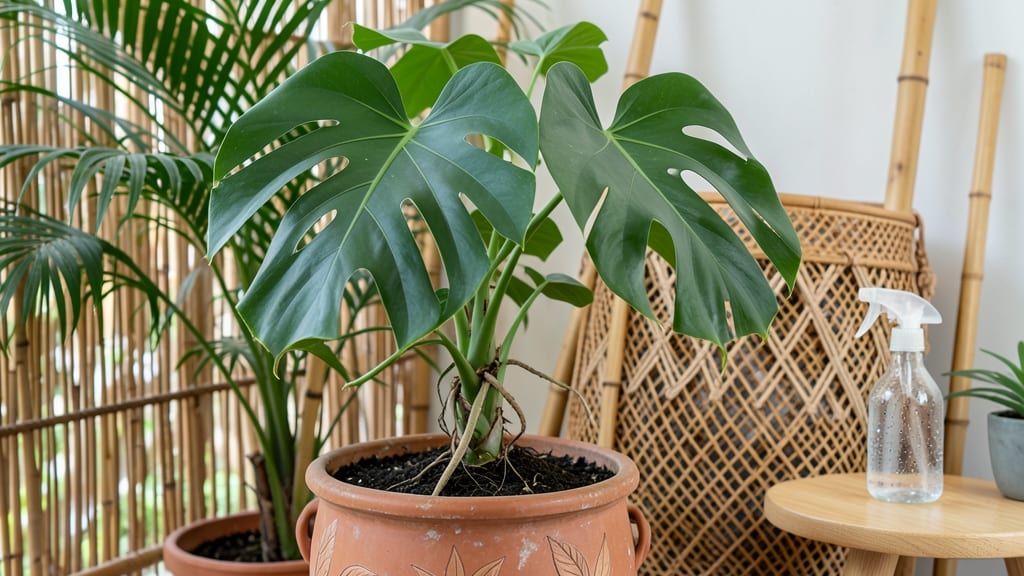
Gardening tropical plants indoors brings the vibrant energy of a rainforest into your home 🌴—with the right care, you can keep them thriving year-round, even in dry climates.
Picture this: lush ferns unfurling in your living room, hibiscus blooms that last for weeks, or a towering palm that feels like a vacation every time you walk by. The secret isn’t a fancy greenhouse—it’s understanding their three core needs: humidity, light, and consistent moisture.
Many tropical plants struggle indoors because we assume they’re high-maintenance. In reality, the easiest varieties—like peace lilies, bird-of-paradise, or dwarf banana trees—adapt surprisingly well to indoor life with just a few tweaks.
Below, I’ll walk you through the humidity hacks that make all the difference, the best spots for light (hint: it’s not always the sunniest window), and how to avoid the common mistakes that turn lush leaves into crispy brown edges.
Whether you’re a beginner or a seasoned plant parent, you’ll leave this guide knowing exactly which tropical plants to choose, how to recreate their natural habitat in your space, and the simple routines that keep them flourishing—no jungle expertise required.
Top 10 humidity-loving tropical plants for indoor gardens
Transforming your home into a tropical oasis is easier than you think! These humidity-loving tropical plants thrive indoors with minimal fuss, bringing lush foliage and vibrant colors to any space. Whether you're a beginner or a plant enthusiast, these low-maintenance varieties will reward you with stunning growth and minimal stress.
The key? Mimicking their natural high-humidity environments—something we’ll tackle next in our care tips.
From glossy ferns to exotic orchids, each plant on this list handles indoor conditions beautifully while demanding just the right balance of moisture, light, and airflow.
I’ve handpicked these 10 resilient tropical plants based on their adaptability, visual appeal, and ease of care—perfect for busy plant parents who want drama without the drama.
Humidity levels between 50-80% are ideal for most tropical plants, but don’t worry if your home doesn’t naturally hit those marks. With a few simple tricks—like grouping plants together or using a pebble tray—you can create a microclimate that keeps these beauties thriving year-round. Let’s dive into the top picks!
| Plant Name | Humidity Needs | Light Requirements | Mature Size | Care Tips |
|---|---|---|---|---|
| Bird of Paradise (Strelitzia nicolai) | 60-80% | Bright, indirect light | 6-10 ft tall | Water when top 2-3 inches of soil dry |
| Peace Lily (Spathiphyllum) | 50-70% | Low to bright indirect light | 2-4 ft tall | Keep soil evenly moist; tolerates low light |
| Calathea (e.g., Rattlesnake Plant) | 70-90% | Medium to low indirect light | 1-3 ft tall | Avoid direct sunlight; mist leaves regularly |
| Philodendron (Heartleaf or Brasil) | 60-80% | Low to bright indirect light | 3-10 ft (climbing or trailing) | Let top 1 inch of soil dry between waterings |
| Fiddle Leaf Fig (Ficus lyrata) | 50-70% | Bright, indirect light | 10-15 ft tall | Wipe leaves to remove dust; avoid cold drafts |
| Orchid (Phalaenopsis) | 50-70% | Bright, indirect light | 1-2 ft tall | Water once a week; use room-temp water |
| Monstera Deliciosa (Swiss Cheese Plant) | 60-80% | Bright, indirect light | 6-10 ft tall | Support large leaves as it grows; water thoroughly |
| Pothos (Epipremnum aureum) | 50-60% | Low to bright indirect light | 10-20 ft (trailing) | Thrives on neglect; water every 1-2 weeks |
| ZZ Plant (Zamioculcas zamiifolia) | 40-60% | Low to bright indirect light | 2-4 ft tall | Drought-tolerant; water every 3-4 weeks |
| Boston Fern (Nephrolepis exaltata) | 70-90% | Medium to low indirect light | 1-3 ft tall | Keep soil consistently moist; mist frequently |
Let’s start with my personal favorite: the Bird of Paradise. This statement-making plant brings bold tropical vibes with its striking blue and orange blooms. It’s surprisingly forgiving if you occasionally forget to water, but it does best with bright, indirect light and high humidity.
Place it near a window where it can bask in morning sun without getting scorched by afternoon rays.
The Peace Lily is another standout for beginners. Its elegant white blooms and glossy leaves make it a showstopper, and it’s one of the few tropical plants that can tolerate lower light conditions.
Just be mindful of its water needs—it tells you when it’s thirsty by drooping its leaves, which perk right back up after a drink.
For those who love dramatic foliage, Calathea varieties like the Rattlesnake Plant are a must. Their patterned leaves resemble exotic skins, and they thrive in shady corners where other plants might struggle.
The catch? They’re sensitive to dry air, so misting or using a humidifier is a game-changer for keeping them happy.
If you’re looking for a low-maintenance workhorse, Philodendrons and Pothos are my top recommendations. Both are fast-growing vines that adapt to almost any light condition and can even tolerate occasional dry spells. Train them to climb a moss
How to recreate tropical humidity indoors without a greenhouse
Tropical plants crave 60-80% humidity, but most homes hover around 30-50%—especially in winter when heaters dry the air. Without a greenhouse, you can still mimic their lush environment using simple, budget-friendly methods.
The key is combining passive moisture boosters (like pebble trays) with active solutions (such as humidifiers) tailored to your space and plant needs.
Start by grouping your tropical plants together—this creates a microclimate where they release moisture through transpiration, naturally increasing humidity. Pair this with a DIY humidity tray (just add water and pebbles under the pot) to raise local moisture levels.
For larger spaces, consider a small ultrasonic humidifier ($20-$40) near your plant collection. The goal isn’t perfection—it’s consistency.
- 💧 Pebble Trays: Fill a shallow tray with water and pebbles, place pots on top—evaporation adds 10-15% humidity locally.
- 🌿 Group Plants: Cluster 3+ tropicals together to create a self-sustaining microclimate (e.g., ferns + calatheas).
- 🪴 Misting: Lightly mist leaves daily in dry climates (avoid over-misting—fungus risk!). Use distilled water to prevent mineral buildup.
- 🌡️ Humidifier Hack: Set a cool-mist humidifier near plants (aim for 50-60% humidity)—run it overnight when air is driest.
- 🌧️ DIY Greenhouse: Cover plants with a plastic tent (like a clear shower cap) for 24 hours during heatwaves—boosts humidity instantly.
- 🍃 Houseplant Sponges: Soak a sponge in water, place near plants—evaporation mimics rainforest drizzle.
- 🔄 Rotate Pots: Move pots weekly to ensure even humidity exposure (some spots may dry faster).
For low-maintenance solutions, focus on pebble trays and plant grouping—these require zero electricity and work instantly. If your home stays below 40% humidity, invest in a $30 humidifier (like the Levoit LV600HH) and place it near your plant collection.
Pro tip: Use a hygrometer ($10 on Amazon) to monitor levels—aim for 50%+ for most tropicals.
Watch for brown leaf tips or crispy edges—these are red flags for dry air. Increase humidity immediately by grouping plants or running a humidifier. Over-misting can cause yellow leaves (fungus risk), so stick to light misting or pebble trays for passive moisture.
For large-leafed plants like monstera or philodendron, wipe leaves with a damp cloth weekly to mimic tropical rain.
In winter, close doors to heated rooms where plants reside—heat dries air faster. Open bathroom doors after showers to let steam circulate naturally. If you’re dealing with static electricity or peeling wallpaper, your humidity is critically low—prioritize a humidifier over DIY methods.
Remember: consistency beats intensity. A steady 50% humidity works better than sporadic spikes to 90%.
With these tricks, your tropical plants will thrive year-round—no greenhouse required. Start with one or two methods, monitor results, and adjust as needed. Soon, your home will feel like a mini rainforest, complete with lush, happy plants that reward your effort with vibrant growth 🌿.