
Planting
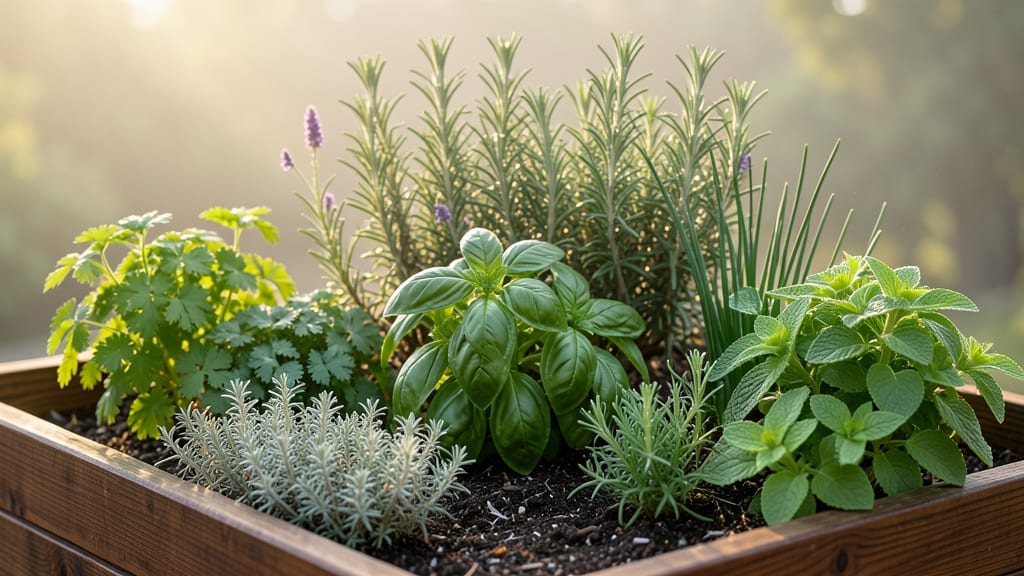
Planting herbs in your garden is the fastest way to turn your kitchen into a flavor powerhouse—just imagine snipping fresh basil for pesto or rosemary for roasted chicken in under 90 days.
There’s something magical about stepping into your garden and plucking ingredients that taste better than anything store-bought. These fast-growing herbs don’t just elevate your cooking; they’re also surprisingly low-maintenance once you get the basics right.
Whether you’re a beginner or a seasoned gardener, the right herbs can thrive in containers, garden beds, or even indoors. We’ll cover the top picks for quick harvests, how to keep them flourishing year-round, and the simple tricks to avoid common pitfalls.
By the end, you’ll know exactly which herbs to plant for maximum flavor and ease, plus how to extend their growing season so you’re never without fresh greens.

Top 10 fast-growing herbs for beginners with harvest times
If you're new to gardening but eager to enjoy fresh flavors, fast-growing herbs are your best friends. These aromatic plants deliver harvests in as little as 30 days, making them perfect for small spaces or impatient gardeners.
Whether you want bright green basil for pesto or fragrant mint for tea, these herbs thrive with minimal effort.
I’ve tested these top 10 herbs in my own garden, and they consistently produce abundant harvests while resisting common pests. The key? Sunlight, well-draining soil, and consistent watering. Below, I’ve ranked them by speed and ease of growth, plus their ideal planting seasons to maximize your yield.
| Rank | Herb | Harvest Time | Sun Needs | Best Season | Notes |
|---|---|---|---|---|---|
| 1 | Basil | 30-45 days | Full sun (6+ hrs) | Spring-Fall | Heat-loving; pinch flowers |
| 2 | Cilantro | 35-50 days | Partial sun (4-6 hrs) | Spring-Fall | Bolt-resistant varieties |
| 3 | Dill | 40-60 days | Full sun (6+ hrs) | Spring-Summer | Attracts pollinators |
| 4 | Parsley | 60-75 days | Partial sun (4-6 hrs) | Spring-Fall | Biennial; slow start |
| 5 | Chives | 50-60 days | Full sun (6+ hrs) | Spring-Fall | Perennial; regrows yearly |
| 6 | Mint | 60-75 days | Partial sun (4-6 hrs) | Spring-Summer | Invasive; grow in pots |
| 7 | Oregano | 70-90 days | Full sun (6+ hrs) | Spring-Summer |
How to maximize year-round herb growth in any climateExtending your herb harvest beyond summer isn’t just possible—it’s easier than you think. The key lies in understanding which herbs thrive in cold versus those that prefer heat, and how to adapt your growing methods. With the right strategies, you can enjoy fresh basil in winter or rosemary in summer no matter where you live. Many gardeners assume herbs only grow in warm months, but cold-hardy varieties like thyme and oregano can survive frost, while others like mint and cilantro bolt quickly in heat. The solution? A mix of seasonal planting, container flexibility, and indoor growing hacks to keep your herb garden productive 12 months a year. 5 Proven Strategies for Year-Round Herb Growth
Start by choosing herbs that match your climate. In colder regions, focus on perennial herbs like rosemary and thyme that survive winter with minimal protection. For hot climates, prioritize shade-tolerant varieties such as cilantro and parsley that won’t bolt in the heat. Container gardening is your best friend for flexibility. Use large pots with drainage holes to move heat-sensitive herbs like basil indoors before the first frost. Place them near a south-facing window or under grow lights to maintain their growth cycle. Don’t forget about seasonal soil prep. Amend your garden beds in early spring with compost to boost nutrient levels for fast-growing herbs. In fall, add a layer of mulch around perennial herbs to protect their roots from freezing temperatures while still allowing airflow. With these strategies, you’ll never run out of fresh herbs—whether you’re making summer salads with homegrown basil or winter soups with hardy rosemary. The secret is adapting your approach to each season’s challenges. |