
Tools
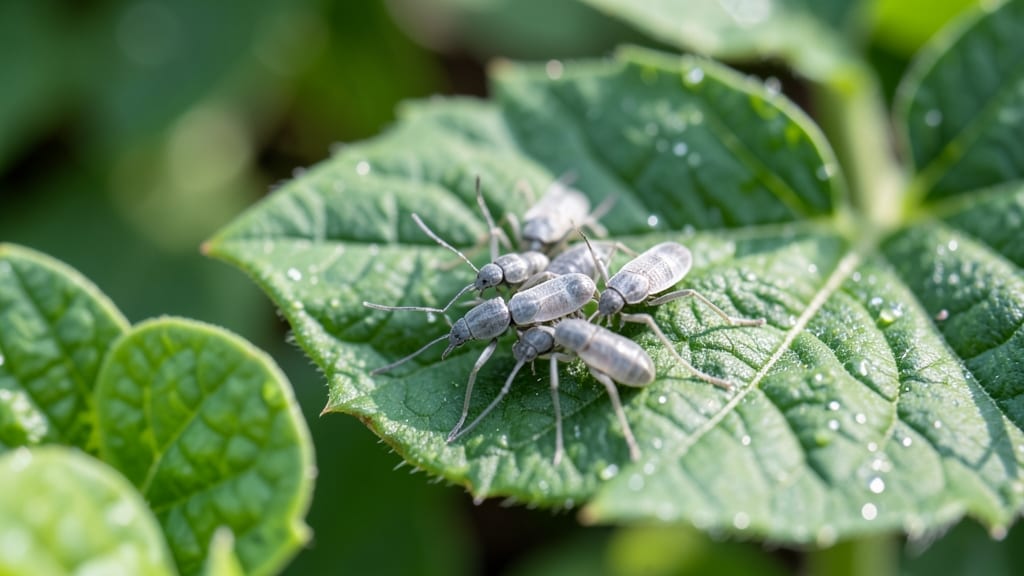
Gray bugs in your garden could be sneaky pests like aphids, mealybugs, or even helpful insects like lacewings—so knowing how to spot them fast is the key to protecting your plants.
Picture this: You’re checking your garden only to find tiny gray specks crawling on leaves, leaving behind a sticky mess that attracts ants. That’s not just dirt—it’s a sign of a potential infestation that could weaken your plants if ignored.
Don’t panic. With just 5 fast tricks, you’ll learn to identify these bugs before they spread, saving your garden from damage. I’ll show you how to tell the difference between harmful pests and beneficial insects, so you can act quickly and naturally.
Ready to take control? You’ll discover simple, chemical-free solutions that work in minutes—no guesswork required.
5 Fast tricks to identify common gray garden bugs
Gray bugs in your garden might seem harmless at first glance, but many of these tiny invaders can destroy your plants if left unchecked. The key to stopping them early is recognizing their unique visual cues and behaviors.
I’ve spotted gray aphids, mealybugs, and even fungus gnats in my own garden—each with distinct traits that give them away. Here’s how to tell them apart in seconds.
Don’t wait until your roses or tomatoes show signs of damage to act. These 5 fast tricks will help you identify gray pests before they spread. Grab your magnifying glass (or just your phone’s camera) and let’s get started—your garden’s health depends on it.
🔍 How to Spot Gray Bugs Fast
- 🌿 1. Check for Wings
- 🦟 2. Look for Cottony Trails
- 🕷️ 3. Observe Movement
- 💧 Test for Sap-Sucking
- 🌱 Inspect Undersides
Gray aphids and whiteflies often have tiny wings (or wing pads). Hold a leaf near a light source—winged bugs will flutter away or hide.
Mealybugs leave behind white, waxy threads on stems and leaves. Run your finger along the plant—if it feels sticky or fuzzy, you’ve found them.
Spider mites move in a zigzag pattern (use a magnifier!), while slugs leave silver slime trails at night. Slow-moving gray pests? Likely scale insects.
Press a leaf gently. If it crushes easily or has sticky residue (honeydew), aphids or soft scales are feeding nearby.
Flip leaves over—90% of gray bugs hide here! Look for clusters of tiny gray dots (fungus gnats) or speckled webs (spider mites).
Once you’ve identified the culprit, act fast. For example, aphids and mealybugs thrive in crowded gardens, so prune affected branches immediately and dispose of them in sealed bags. I’ve saved my pepper plants from total collapse by catching these pests early—don’t let them become a full-blown infestation!
Pro tip: Neem oil works wonders on gray aphids and scale insects. Mix 1 tablespoon with a quart of water, spray on both sides of leaves, and repeat every 5–7 days. The oil smothers their protective wax coatings, making them vulnerable to natural predators like ladybugs.
If you’re still unsure, snap a photo and compare it to online guides. Many gray bugs have distinct body shapes—some are oval, others elongated, and a few even look like tiny armored tanks. The sooner you recognize them, the sooner you can protect your garden.
Remember, not all gray insects are pests! Lacewings and ground beetles are your allies, hunting down harmful bugs. Learn to tell the difference—your garden’s ecosystem balance depends on it. Keep an eye out for beneficial predators while you’re on the hunt!
Start with these tricks today, and you’ll be a gray bug detective in no time. Your plants will thank you with healthier growth and bigger harvests this season. Happy gardening!
How gray bugs damage plants (and how to stop it)
Gray bugs in your garden might seem harmless at first glance, but they can cause serious damage to your plants if left unchecked.
These pests, including gray aphids, mealybugs, and fungus gnats, thrive by feeding on plant sap, leaving behind sticky residue that attracts mold and sooty mold fungi. The longer they stay, the more your plants weaken, leading to stunted growth and even death in severe cases.
One of the first signs of gray bug damage is yellowing leaves or curling foliage, as these pests drain essential nutrients from your plants. They also excrete honeydew, a sugary substance that creates an ideal environment for black sooty mold, further stressing your plants.
If you notice these symptoms, it’s time to act before the infestation spreads.
⚠️ WARNING: Gray Bugs Can Ruin Your Garden Fast! These tiny pests may look innocent, but they’re sap-sucking machines that weaken plants, spread diseases, and attract harmful fungi. Gray aphids and mealybugs cluster on undersides of leaves, while fungus gnats lay eggs in moist soil, leading to root damage.
Without intervention, your plants can become stunted, yellowed, or even die. Act now with neem oil, insecticidal soap, or natural predators like ladybugs to stop the spread before it’s too late!
To combat gray bugs effectively, start with organic solutions like neem oil, which disrupts their life cycle without harming beneficial insects. Mix 1 teaspoon of neem oil with 1 quart of water and a drop of dish soap, then spray directly on infested areas.
For mealybugs, use a cotton swab dipped in rubbing alcohol to wipe them off leaves—this kills them on contact.
Insecticidal soap is another powerful tool, especially for aphids and whiteflies. Spray it on the undersides of leaves where these pests hide, and repeat every 5-7 days until they’re gone. For a long-term fix, introduce natural predators like ladybugs, lacewings, or parasitic wasps, which feed on gray bugs and keep populations in check.
Prevention is key—keep your garden healthy by removing debris, watering at the base (not overhead), and encouraging biodiversity. Healthy plants are less attractive to pests, and a balanced ecosystem naturally deters infestations. If you catch gray bugs early, you can save your plants and avoid a full-blown outbreak.
Don’t let gray bugs take over your garden! With the right identification and quick action, you can protect your plants and keep your garden thriving. Start today with neem oil or insecticidal soap, and watch your plants bounce back in no time. 🌿