
Tools
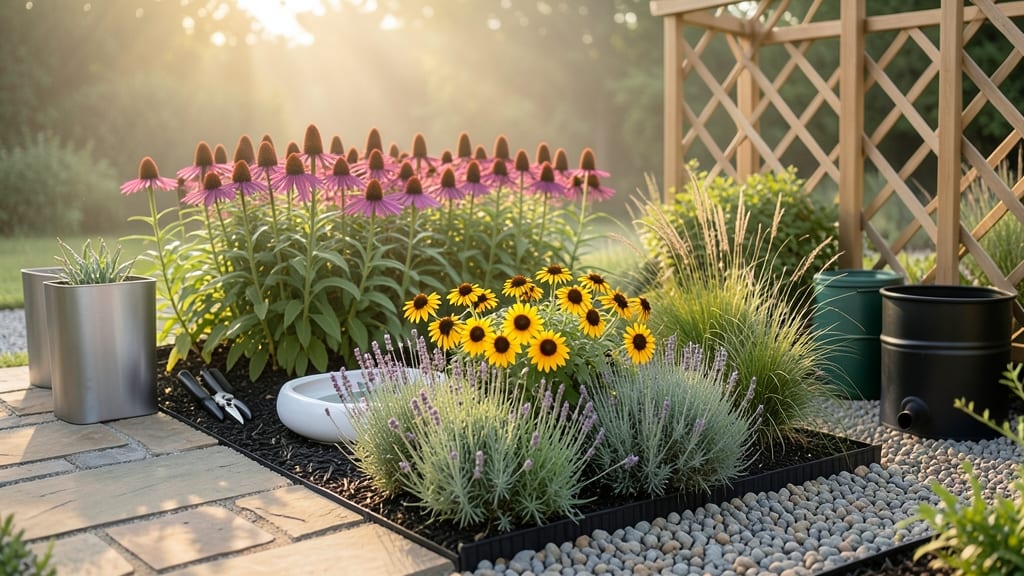
This year’s top home and garden trends focus on biophilic design, vertical gardening, and eco-friendly DIY projects—like indoor plant walls, drought-tolerant landscaping, and repurposed decor. These approaches save space, cut water use, and blend seamlessly with sustainable living while keeping maintenance simple.
What’s driving this shift?
Studies show that connecting with nature—even in small spaces—reduces stress and boosts creativity, which is why biophilic elements like living walls and native plants are everywhere. 🌿 Vertical gardens, in particular, solve two problems: they maximize limited outdoor space while purifying the air better than traditional landscaping.
And with water conservation becoming a priority, drought-resistant plants and self-sustaining systems (like rainwater collection) are no longer niche—they’re essential for modern outdoor spaces.
For DIY enthusiasts, the trend leans toward practicality. Upcycling materials like pallets or old furniture into planters cuts costs while adding character, and tools like smart irrigation systems make gardening effortless. The key is balancing aesthetics with functionality—think lush greenery that also saves water and time.
💡 In This Article
- Why Biophilic and Vertical Gardens Dominate 2024
- DIY Hacks for 2024’s Top 5 Garden Designs
Why biophilic and vertical gardens dominate 2024
Biophilic design taps into our innate connection to nature, and the science backs its benefits. Research from the University of Exeter shows that exposure to greenery reduces cortisol levels by up to 37%, while studies in offices with plants reveal a 15% productivity boost.
Vertical gardens amplify these effects by bringing nature indoors or into tight urban spaces—where 60% of Americans now live. These systems filter airborne toxins like formaldehyde and benzene, improving air quality by 20-50% compared to traditional potted plants.
The magic of vertical gardens lies in their hydroponic or aeroponic setups, which use 90% less water than soil-based plants. Systems like the GrowWall or DIY felt pockets rely on capillary action, where water travels through fabric to roots without waste.
Native plants further reduce maintenance—they’ve evolved to thrive with 30-50% less water than non-native species, making them perfect for drought-prone regions. For example, succulents and sedums need watering only every 2-3 weeks once established, compared to weekly for many ornamental plants.
Upcycled materials are the backbone of sustainable DIY projects in 2024. Pallet gardens, for instance, transform discarded wood into vertical planters at a cost of just $10-$20 for materials.
Rain barrels, which collect 1,300 gallons of water per year from a typical roof, pair perfectly with drought-resistant plants to create self-sustaining systems.
The environmental payoff is immediate: repurposing materials diverts 20 pounds of waste from landfills per pallet reused, while rainwater reduces municipal water use by 50% during dry seasons.
What most people overlook is how biophilic elements enhance mental well-being through sensory engagement. The texture of moss walls or the aroma of lavender in vertical planters trigger the "biophilia hypothesis", a theory suggesting humans have an inherent affinity for natural environments.
Even small touches—like a windowsill herb garden—can lower blood pressure by 10-15 points within minutes of interaction. This sensory connection is why micro-gardens (under 5 square feet) are gaining traction in apartments and offices.
For those skeptical about vertical gardens, consider the space-saving math: a 6-foot-tall wall with 20 pockets can grow the equivalent of a 100-square-foot ground garden. In cities where outdoor space averages just 150 square feet per household, this efficiency is revolutionary.
Pair that with native plants, and you’ve created a low-maintenance ecosystem that thrives on half the water while supporting local pollinators—win-win for both aesthetics and ecology.
Pro tip: Start small with a 3-foot vertical planter using recycled materials. Fill it with drought-tolerant herbs like rosemary or thyme, which double as edible decor. The combination of visual appeal, air purification, and water conservation makes this trend more than just decorative—it’s a practical upgrade for modern living.