
How To
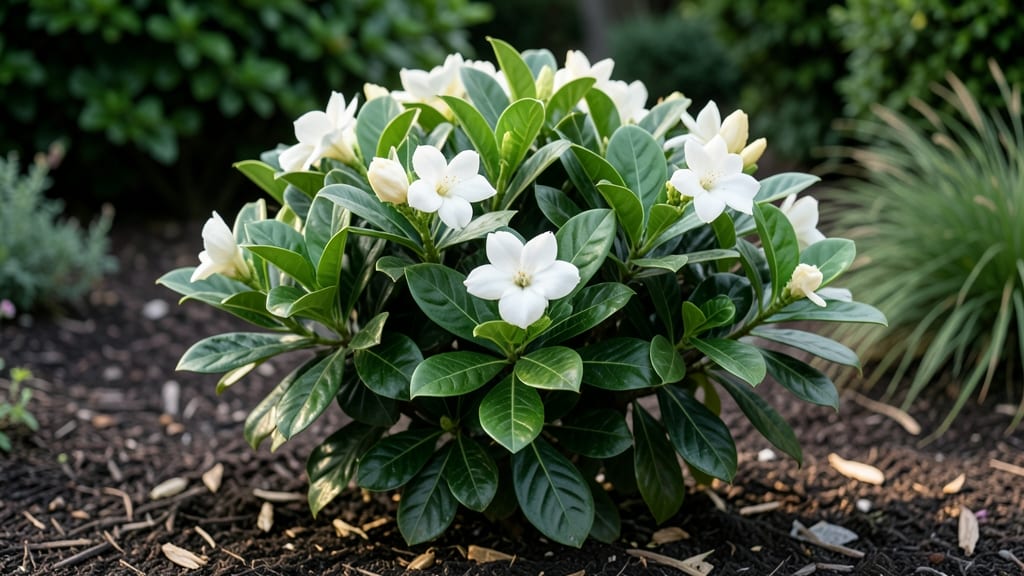
Gardenia bushes grow anywhere from 2 to 6 feet tall, depending on the variety and growing conditions, so choosing the right one for your space is everything.
Picture this: a fragrant gardenia 🌸 taking over your patio or, worse, crowding out your prized roses. The truth is, some varieties stay compact while others sprawl—knowing the difference saves you from costly mistakes (and a lot of pruning).
In this guide, I’ll break down the height and spread of popular gardenias, from dwarf varieties that fit containers to standard shrubs that thrive as hedges. You’ll also learn how pruning, sunlight, and soil pH affect their size—and how to keep them in check without sacrificing those iconic blooms.
Whether you’re planning a small garden bed or a lush privacy screen, you’ll walk away knowing exactly which gardenia fits your space—and how to keep it looking its best year after year.
Gardenia bush size by variety: height and spread comparison guide
Choosing a gardenia variety isn’t just about fragrance—it’s about space planning. Some gardenias stay neatly contained at 2 feet tall, while others can sprawl to 10 feet wide.
The most popular species, Gardenia jasminoides, typically reaches 4-6 feet tall with a 5-8 foot spread, but there are compact and giant exceptions.
If you’re working with limited space, dwarf varieties like 'Radicans' or 'Kleim's Hardy' are perfect for containers or small gardens. Meanwhile, standard varieties like 'Veitchii' or 'Mystery' thrive as focal points in larger landscapes. Let’s break down the size differences so you can pick the perfect fit for your garden.
For visualizing these sizes, imagine a standard kitchen counter (36 inches) as a reference. A 'Radicans' gardenia will sit comfortably on top, while a 'Veitchii' will tower over it like a small tree.
If you’re planting near a 6-foot fence, varieties like 'Florida' or 'Mystery' will align perfectly with the top.
How to choose the right gardenia size for your garden space
When selecting gardenias, the first question I always ask myself is: “How much space can I realistically dedicate?” Gardenias thrive in USDA zones 8-11, but their size varies wildly—from 2-foot dwarf varieties to 6-foot standard shrubs.
Your garden layout, climate, and even your pruning habits will determine which size works best for you.
For small gardens or containers, dwarf gardenias like ‘Radicans’ (2-3 feet tall) are perfect. They fit beautifully in 12-inch pots and even thrive on patios. Meanwhile, standard varieties like ‘Kleim’s Hardy’ (4-6 feet) need room to spread—ideal for hedges or privacy screens.
Let’s break down how to match your space with the right gardenia.
- 🌿 Dwarf Gardenias (2-3 ft) → Best for containers, small beds, or window boxes. Varieties like ‘Radicans’ or ‘Augusta’ stay compact with minimal pruning.
- 🌳 Semi-Dwarf Gardenias (3-4 ft) → Ideal for border plantings or foundation beds. Examples: ‘Veitchii’ or ‘Fortuniana’—great for USDA 9-11 climates.
- 🪴 Standard Gardenias (4-6 ft) → Perfect for hedges, privacy screens, or large garden beds. ‘Kleim’s Hardy’ is a top pick for USDA 8-10 and tolerates cooler temps.
- 💧 Container Tips → Use 12-inch pots for dwarfs, 18-inch pots for semi-dwarfs, and 24-inch pots for standards. Ensure pots have drainage holes to prevent root rot.
- ✂️ Pruning for Size Control → Prune after flowering (late summer) to shape and limit spread. For bushier growth, trim back 1/3 of new growth in spring.
Climate plays a huge role in gardenia size. In warmer zones (USDA 10-11), gardenias grow faster and larger, while cooler zones (USDA 8) may see slower growth.
For example, ‘Kleim’s Hardy’ can reach 6 feet in Florida but might stay under 4 feet in Southern California. Always check your local microclimate!
If you’re planting in containers, remember: root-bound gardenias grow slower but need regular repotting every 2-3 years. Use a well-draining, acidic potting mix (pH 5.0-6.0) and fertilize lightly to avoid overgrowth. For in-ground plantings, amend your soil with peat moss or sulfur to maintain acidity.
Pro tip: Mulch around your gardenia with pine bark or leaves to retain moisture and suppress weeds. This keeps the plant’s energy focused on blooms, not invasive roots. I’ve found that mulching also helps control spread in semi-dwarf varieties, keeping them tidy without harsh pruning.
Finally, don’t forget that pruning isn’t just for size—it’s for health. Remove dead or yellowing leaves year-round, and thin out crowded branches in late winter.
This improves airflow, reducing fungal diseases like powdery mildew, which can stunt growth. With the right pruning, even a 6-foot gardenia can stay lush and manageable!