How Big Do Gardenias Get: Mature Size Guide for Containers and Landscapes

How To

How Big Do Gardenias Get: Mature Size Guide for Containers and Landscapes

Gardenias grow anywhere from 2 feet to towering 15 feet tall, depending on the variety and how you care for them.

Wondering if that means your containers or garden beds will become gardenia jungles? Not necessarily—with the right pruning and variety choice, you can keep them compact or let them sprawl into a fragrant focal point. The key is knowing which types suit your space and how to guide their growth.

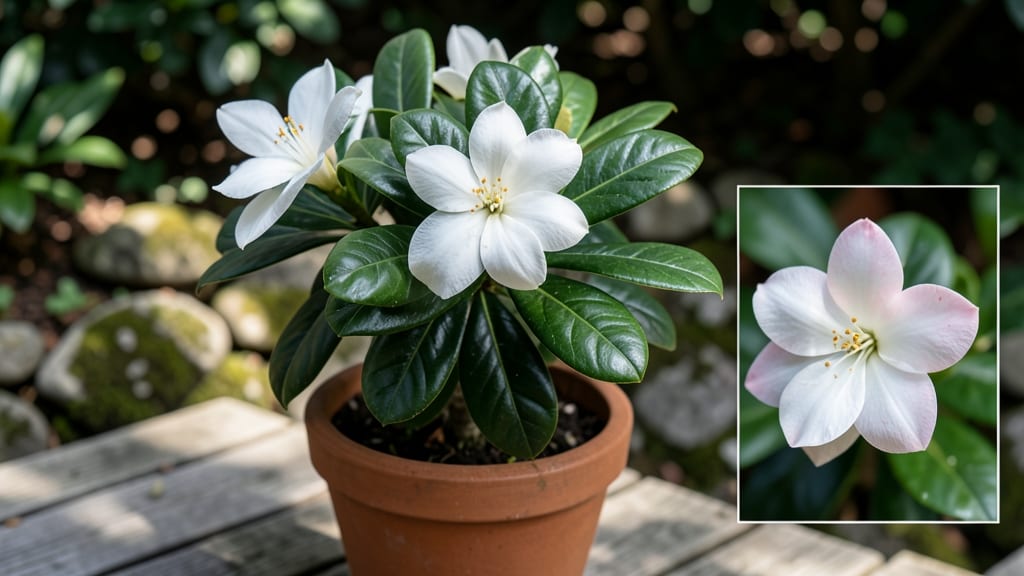
For example, the classic Gardenia jasminoides 🌸 typically reaches 3–6 feet in height, while dwarf varieties stay under 3 feet, making them perfect for pots. Meanwhile, G. augusta can grow up to 15 feet in ideal conditions, so placement matters.

Below, we’ll break down the exact sizes by variety and how to control them—whether you’re aiming for a neat container plant or a lush landscape shrub.

You’ll also discover how pruning, sunlight, and soil choices can shrink or encourage growth, plus common mistakes that lead to overgrown (or stunted) gardenias—and how to fix them.

Gardenia mature size by variety: from compact to towering shrubs

Choosing the right gardenia variety is key to fitting these fragrant beauties into your garden or containers. The mature size of gardenias can range from compact dwarf varieties perfect for patios to towering shrubs that need landscape space.

Understanding these dimensions helps you plan spacing, pruning, and even container sizes for your gardenia care routine.

Most gardenias fall into three size categories: dwarf (1–3 ft), standard (4–6 ft), and large (8–15 ft). The Gardenia jasminoides, the most common type, typically reaches 4–6 feet tall with a 3–5 foot spread, but some varieties stay under 2 feet.

Your climate, soil, and pruning habits also influence how big your gardenias grow.

Here’s a quick comparison of popular gardenia varieties and their mature sizes to help you pick the perfect fit for your space:

Variety Mature Height Mature Spread Best For Notes
Gardenia jasminoides 'Kleim's Hardy' 3–5 ft 3–4 ft Landscapes, borders Cold-hardy to Zone 7
Gardenia jasminoides 'Radicans' 6–10 ft 5–8 ft Large gardens, hedges Fast-growing, needs pruning
Gardenia jasminoides 'Veitchii' 4–6 ft 4–5 ft Containers, patios Fragrant blooms, needs acidic soil
Gardenia augusta 'Fortuniana' 8–15 ft 6–10 ft Tropical landscapes Tallest variety, needs warmth
Gardenia jasminoides 'Dwarf' 1–2 ft 2–3 ft Containers, window boxes Ideal for small spaces
Gardenia jasminoides 'Mystery' 3–4 ft 3–4 ft Borders, mixed shrubs Compact, long blooming
Gardenia jasminoides 'Clewabank' 4–5 ft 3–4 ft Foundation planting Disease-resistant, semi-dwarf
Gardenia jasminoides 'Kleim's Hardy Gold' 3–4 ft 3–4 ft Cold climates, containers Yellow-green foliage, hardy
Gardenia radicans 10–15 ft 8–12 ft Tropical gardens, large hedges

How to control gardenia size: pruning and container tips for small spaces

If your gardenia is growing taller than your patio furniture or threatening to spill over your balcony, don't panic—size control is entirely in your hands. With the right pruning techniques and container choices, you can keep your gardenia at a manageable height while still enjoying those fragrant blooms.

The key lies in understanding when and how to prune, plus selecting the right pot for your variety.

Most gardenias naturally reach 3–6 feet tall in landscapes, but container-grown plants stay compact with proper care. Dwarf varieties like 'Radicans' max out at 2–3 feet, while standard types can stretch to 6 feet or more if left unchecked.

The good news? You can shape your gardenia into a bushy, manageable size with just a few strategic cuts each year.

🌿 5 Key Steps to Control Gardenia Size

  1. 1. Choose the right container: Minimum 15–20 gallons for dwarf varieties; larger pots slow root growth and reduce height.
  2. 2. Prune after blooming: Cut back 1/3 of new growth in late summer to encourage bushier, shorter stems.
  3. 3. Use heading cuts: Trim just above a leaf node to redirect energy to lateral branches.
  4. 4. Thin crowded branches: Remove 1–2 oldest stems annually to improve airflow and compact shape.
  5. 5. Fertilize lightly: Use low-nitrogen fertilizer (10-10-10) to prevent rapid, leggy growth.

Spring is the ideal time to shape your gardenia, but you can also do light pruning in early summer after the main blooming period. Avoid heavy pruning in fall—this encourages tender new growth that won't survive winter.

For container plants, choose pots with drainage holes and use a well-draining potting mix to prevent root-bound stress, which can stunt growth or cause legginess.

When pruning, always use clean, sharp shears to avoid tearing branches. Make cuts at a 45-degree angle just above a leaf node or bud to encourage healthy regrowth.

If your gardenia develops long, bare stems, it's a sign of insufficient light—move it to a brighter spot (but avoid harsh afternoon sun).

For ultra-compact gardenias, consider training them as standard trees by pruning all but one central leader stem. This method works best with dwarf varieties like 'Kleim's Hardy', which stays under 3 feet tall even with minimal pruning.

Just remember: the smaller the container, the more frequently you'll need to prune to maintain size.

With consistent care, your gardenia will stay within your desired space while still producing those lush, fragrant blooms you love. The secret? A little pruning discipline and the right container—no guesswork required! 🌸

★★★★★4.9(7 reviews)
Categories How To