
Size
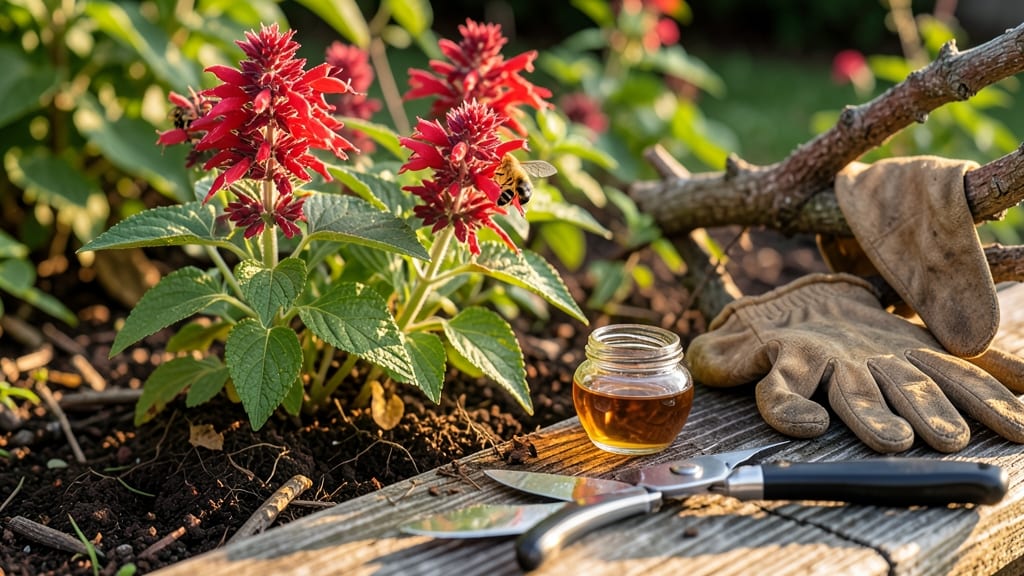
Growing honey in your garden starts with planting nectar-rich flowers like lavender and sunflowers, then adding bee housing like small hives or nesting boxes. Supporting pollinators with clean water and pesticide-free zones ensures a thriving colony and sweet harvest.
Creating a honey-producing garden is simpler than you might think. 🌸 The key is selecting plants that bees adore—like clover, echinacea, or even fruit trees—which provide continuous nectar throughout the growing season.
I’ve found that combining early bloomers (like crocus) with late-season varieties (such as asters) keeps bees fed year-round, maximizing honey output. Urban spaces can accommodate small hives or solitary bee houses, making this accessible even for city gardeners.
For best results, place hives in sunny spots with morning sun exposure and afternoon shade. 🐝 Local beekeeping associations often offer beginner kits and guidance, helping you navigate legal requirements and seasonal care. The reward? Fresh, local honey with unique flavors shaped by your garden’s blooms.
💡 In This Article
- Best Bee-Friendly Plants for Honey Production
- Urban Beekeeping Basics for Beginners
Best bee-friendly plants for honey production
Bees thrive on nectar-rich plants that provide both food and pollen, and the right selection can dramatically increase honey yield. 🌼 The most productive varieties include lavender (with its high nectar-to-flower ratio), sunflowers (which produce abundant pollen), and borage (a powerhouse with 30-50% more nectar than many garden flowers).
These plants aren't just about quantity—they also influence honey flavor. For example, clover produces mild, sweet honey, while citrus blossoms create a tangy, floral variety. Regional suitability matters too: in cooler climates, bees favor early bloomers like crocus, while warmer zones benefit from late-season asters.
The secret to continuous honey production lies in creating a multi-season bloom cycle. 🌿 Plant early spring flowers (like fruit trees or dandelions) alongside summer bloomers (such as echinacea) and fall varieties (such as goldenrod). This ensures bees have a steady food source from March through October.
A well-designed pollinator garden should include both open-pollinated plants (for easy bee access) and native species (which have co-evolved with local bee species). For instance, milkweed attracts monarchs while providing nectar, creating a synergistic ecosystem that boosts overall garden productivity.
Plant placement also impacts honey production. 🌞 Arrange flowers in clusters rather than scattered rows, as bees are more efficient at harvesting from dense patches. Include a mix of heights—tall sunflowers in the back, medium lavender in the middle, and low-growing thyme at the front—to create a layered foraging experience.
Avoid monocultures; instead, intersperse different species to prevent bee fatigue and ensure they always find fresh resources. Even small urban gardens can support bees with vertical planting—trellises with borage or nasturtiums add extra foraging space without taking up ground room.
Water sources are equally critical. 💧 Bees need constant access to clean water, especially during dry spells. A shallow dish with pebbles (to prevent drowning) or a bee bath with dripping water works best. Place these near—but not inside—flower beds so bees can easily transition from feeding to hydration.
Pesticides are the biggest threat to honey production; even "bee-safe" sprays can harm colonies over time. Opt for organic pest control methods like neem oil or companion planting (marigolds deter pests naturally) to keep your garden both productive and pollinator-friendly.
For urban gardeners, consider adding solitary bee houses. 🐝 These small structures provide nesting sites for mason bees and leafcutter bees, which are highly efficient pollinators. Unlike honeybees, they don't require hives and thrive in small spaces.
Place houses near flowering plants but out of direct afternoon sun to maintain stable temperatures. The result? A self-sustaining ecosystem that produces honey while supporting biodiversity—all in a backyard or balcony garden.