
How To
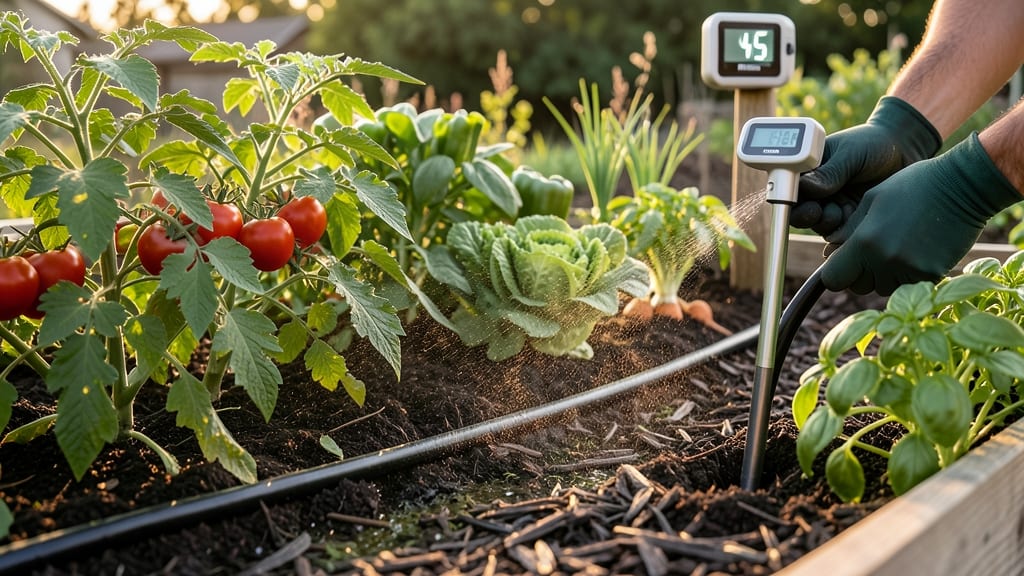
Leaving a soaker hose on your vegetable garden 🥬 for the right amount of time can mean the difference between thriving plants and wasted water.
Too short, and your greens wilt before roots drink up the moisture. Too long, and you drown the soil, inviting rot and fungal diseases. The key? Understanding how long to run it for your specific crops, soil type, and weather—without guessing.
In this guide, I’ll break down the science behind soaker hose timing, from leafy greens that need frequent sips to root crops that prefer deep, slow drinks.
You’ll learn how to adjust for sandy soil that drains fast or clay that holds water like a sponge, plus how heat and rain change the rules.
Skip the trial-and-error: discover the exact triggers for when to turn it on, when to shut it off, and how to spot over- or underwatering before it’s too late.
Ideal soaker hose duration by plant type and soil conditions
A soaker hose is one of the most efficient tools for delivering water directly to your vegetable garden’s roots. But knowing how long to leave it on depends on plant type, soil composition, and even the weather forecast.
For example, leafy greens like lettuce and spinach need frequent, shallow watering, while deep-rooted crops like tomatoes thrive with longer, deeper soaks. Let’s break down the science so you can water like a pro.
First, consider your soil type. Sandy soil drains quickly, requiring shorter soaker hose sessions (15–30 minutes), while clay soil holds moisture longer, often needing just 30–60 minutes.
Even within the same soil type, young seedlings need gentler watering than mature plants producing fruit. Adjusting for drought conditions or rainy seasons further refines your approach.
Soaker hose duration also shifts with plant maturity. Seedlings often need 10–20 minutes of watering every 1–2 days, while established tomatoes or peppers can handle 30–60 minutes every 2–3 days. Overwatering can drown roots, while underwatering stresses plants—so finding the sweet spot is key. Below, we’ve mapped out the ideal durations for your most common vegetable crops.
| Plant Type | Soil Type | Soaker Hose Duration (Minutes) | Frequency | Adjustments |
|---|---|---|---|---|
| Leafy Greens (Lettuce, Spinach, Kale) | Sandy | 10–20 | Daily (morning) | Reduce by 50% if rainy |
| Leafy Greens | Clay | 20–30 | Every other day | Increase by 20% in drought |
| Root Crops (Carrots, Radishes, Beets) | Sandy | 15–25 | Every 2–3 days | Keep soil moist, not soggy |
| Tomatoes | Sandy | 30–45 | Every 2 days | Increase to 60+ mins in heatwaves |
| Peppers | Clay | 45–60 | Every 3 days | Reduce by 30% if humid |
| Seedlings (All Types) | Any | 10–15 | Daily | Use a gentle spray setting |
For leafy greens, the goal is to keep the top 1–2 inches of soil moist without waterlogging. In sandy soil, this means shorter sessions (10–20 minutes) every day, while clay soil can handle longer durations (20–30 minutes) every other day.
Overwatering here leads to yellowing leaves or mold growth, so always check the soil’s moisture level by sticking your finger an inch deep.
Root crops like carrots and radishes need consistent moisture but hate soggy conditions. A 15–25 minute soak every 2–3 days in sandy soil keeps them happy, while clay soil may only need 20–30 minutes every 3 days. The key is to avoid uneven watering, which can cause
Signs your vegetable garden needs more (or less) soaker hose time
A soaker hose is a gardener’s secret weapon for delivering water right to the roots—but even the best tools can backfire if misused. Yellowing leaves or mushy stems often signal overwatering, while crispy leaf edges or drooping plants scream for hydration.
The key is learning your plants’ subtle cues before damage sets in.
Start by checking the soil moisture with your finger. Stick it 2 inches deep—if it feels dry, your soaker hose needs more time. For clay soil, which holds moisture longer, reduce duration by 20-30%. Sandy soil, however, drains quickly, so you may need 10-15% longer watering sessions.
🌱
Overwatering signs: Yellow leaves, foul-smelling soil, mold growth.
Underwatering signs: Wilting leaves (even after watering), dry soil cracks, stunted growth.
Soaker hose rule: Morning watering (6-9 AM) prevents fungal risks. 10-15 minutes is a baseline—adjust based on soil type and plant needs.
Uneven water distribution is another common pitfall. If one side of your garden looks thriving while the other wilts, your soaker hose might be clogged or misaligned. Test coverage by placing white paper towels near the hose—if water doesn’t soak through evenly, reposition or clean the hose.
Root health is your best barometer. Gently dig up a small test plant after watering. Healthy roots should be white or light tan. Dark, mushy roots mean overwatering, while brittle, brown roots signal underwatering. Adjust your soaker hose time by 5-10 minutes increments until roots improve.
Seasonal shifts demand flexibility. In summer heat, increase soaker hose time by 30-50% to combat evaporation. Conversely, spring showers may halve your needed duration. Always pair watering with mulch (2-3 inches) to lock in moisture and reduce hose time.
Listen to your plants—they’ll tell you exactly what they need. Tomatoes and peppers crave deep, consistent water, while leafy greens tolerate slightly drier conditions. By tuning into these signs, you’ll master the art of soaker hose timing in no time.
💧