
Light Requirements
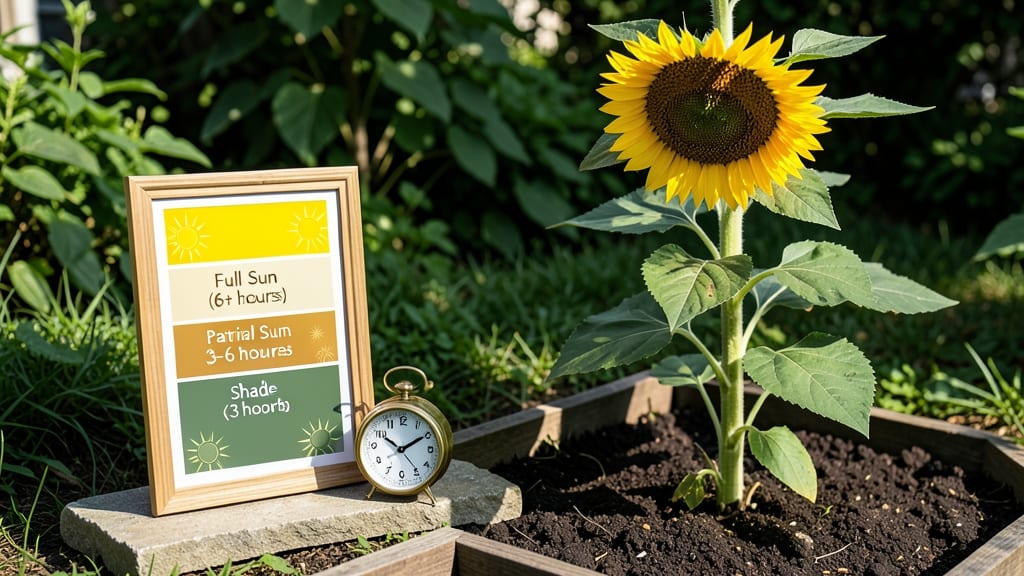
A garden needs 6 to 8 hours of sunlight daily to thrive, though some plants do just fine with far less.
Struggling to decide where to plant your tomatoes or why your basil keeps wilting? Sunlight is the secret ingredient most gardeners get wrong—but getting it right can mean the difference between a thriving garden and a disappointing one.
Too little light and your plants stretch toward the sky, weak and leggy. Too much, and they scorch under the midday sun. The key lies in understanding how much sunlight each plant truly needs and matching it to your garden’s natural light patterns.
Below, I’ll break down the sunlight categories—full sun, partial shade, and low light—so you can place every plant in its perfect spot, whether you’re working with a sun-drenched backyard or a shady corner.


Sunlight requirements by plant type: full sun vs partial shade vs low light
Understanding how many hours of sunlight your garden needs is the first step to creating a thriving outdoor space. Sunlight requirements vary dramatically between plant types—what works for tomatoes can kill hostas.
Most gardeners divide sunlight needs into three categories: full sun, partial shade, and low light. Getting this right ensures your plants grow strong, produce well, and resist pests and diseases.
Full sun plants, like peppers and roses, need at least 6-8 hours of direct sunlight daily to thrive. Partial shade plants, such as coleus or impatiens, prefer 3-6 hours of sunlight with afternoon shade.
Meanwhile, low-light plants like ferns and calatheas survive with just 2-3 hours of filtered light. Misjudging these needs often leads to weak growth, poor flowering, or even plant death.
| Plant Type | Sunlight Needs | Ideal Conditions | Examples |
|---|---|---|---|
| Vegetables (Full Sun) | 6-8+ hours | Hot, direct sun; well-draining soil | Tomatoes, Peppers, Cucumbers, Eggplants |
| Herbs (Full Sun) | 6-8 hours | Morning sun; afternoon shade in hot climates | Basil, Oregano, Thyme, Rosemary |
| Flowers (Full Sun) | 6+ hours | Bright, open locations; wind protection | Marigolds, Sunflowers, Dahlias, Lavender |
| Vegetables (Partial Shade) | 3-6 hours | Morning sun; afternoon shade | Lettuce, Spinach, Kale, Swiss Chard |
| Flowers (Partial Shade) | 3-5 hours | Dappled light; moist soil | Impatiens, Coleus, Begonias, Fuchsias |
| Foliage (Low Light) | 2-3 hours | Indirect light; high humidity | Fern, Calathea, Peace Lily, ZZ Plant |
For vegetables, full sun is non-negotiable. Tomatoes, for example, need 8+ hours of sunlight to produce fruit, while lettuce and spinach thrive with just 3-4 hours of morning sun. Herbs like basil and rosemary also demand full sun, but they can tolerate partial shade in hotter climates where afternoon sun might scorch their leaves.
When it comes to flowers, sun-loving varieties like sunflowers and marigolds will wilt without 6+ hours of sunlight, while impatiens and coleus prefer partial shade to prevent leaf burn.
Even within the same plant family, sunlight needs can vary—roses need full sun, but hydrangeas prefer partial shade to maintain vibrant blooms.
If you're working with foliage plants, low-light conditions are often ideal. Plants like ferns and calatheas can suffer in direct sunlight, developing brown, crispy edges. These plants thrive in dappled shade or under artificial grow lights if grown indoors.
Even houseplants like the snake plant or ZZ plant can survive with minimal light, though they’ll grow more slowly.
One common mistake gardeners make is assuming all plants need the same amount of sunlight. Overestimating sunlight can lead to leaf scorch or wilting, while underestimating it results in leggy growth or pale foliage.
To avoid these issues, observe your garden throughout the day. Note where the sun hits hardest in the morning versus the afternoon, and adjust your plant placements accordingly.
For container gardens
How to measure sunlight in your garden and adjust plant placement
Measuring sunlight in your garden isn’t just about guessing—it’s about creating the perfect conditions for each plant. Start by observing your garden from sunrise to sunset. Notice how shadows move and how long different areas stay in direct light.
This simple observation can reveal hidden opportunities for sun-loving plants or shade-tolerant varieties you might have missed.
If you’re unsure where to begin, use a sunlight calculator or app to track sunlight hours. These tools provide real-time data on how many hours of sunlight each spot in your garden receives.
For example, a south-facing area might get 8 hours of sun in summer but only 4 hours in winter due to the lower sun angle. Adjusting your plant selection based on seasonal changes can save you from costly mistakes.
- 🌞 6+ hours/day: Full sun (tomatoes, peppers, lavender)
- 🌤️ 3-6 hours/day: Partial shade (basil, lettuce, impatiens)
- 🌑 Less than 3 hours/day: Low light (ferns, hostas, calatheas)
- ⏰ Morning sun: Gentler light, ideal for heat-sensitive plants like spinach.
- 🌡️ Afternoon sun: Intense heat, best for drought-tolerant plants like succulents.
Once you’ve mapped your garden’s sunlight zones, it’s time to adjust plant placement. For instance, move shade-loving plants like ferns to the north side of your yard, where they’ll avoid harsh afternoon rays.
Conversely, place sun-hungry tomatoes in the south or west, where they’ll soak up the most light. Even a small shift—like rotating containers—can make a big difference in plant health.
Don’t forget to consider seasonal shifts. A spot that gets full sun in summer might turn shady in winter. Use seasonal shade cloth or temporary structures to protect delicate plants during peak sun hours.
This flexibility ensures your garden stays vibrant year-round, whether you’re growing heat-loving peppers or cool-season kale.
If you’re still unsure, start with a trial-and-error approach. Plant a few sun-loving and shade-tolerant varieties in the same spot and observe their growth over a few weeks.
This hands-on method helps you fine-tune your garden’s layout without relying solely on guesswork. Over time, you’ll develop an instinct for where each plant thrives best.
With the right sunlight assessment, your garden will become a high-performance ecosystem, where every plant gets exactly what it needs to flourish. The key is patience—don’t rush the process. A well-planned garden rewards you with healthier plants, bigger yields, and fewer headaches down the road. 🌿