Watering
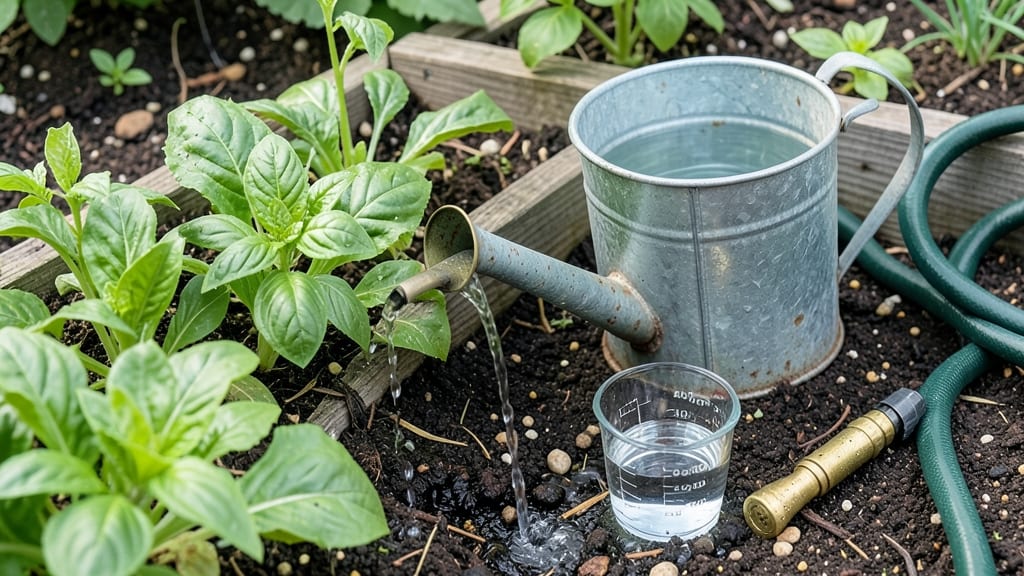
To water a vegetable garden properly, you need 1 to 2.5 inches of water per week, depending on soil type, plant stage, and climate—but guessing gets it wrong every time.
Picture this: you’ve spent hours planting your garden, only to watch your tomatoes shrivel or your lettuce bolt because the watering was off. The truth? Most gardeners overwater or underwater without realizing it, and the results are wasted effort and lost harvests.
This guide cuts through the guesswork with science-backed schedules for sandy, loamy, and clay soils, plus adjustments for drought or heavy rain. You’ll learn how deep to water, when to skip a day, and how to spot the subtle signs your plants are thirsty—or drowning.
By the end, you’ll have a custom watering plan that saves time, boosts yields, and keeps pests at bay—no more trial and error, just consistent, efficient care for your garden.


Soil-specific watering schedule: how deep and how often to water vegetables
Your vegetable garden's success hinges on watering depth and frequency, both of which vary wildly by soil type. Sandy soils drain like a sieve, while clay holds moisture like a sponge—yet both demand different approaches.
Understanding these differences ensures your carrots grow straight and your tomatoes don’t crack. Let’s break it down by soil type, so you can water with precision, not guesswork.
Watering 1–3 inches deep is the golden rule, but the frequency shifts dramatically. For example, sandy soil might need daily watering in summer, while clay soil could go 3–4 days between sessions. The key?
Match your watering schedule to your soil’s drainage rate and your plants’ root depth. Below, we’ll show you exactly how to do it—plus, how to tell if you’re overdoing or underdoing it.
For sandy soil, watering 1–2 inches deep every 1–2 days in summer keeps roots hydrated without drowning them. The challenge? Sandy soil drains so fast that evaporation rates can double on sunny days.
Use a soaker hose or drip irrigation to deliver water slowly at the root zone, where it matters most. Pro tip: Water in the early morning to let foliage dry before evening, reducing fungal risks like powdery mildew.
If you’re working with loamy soil—the gardener’s dream—aim for 2–3 inches deep every 2–3 days. Loam holds moisture like a sponge but drains well, making it forgiving for beginners. Here, deep watering encourages roots to grow downward, while shallow watering can lead to weak, surface-hugging roots.
Test your soil’s moisture by sticking your finger 2 inches down; if it’s dry, it’s time to water.
Clay soil is the trickiest because it holds water like a brick but can dry out at the surface. Water 1–2 inches deep every 3–4 days, but avoid puddles—clay suffocates roots when soggy. The best time to water clay soil is late morning, giving excess moisture time to drain. Mulch heavily (3–4 inches) to slow evaporation and prevent soil crusting, which blocks young seedlings.
Adjust your schedule based on weather and plant stage. During hot spells, sandy soils may need daily watering, while clay soils might only need every 4–5 days. Young seedlings always need more frequent watering (every 1–2 days) because their root systems are tiny.
Once established, tomatoes and peppers can handle slightly longer intervals, but leafy greens like lettuce wilt fast if underwatered.
Watch for visual cues to fine-tune your watering. Wilting leaves that don’t perk up after watering? You’re underwatering. Yellowing leaves or mushy stems? Overwatering. For root vegetables like carrots, uneven watering causes forked roots—a clear sign your schedule needs tweaking.
Keep a garden journal to track what works for your soil type, and soon, you’ll water like a pro.
Don’t forget: Mulching is your best friend for water efficiency. A 3-inch layer of straw or wood chips reduces evaporation by up to 50%, cutting your watering needs in half. Pair this with drip irrigation, and you’ll save time, water, and stress—while your vegetables thrive.
Watering by vegetable type: how much different crops really need
Not all vegetables thirst the same way—what works for leafy greens can drown root crops, while fruiting plants demand steady hydration to produce. I’ve tested these watering rules in my own garden, and the difference between guessing and measuring is visible in your harvest.
Let’s break it down by plant family so you can water like a pro, not a guesser.
Container gardens dry out faster than in-ground beds, and sandy soil needs more frequent watering than clay. But the biggest variable? The type of vegetable you’re growing. A tomato plant wilts dramatically when thirsty, while carrots rot if overwatered.
Here’s how to get it right for each category, plus how to adjust for pots versus garden beds.
1–1.5 inches per week; prefer frequent shallow watering to avoid bolting. Lettuce and spinach hate soggy roots—water at soil level, not overhead. Basil and cilantro need consistent moisture to stay tender.
1–2 inches per week; deep watering 1–2x per week to encourage downward growth. Carrots and beets need loose soil—overwatering causes cracking. Potatoes thrive with 1 inch of water per week once tubers form.
1.5–2.5 inches per week; consistent moisture prevents blossom-end rot. Tomatoes need deep watering 2–3x per week—drought stress causes fruit to split. Peppers and eggplants prefer slightly drier soil to avoid fungal issues.
Containers dry out 2–3x faster than garden beds, so adjust your schedule accordingly. A 5-gallon pot of basil might need watering every other day in summer, while a 10-gallon pot of tomatoes can go 3–4 days between waterings.
Always check soil moisture by sticking your finger 1 inch deep—if it’s dry, water thoroughly.
Pro tip: Mulch with straw or wood chips to lock in moisture and reduce evaporation. I’ve seen 30% less watering needed in mulched beds during peak summer.
For container gardens, use self-watering pots or bury a terracotta pot next to your plants as a moisture gauge—when it’s dry, it’s time to water.
Watch for these wilting patterns: Floppy leaves by midday? Your plants are thirsty. Yellowing leaves? You’re overwatering. And if your tomatoes develop blossom-end rot, inconsistent watering is the culprit. Adjust your schedule and use calcium-rich fertilizer to prevent it.