
Watering
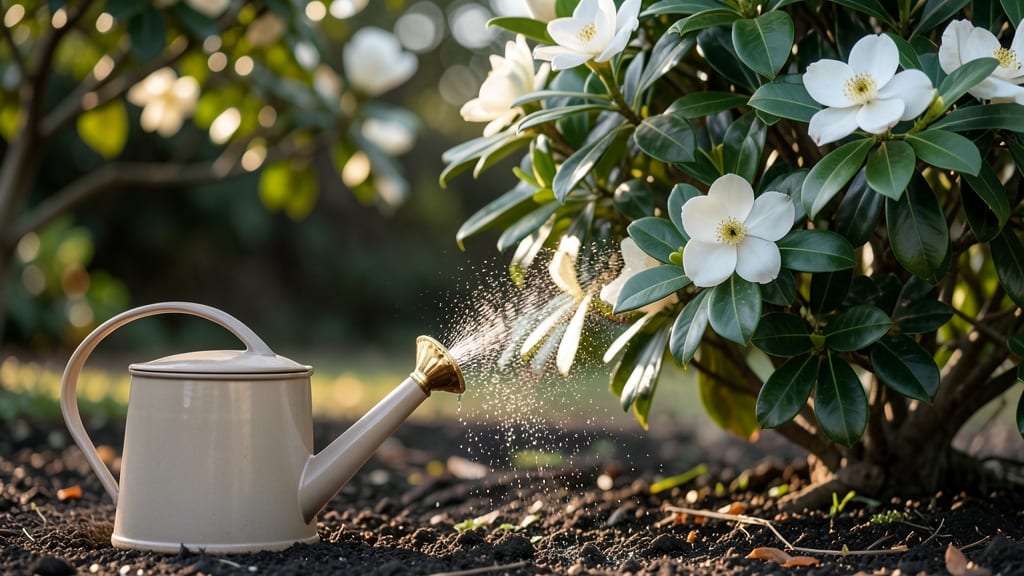
To keep your gardenias blooming beautifully, they need about 1 inch of water per week—but getting it right is trickier than you think.
Struggling to keep your gardenias blooming beautifully? Overwatering or underwatering can turn your fragrant shrubs into a sad, wilted mess—here’s the exact watering schedule they crave for year-round perfection. 🌸
Most gardeners guess and end up drowning their plants or leaving them thirsty, but the key is consistency. Too much water rots the roots, while too little stresses the plant and stunts those prized white blooms.
Below, I’ll break down the 1-inch weekly rule, how to adjust for summer heat or winter dormancy, and the telltale signs your gardenias are thirsty—or drowning. Let’s fix that once and for all.


The 1-Inch weekly watering rule: how much water gardenias actually need
Gardenias thrive when their roots receive consistent moisture, but too much water can drown them while too little causes stress and poor blooms. The 1-inch weekly watering rule is your golden standard—delivering just the right amount to keep these fragrant shrubs happy without risking root rot.
This isn’t a rigid schedule but a flexible guideline that adapts to your climate, soil type, and plant age.
Think of gardenias like a thirsty but delicate guest—they need regular sips of water, but you don’t want to overpour. The key is deep, infrequent watering that encourages roots to grow downward in search of moisture.
Shallow watering only wets the surface, leaving roots vulnerable to drought stress. For mature gardenias, aim to water when the top 1-2 inches of soil feel dry to the touch.
Why the 1-inch rule works: This measurement ensures water penetrates deep enough to hydrate the entire root zone while preventing waterlogging. Gardenias hate soggy soil, which can lead to fungal diseases like root rot or yellowing leaves. In hot, dry climates, you might need to water more frequently, while cooler, humid regions may require less. Always adjust based on your local weather and soil drainage.
| Season | Watering Frequency | Depth per Watering | Soil Check |
|---|---|---|---|
| Spring | Every 3-4 days | 1-1.5 inches | Top 1-2" dry |
| Summer | Every 2-3 days | 1.5-2 inches | Top 1" dry |
| Fall | Every 5-7 days | 1 inch | Top 2" dry |
| Winter | Bi-weekly | 0.5-1 inch | Top 3" dry |
| Container Gardenias | Every 2-3 days (summer) | 1 inch | Top 1" dry |
To test soil moisture, stick your finger about 1 inch deep into the soil near the base of the plant. If it feels dry, it’s time to water. For container gardenias, which dry out faster, check daily during heatwaves.
Use your finger or a moisture meter for accuracy—these tools are inexpensive and save you from guessing. Overwatering is the #1 killer of gardenias, so when in doubt, wait an extra day before watering again.
Seasonal adjustments are critical. In summer’s peak heat, gardenias may need watering every 2-3 days to prevent wilting, while winter dormancy reduces their needs to bi-weekly watering. Humid climates like the Southeast U.S. require less frequent watering than arid regions like Arizona or California.
Always water in the early morning to allow foliage to dry before nightfall, reducing fungal risks.
For newly planted gardenias, focus on keeping the soil consistently moist but not soggy for the first 3-4 weeks to encourage root establishment. After that, gradually taper off to the 1-inch weekly rule.
Mulching with 2-3 inches of organic mulch (like pine bark or shredded leaves) helps retain moisture and regulate soil temperature. Just keep the mulch 2 inches away from the plant stem to prevent rot.
Watch your gardenias’ leaves and blooms for clues about their water needs. Drooping leaves or yellowing edges often signal underwatering, while mushy stems or moldy soil indicate overwatering. Adjust your schedule accordingly—gardenias are resilient but will thrive best with consistency.
A small notebook to track watering dates and weather conditions can help you fine-tune your approach over time.
Pro tip: Use a rain gauge to monitor natural rainfall. If you’ve had 0.5 inches of rain in a week, you may not need to supplement. Gardenias in partial shade (their preferred spot) will also require less water than those basking in full sun.
Balance is everything—aim for moist but never waterlogged soil, and your gardenias will reward you with lush foliage and intoxicating blooms all season long.
Remember, every gardenia is unique. Pay attention to your plant’s growth patterns and environmental conditions, and don’t hesitate to tweak your watering routine. With the right balance, your gardenias will become the fragrant stars of your garden, blo
Signs your gardenias are overwatered or underwatered (and how to fix it)
Your gardenias might look lush, but their leaves tell a different story. Yellowing leaves or drooping buds often mean you’re overdoing or underdoing the water. These signs are your plant’s SOS signals—ignore them, and you’ll lose those prized white blooms. 🌸
First, check the soil. Stick your finger 2 inches deep—if it’s soggy, you’re overwatering. If it’s bone-dry, your gardenia is thirsty. The key is balance, especially in containers, where roots dry out faster. Let’s diagnose the problem step by step.
⚠️ How Much Water Do Gardenias Need?
1 inch per week is the golden rule, but adjust for:
- Summer heat: Daily watering (morning only)
- Containers: Every 2-3 days (dries faster)
- Winter dormancy: Bi-weekly (reduce by half)
- Clay soil: Less frequent (retains moisture)
Pro tip: Water at soil level, not leaves, to avoid fungal diseases. 💧
If your gardenia’s leaves are yellowing with brown edges, it’s likely overwatered. Root rot sets in quickly in soggy soil, cutting off oxygen to the roots. Mushy stems or blackened roots confirm the diagnosis. Act fast—prune affected roots and repot in fresh, well-draining soil.
Underwatered gardenias show crispy leaf edges and wilting despite soil being dry. The plant wilts because it’s conserving water, but this stress stops blooming. Deep watering (1-2 inches) every 3-5 days in summer fixes this. For containers, soak thoroughly until water drains from the bottom.
For both issues, mulch helps. Apply 2-3 inches of organic mulch (like pine bark) to retain moisture and regulate soil temperature. This mimics their natural habitat in humid, shaded forests. 🌿
Recovering takes patience. If overwatered, reduce frequency and improve drainage immediately. If underwatered, gradually increase watering while monitoring soil moisture. Within 2-3 weeks, you’ll see new growth—and those fragrant blooms will return. ✂️