
Picking
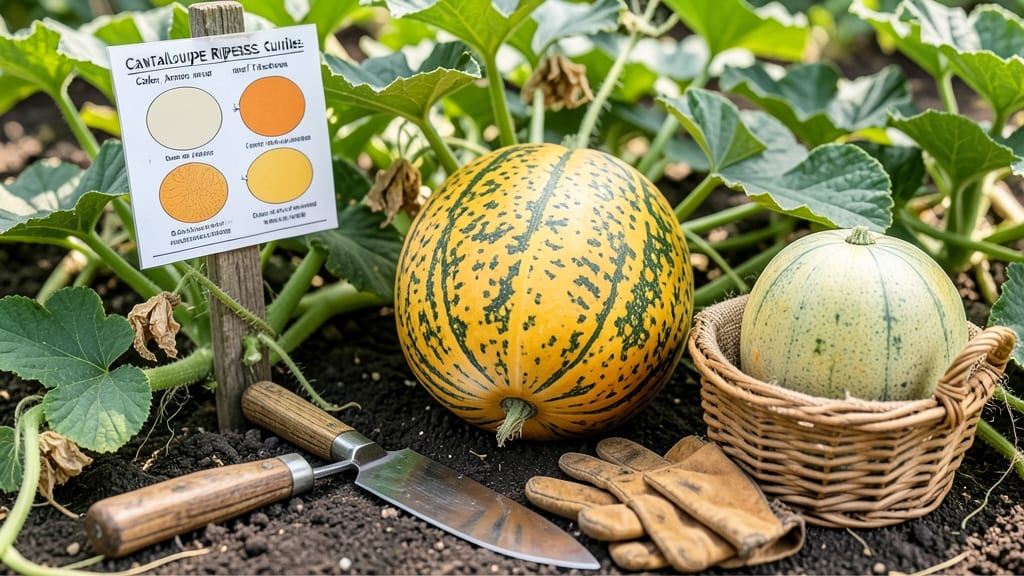
Picking cantaloupe at the right time transforms your garden harvest from so-so to sweet perfection—and the secret lies in knowing exactly when to pluck that 🍈 from the vine.
Picture this: you’ve nurtured your cantaloupe plants all season, watching them thrive in your 6a zone garden, only to pick a fruit that’s either rock-hard or mushy. That’s the moment you realize timing isn’t just a detail—it’s the difference between a magical summer treat and a wasted effort.
The good news? With a few simple tricks, you’ll never guess again.
From the classic slip-and-sniff test to spotting those telltale color shifts near the stem, we’ll break down the 3 foolproof cues that guarantee your cantaloupe is ready to harvest. Plus, we’ll cover how temperature and variety play into your timing—because not all cantaloupes ripen on the same schedule.
By the end, you’ll confidently harvest cantaloupe at its peak, every time—no more second-guessing, no more wasted fruit. Let’s get started.


The slip-and-sniff test: 3 science-backed steps to determine cantaloupe ripeness
Nothing beats the moment you pluck a perfectly ripe cantaloupe from your vine, its sweet aroma filling the air like a summer promise. Yet many gardeners struggle with the slip-and-sniff test—the classic trio of tricks that separates magical melons from disappointing ones.
I’ve harvested hundreds of cantaloupes over the years, and these three steps have never failed me, even in tricky weather conditions.
The secret lies in understanding three key signals your cantaloupe sends when it’s ready: the stem slip, the scent signature, and the internal thump. Each one reveals a different aspect of ripeness, and together, they create an infallible system.
Let’s break it down so you can taste the difference between a good melon and a great one.
⚠️ Pro Tip: Always perform these tests in the morning when temperatures are cooler. Heat can trick your senses, making melons feel riper than they actually are.
Step 1: The Stem Slip Test
Gently grasp the fruit stem where it meets the cantaloupe and twist slightly. A ripe cantaloupe’s stem should slip free with minimal resistance—like unscrewing a jar lid. If it resists or snaps, the melon isn’t ready yet.
Why it works: The stem naturally detaches as the fruit’s ethylene gas production peaks, signaling ripeness.
Step 2: The Blossom End Scent
Sniff the blossom end (the flat side where the flower was). A ripe cantaloupe emits a powerful, sweet aroma—like a mix of honey and tropical fruit. If it smells mild or musky, it’s not ready.
Troubleshooting: Some varieties (like Hale’s Best) have a stronger scent than others. Compare to a known ripe cantaloupe if unsure.
Step 3: The Thump Test
Give the cantaloupe a gentle thump near the blossom end. A ripe melon produces a deep, hollow sound—like knocking on a wooden door. If it sounds dull or flat, it’s underripe.
Science behind it: The internal flesh becomes juicier and less dense as sugars develop, changing the sound.
Now, let’s address the common pitfalls that trip up even experienced gardeners. False positives happen when melons are overripe or when environmental factors interfere. For example, hot afternoons can make stems slip easier, while drought stress might trick you into thinking a melon is ripe when it’s actually dehydrated.
To avoid mistakes, combine all three tests. A melon that passes two out of three might need a day or two more on the vine. And if you’re harvesting in humid climates, like the Southeast, stems may slip earlier due to moisture—so rely more on scent and thump.
One final trick: Check the netting (the webby pattern on the rind). When ripe, it should crack slightly under gentle pressure near the blossom end. This is your last visual confirmation before the big twist-and-sniff.
Mastering these steps means no more guesswork—just sweet, flavorful cantaloupes that taste like summer in every bite. Your garden’s hard work deserves this level of reward, and now you’ve got the tools to deliver it.
3 Visual cues to spot perfectly ripe cantaloupe before harvesting
When your cantaloupe plants are thriving in your USDA Zone 6a garden, knowing the exact moment to harvest can feel like solving a puzzle. But don’t worry—nature provides clear visual clues if you know where to look.
These three easy-to-spot signs will help you pick cantaloupe at its sweetest, juiciest peak, ensuring you avoid the disappointment of underripe or overripe fruit.
The first visual cue is often the most obvious: the color change near the stem. Unlike unripe cantaloupe, which stays pale green or white near the blossom end, a perfectly ripe fruit will show a creamy tan or buttery yellow blush in this area.
This color shift is your first green light that the fruit is ready to harvest. In cooler climates, this change might take a few extra days, so keep an eye on your plants.
🌱
-
1. Creamy Tan Blush Near Stem
Look for a buttery yellow or tan color near the blossom end—this indicates sugar development inside. In hot climates, this change happens faster (5-7 days), while cooler areas may take up to 10 days.
-
2. Vine Discoloration & Drying
The vine near the fruit stem will turn brown and dry out. This signals the plant is redirecting nutrients to the cantaloupe. If the vine is still green and flexible, wait 2-3 more days.
-
3. Slight Softness When Pressed
Gently squeeze the fruit near the stem—it should feel slightly soft but not mushy. A firm cantaloupe is underripe, while one that’s too soft may be overripe. Press with your thumb for the best test!
Pro Tip: Morning is the best time to check these cues—fruit is cooler and firmer, making it easier to assess ripeness.
Don’t overlook the vine’s condition as a secondary visual cue. As the cantaloupe ripens, the vine connecting it to the plant will dry out and turn brown. This happens because the plant is no longer supplying nutrients to the stem—it’s all focused on the fruit.
If the vine is still green and flexible, your cantaloupe needs a few more days on the vine.
Finally, the texture of the fruit is your third key indicator. A ripe cantaloupe will have a slight give when you press it gently near the stem with your thumb. It shouldn’t feel rock-hard (underripe) or squishy (overripe).
Think of it like the perfect firmness of a ripe peach—just enough to know it’s ready to be picked. This texture test is especially useful in hot, dry climates where cantaloupes can ripen quickly.
Regional variations matter here, too. In cooler northern climates, these visual cues might take longer to appear, while southern gardeners often see them develop in just 5-7 days.
Pay attention to your local growing conditions—your cantaloupe’s ripening timeline will adjust accordingly. With these three visual cues in mind, you’ll never second-guess when to harvest again!
☀️