
Planting
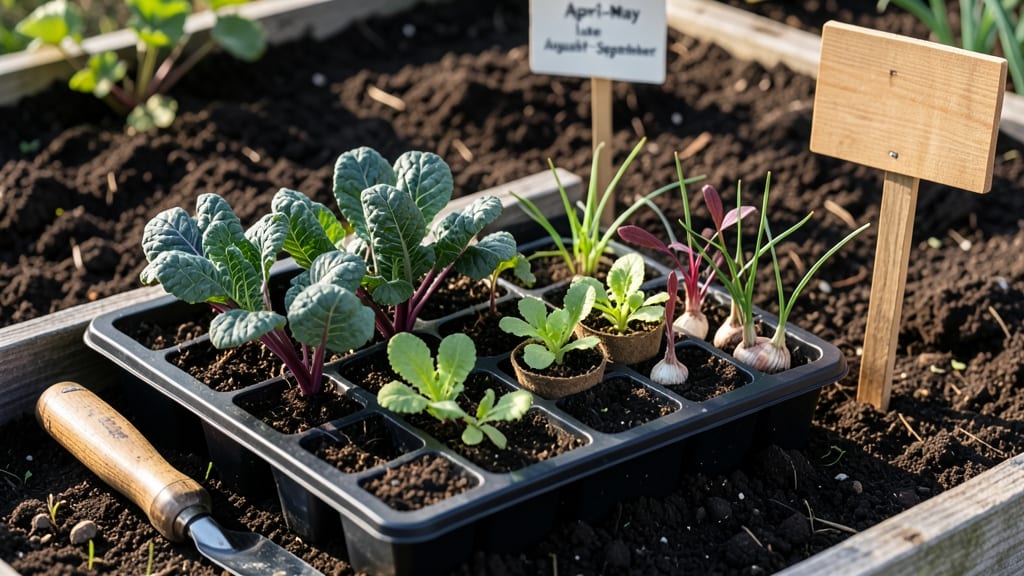
Planting a vegetable garden in New Brunswick at the right time means the difference between a bountiful harvest and wasted effort—especially when last frosts can sneak in as late as May.
Timing your vegetable garden in New Brunswick’s unpredictable climate—where last frosts can linger into May and early harvests are critical—can make the difference between a thriving garden and a failed crop. Avoid costly mistakes by planting at the perfect frost-free windows for your specific Zone 5A-6B location.
Whether you’re in Moncton, Fredericton, or Saint John, knowing when to start seeds indoors, transplant tender crops, and direct-sow hardy vegetables is the key to beating New Brunswick’s unpredictable weather.
This guide breaks down the exact frost-free dates, soil temperature thresholds, and crop-by-crop timelines to help you maximize yields.
From cold-hardy greens in early spring to heat-loving tomatoes in late May, we’ll cover everything you need to time your planting like a pro—plus backup strategies if Mother Nature throws a curveball.
New Brunswick planting calendar by zone: frost dates and ideal start times
New Brunswick’s Zone 5A-6B climate creates unique challenges for gardeners, with last spring frost dates varying dramatically across regions. In Fredericton (Zone 5B), expect frost by May 5, while Moncton (Zone 6A) typically sees its final frost around May 10.
Saint John’s coastal location pushes back frost dates until May 15, giving gardeners a slightly longer growing window. Understanding these frost-free timelines is critical for selecting the right cool-season vs. heat-loving crops.
Soil temperature plays an equally important role in germination success. Most cool-season vegetables like spinach and peas thrive when soil reaches 40-50°F (4-10°C), while warm-season crops such as tomatoes and peppers require 60°F (15°C) or warmer.
Using a soil thermometer can help you time plantings precisely, especially in New Brunswick’s unpredictable spring weather patterns. A late frost in May could devastate your early tomato plantings if not protected properly.
Here’s a zone-specific planting calendar that aligns with New Brunswick’s frost dates and soil temperature thresholds:
For cool-season vegetables, start seeds indoors 6-8 weeks before your expected last frost date. In Fredericton, that means mid-March plantings for spinach or lettuce, while Saint John gardeners can begin slightly later in late March.
Harden off seedlings before transplanting outdoors, especially if nighttime temperatures dip below 45°F (7°C). Use row covers or cold frames to extend your growing season by 2-3 weeks.
Warm-season crops like tomatoes, peppers, and cucumbers require soil temperatures above 60°F (15°C) to germinate properly. In New Brunswick, this typically aligns with late May to early June, depending on your zone. For a head start, sow seeds indoors 8-10 weeks before your last frost date.
Transplant seedlings outdoors only after the soil has warmed and nighttime temperatures stay above 50°F (10°C). A soil thermometer is your best tool for accuracy.
New Brunswick’s microclimates can create significant variations in frost dates, even within the same zone. Coastal areas like Saint John experience milder winters and later frosts, while inland regions such as Fredericton may see frost 5-7 days earlier.
Pay attention to local weather patterns—if your area has a history of late spring frosts, consider using frost cloth or planting frost-tolerant varieties like Swiss chard or kale for early harvests.
Succession planting is another essential strategy for maximizing your New Brunswick garden’s productivity. For leafy greens like lettuce or spinach, sow seeds every 2-3 weeks from early spring until mid-summer. This ensures a continuous harvest before fall frosts arrive.
For root vegetables like carrots or radishes, stagger plantings every 10-14 days to avoid bolting in hot weather. This method works particularly well for short-season crops that need to mature before frost.
Don’t overlook the importance of soil preparation before planting. New Brunswick’s clay-heavy soils in many areas benefit from amending with compost or aged manure to improve drainage and fertility. Aim for a pH between 6.0 and 7.0 for most vegetables.
Test your soil in early spring and adjust as needed. Adding organic matter not only feeds your plants but also helps retain moisture
Best vegetables to plant in early spring vs. late spring in New Brunswick
New Brunswick’s Zone 5A-6B climate demands smart timing—planting the wrong vegetables at the wrong time can mean wasted seeds or stunted growth. Early spring offers a narrow window for cold-hardy crops, while late spring opens the door to heat-loving favorites.
Let’s break down the best choices for each planting window to maximize your harvest potential.
For early spring planting (March-April), focus on vegetables that thrive in cool soil and can tolerate light frosts. These include leafy greens like spinach and kale, which grow quickly and provide fresh harvests before summer heat sets in.
Root vegetables like carrots and radishes also excel in early spring, as their growth isn’t hindered by cooler temperatures.
Late spring (May-June) is when you’ll want to introduce warm-season crops like tomatoes, peppers, and cucumbers. These plants need consistent warmth to germinate and flourish, so waiting until after the last frost date (typically mid-May) is crucial. Don’t rush—planting too early can leave your tender seedlings vulnerable to frost damage.
Here’s a quick comparison to help you decide which vegetables to plant in each window:
Early Spring Planting (March-April)
Late Spring Planting (May-June)
To extend your harvests, use succession planting. For example, sow a new batch of radishes every 2 weeks in early spring to ensure a continuous supply. Similarly, plant bush beans or zucchini in late May and again in early July for a staggered harvest.
Don’t forget to monitor your garden closely—New Brunswick’s weather can shift quickly. Use row covers to protect early spring plants from unexpected frosts, and keep an eye on soil temperatures with a soil thermometer to ensure optimal growing conditions for late spring crops.
By aligning your planting schedule with New Brunswick’s climate, you’ll enjoy a longer harvest season and fewer disappointments. Start with cold-hardy crops in early spring, then transition to heat-lovers as the weather warms up—your future self (and your taste buds) will thank you!