
Watering
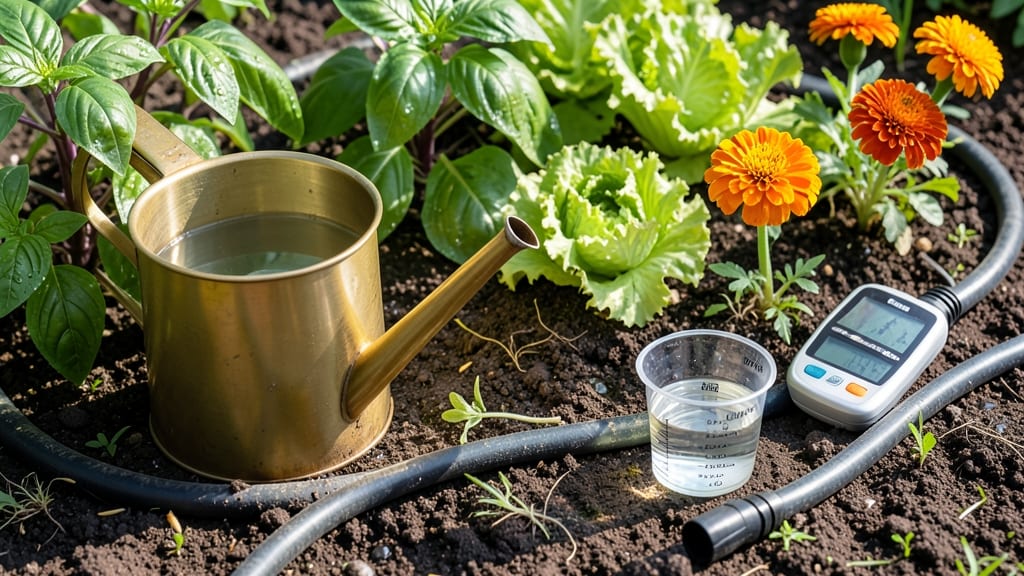
Your garden needs watering based on soil type, climate, and plant needs—not just a set schedule or guesswork.
Wondering why some plants thrive while others wilt—even with the same watering routine? The answer lies in your soil type, which dramatically impacts how much water your garden truly needs. Clay holds moisture for days, while sandy soil drains in hours, and loamy soil strikes a balance.
Without knowing your soil’s quirks, you’re basically playing a hydration guessing game with your plants.
Too much water drowns roots, while too little stresses plants and invites pests. The key is deep, infrequent watering that encourages strong roots—whether you’re dealing with USDA Zone 6a or a high-heat summer.
Below, I’ll break down the exact watering rules for your soil, plus how to spot when your garden is thirsty (or drowning).
By the end, you’ll know exactly how to water for perfect results, no more wasted gallons or wilting disappointment. Let’s get your garden hydrated the right way.


Water requirements by soil type: clay, sandy, and loamy soil explained
Your garden's soil type is the silent water regulator—controlling how much water plants absorb and how often you need to water. Clay soil holds water like a sponge, while sandy soil drains faster than a sieve, and loamy soil strikes the perfect balance.
Understanding these differences means the difference between lush gardens and struggling plants.
I’ve seen firsthand how clay-heavy gardens can drown roots if overwatered, while sandy patches leave plants parched despite frequent watering. Even loamy soil, the gardener’s gold standard, requires careful attention to avoid extremes. Let’s break down how each soil type behaves and what it means for your watering routine.
| Soil Type | Water Retention | Drainage Speed | Ideal Watering Frequency | Root Health Risk |
|---|---|---|---|---|
| Clay | High (holds 40-60% water) | Slow (water pools at surface) | Every 5-7 days (deep but less often) | Root rot from overwatering |
| Sandy | Low (holds 10-30% water) | Fast (water drains within hours) | Every 2-3 days (light but frequent) | Drought stress from rapid drying |
| Loamy | Moderate (holds 30-50% water) | Balanced (drains evenly) | Every 3-5 days (consistent moisture) | Minimal risks with proper care |
Clay soil acts like a water reservoir, but its tight particles trap air, suffocating roots if saturated. I’ve seen tomatoes in clay gardens struggle unless I amend the soil with compost or sand to improve aeration. The key? Water deeply but infrequently—think 1-2 inches per week—and let the soil dry slightly between waterings.
On the opposite end, sandy soil drains so quickly that water barely touches roots. Plants like zucchini or peppers in sandy beds can wilt by midday if not watered morning and evening.
To help, I mix in organic matter like peat moss to slow drainage. Mulching also retains moisture near the surface where roots can access it.
Loamy soil is the gardener’s dream because it balances retention and drainage. My herb garden thrives in loam because it holds enough moisture for basil and parsley but drains excess to prevent rot. For loamy soil, aim for 1 inch of water per week, adjusting for rain. A simple finger test—inserting your finger 1 inch deep—tells me when to water.
Seasonal shifts also change water needs. In summer heat, clay soil may need 30% more water than spring, while sandy soil might require daily checks. I adjust by monitoring leaf wilting (underwatering) or yellowing leaves (overwatering).
For clay, I use a soaker hose to deliver water slowly; for sand, a drip irrigation system keeps moisture consistent.
Don’t forget that amending soil can transform water challenges. Adding compost to clay improves drainage, while peat moss in sand boosts moisture retention. Even a 2-inch mulch layer reduces evaporation by 30%.
Start with a soil test to identify your garden’s needs—it’s the first step to perfect hydration for every plant type.
Pro tip: Group plants with similar water needs together. Drought-tolerant lavender belongs near rosemary in sandy soil, while water-loving hostas thrive in clay patches. This zoning strategy cuts watering time in half and keeps your garden thriving year-round.
💧
How to calculate your garden’s exact water needs (step-by-step)
Calculating your garden’s water needs isn’t about guessing or following a one-size-fits-all schedule. Instead, it’s about understanding your soil’s moisture capacity, your local climate, and your plants’ specific needs.
Many gardeners overwater because they assume more is better—when in reality, most plants prefer deep, infrequent watering that encourages strong root systems. Without precise measurements, you risk wasting water or suffocating roots with soggy soil.
Start by identifying your soil type (clay, sandy, or loamy) and your USDA Zone 6a climate, which affects evaporation rates. For example, sandy soil drains quickly and may need daily watering in summer, while clay holds moisture for days.
The key is to match your watering routine to these factors, not a generic calendar. Below, I’ll walk you through the exact steps to calculate your garden’s needs—so you can water like a pro, not a guesser.
Step-by-Step Water Needs Calculator
-
Step 1: Test Soil Moisture
Use the finger test—stick your finger 1-2 inches into the soil. If it feels dry, water; if damp, wait. For precision, use a moisture meter ($15-$25 at garden centers).
-
Step 2: Measure Weekly Rainfall
Check your local rain gauge or weather app. If you’ve had 1 inch of rain this week, reduce hand-watering by half.
-
Step 3: Adjust for Soil Type
Sandy soil: Water daily in summer (1/2 inch per session). Clay soil: Water every 3-4 days (1 inch per session). Loamy soil: Water every 2-3 days (3/4 inch per session).
-
Step 4: Water Deeply, Not Often
Water until moisture reaches 6 inches deep—use a screwdriver to check. This trains roots to grow downward, making plants drought-resistant.
-
Step 5: Time It Right
Water early morning (6-9 AM) to reduce evaporation and fungal diseases. Avoid evening watering—wet leaves overnight invite mildew.
-
Step 6: Seasonal Adjustments
Spring/Fall: Water 2-3x per week (1 inch total). Summer: Water daily (1/2 inch per session) if temps exceed 85°F. Winter: Reduce to bi-weekly or skip if soil is frozen.
-
Step 7: Track and Refine
Keep a watering journal for 4 weeks. Note which plants thrive, wilt, or develop yellow leaves. Adjust your schedule based on real-time feedback.
Pro tip: Group plants with similar water needs together in your garden layout. For example, place tomatoes and peppers (high water needs) near your irrigation source, while lavender and rosemary (drought-tolerant) can go in a dry corner. This zone-based watering saves time and ensures no plant gets neglected.
Remember, the goal isn’t to keep soil soggy—it’s to provide consistent moisture at the root zone. Overwatering is just as harmful as underwatering, so always check before adding more. With these steps, you’ll master the art of hydration and watch your garden flourish—no more guesswork, just thriving plants.