
Blooming
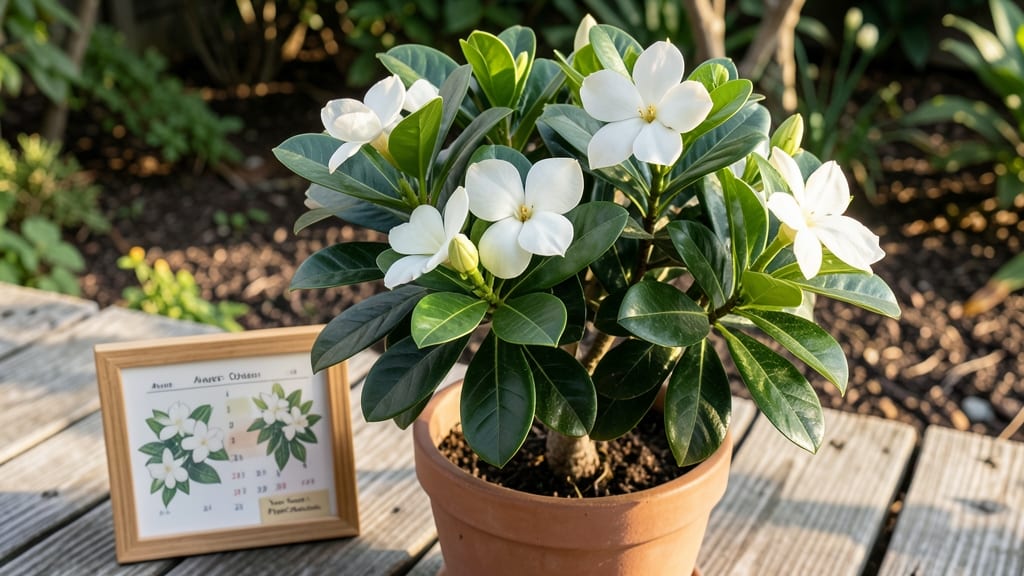
Gardenias typically bloom twice yearly—spring and fall—with each flowering cycle lasting 4-6 weeks, though some varieties may produce occasional blooms year-round in warm climates. Proper care like pruning and sunlight exposure can significantly boost their blooming frequency.
Most gardenias follow a predictable blooming rhythm tied to seasonal changes, particularly in temperate climates where they enter dormancy during winter. 🌸 The spring blooms usually appear first, triggered by increasing daylight and warming temperatures, while fall blooms often peak in late summer or early autumn as days shorten.
Varieties like G. jasminoides (common gardenia) are especially sensitive to temperature shifts, requiring consistent warmth to maintain regular blooming. In warmer USDA zones (8-10), some gardenias may produce sporadic blooms throughout the year, though these are often less abundant than seasonal cycles.
What truly makes a difference in blooming frequency is how well you mimic their natural growing conditions. Gardenias thrive in bright, indirect light and well-draining, acidic soil (pH 5.0-6.5), which helps prevent bud drop—a common issue when plants struggle.
I’ve found that pruning right after each blooming cycle (spring and fall) encourages new growth and more abundant flowers the following season. Fertilizing with an acid-loving plant formula every 4-6 weeks during growing months also gives them the nutrients they need to produce those iconic, fragrant blooms.
💡 In This Article
- Gardenia Flowering Seasons: Climate and Variety Factors
- Tips to Encourage Frequent Gardenia Blooms
Gardenia flowering seasons: climate and variety factors
Gardenias are highly sensitive to temperature shifts, which explains why they bloom primarily in spring and fall—these seasons provide the ideal balance of warmth and daylight. 🌿 In temperate climates (USDA zones 7-9), gardenias enter dormancy when temperatures drop below 50°F, halting blooming until spring.
The spring blooms kick off when daytime temperatures consistently reach 65-75°F, signaling the plant to produce flowers. This response is tied to a biological process called vernalization, where exposure to cold temperatures (even briefly) primes the plant for spring growth.
Varieties like G. jasminoides (the most common gardenia) are particularly sensitive to these temperature cues, often producing 60-80% of their annual blooms in spring, with a secondary flush in fall.
In contrast, tropical varieties such as G. augusta (also called Cape Jasmine) may bloom more sporadically in warmer climates (USDA zones 10-11), where they experience minimal temperature fluctuations. These tropical gardenias can produce blooms year-round, though the flowers tend to be smaller and less abundant than their seasonal counterparts.
The key difference lies in their evolutionary adaptation—temperate gardenias developed seasonal blooming to conserve energy during cold months, while tropical varieties prioritize continuous growth.
Daylight length also plays a critical role. Gardenias are short-day plants, meaning they respond to decreasing daylight in late summer, which triggers the fall blooming cycle. This is why gardenias in northern latitudes (like zone 7) often bloom later in the season compared to those in warmer zones.
For example, a gardenia in Miami (zone 10) might produce blooms every 2-3 months, while one in Atlanta (zone 7b) will have a more defined spring and fall schedule. The variation in blooming frequency is directly tied to how closely the plant's environment mimics its natural tropical or subtropical habitat.
Another critical factor is humidity. Gardenias thrive in environments with 50-70% relative humidity, and low humidity can cause buds to drop before opening. In dry climates, gardenias may produce fewer blooms or struggle to maintain flower quality.
This is why gardenias are often grown as indoor plants in arid regions—they can be coaxed into blooming more frequently with consistent humidity levels, such as misting or using a humidifier.
The fragrance of gardenia blooms is also at its peak in these conditions, releasing their signature sweet, creamy scent more intensely when humidity is optimal.
For gardeners in cooler climates, understanding these factors can help extend the blooming season. For instance, providing artificial light supplementation in late fall can sometimes encourage a delayed fall bloom, while moving potted gardenias indoors during winter can protect them from cold snaps that might otherwise halt flowering.
The goal is to create an environment that closely mimics the plant's natural growing conditions, whether that means replicating tropical warmth or carefully managing seasonal dormancy.