
Watering
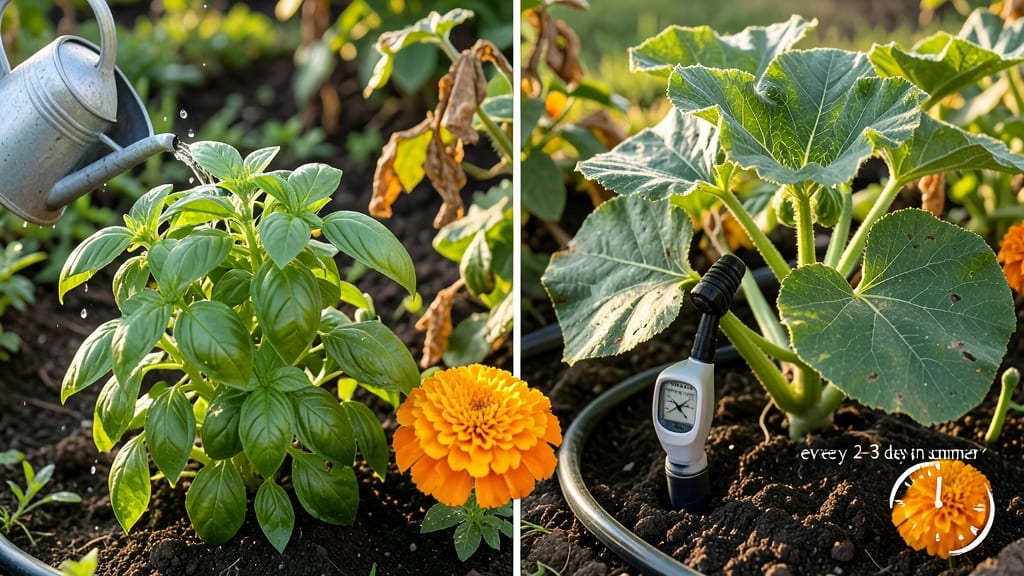
You need to water your garden based on plant type, soil, and weather—but guessing gets it wrong every time.
Overwatering or underwatering your garden can turn your green thumb into a wilting disaster—here’s the exact watering schedule your plants actually need to thrive.
Think about it: a thirsty tomato plant and a drought-tolerant lavender have nothing in common except needing water. Yet most gardeners treat them the same, leading to wasted effort or lost crops.
Below, I break down the science-backed watering intervals for General Garden Plants 🌱, plus how to adjust for USDA Zone 6a heatwaves, heavy rains, and seasonal shifts—so you never over- or underdo it again.
Watering frequency by plant type: a science-backed schedule
Watering your garden isn't a one-size-fits-all task—each plant type has unique needs based on its root depth, leaf surface, and growth stage. Overwatering can suffocate roots, while underwatering stresses plants into dormancy.
The key is understanding how much moisture your specific plants crave, from leafy greens that love consistent dampness to succulents that thrive on neglect. Let’s break down the science-backed watering schedule for your garden’s most common residents.
First, consider your soil type—sandy soil drains quickly, requiring more frequent watering, while clay holds moisture longer. Then factor in your local climate: hot, dry summers demand daily checks, while cool springs may stretch watering to every 5-7 days.
For accuracy, always water until moisture reaches 6-12 inches deep, depending on the plant’s root system. This ensures roots grow deeper, not just wider, making your garden more resilient to drought.
| Plant Type | Watering Frequency | Depth | Best Time | Notes |
|---|---|---|---|---|
| Leafy Greens (Lettuce, Spinach) | Every 2-3 days | 1-2 inches | Morning | Keep soil consistently moist; avoid soggy soil. |
| Tomatoes & Peppers | Every 3-4 days | 6-8 inches | Morning | Deep watering encourages root growth and fruit production. |
| Herbs (Basil, Cilantro) | Every 2-4 days | 1-2 inches | Morning | Herbs hate wet feet; let topsoil dry slightly between waterings. |
| Flowers (Marigolds, Petunias) | Every 4-5 days | 2-3 inches | Evening | Most flowers tolerate drier soil; adjust for heatwaves. |
| Shrubs (Roses, Hydrangeas) | Every 5-7 days | 8-12 inches | Morning | Established shrubs need deep, infrequent watering. |
| Succulents & Cacti | Every 2-4 weeks | 1 inch | Morning | Water only when soil is completely dry; overwatering kills them. |
Vegetables like tomatoes and peppers need deep watering—aim for 6-8 inches of moisture—every 3-4 days during their growing season. This encourages strong root systems and prevents blossom-end rot, a common problem when soil moisture fluctuates wildly.
For leafy greens, such as lettuce and spinach, keep the top 1-2 inches of soil consistently moist. These plants bolt (go to seed) quickly if stressed by dry conditions, so frequent, light watering is key.
Herbs often get overlooked, but they’re fussy about moisture. Basil, for example, thrives with daily watering in summer but wilts if its roots sit in soggy soil. Cilantro, on the other hand, bolts if it dries out too quickly.
The trick? Water herbs in the morning and let the topsoil dry slightly between sessions. This mimics their natural Mediterranean climate and prevents fungal diseases like powdery mildew.
Flowers like marigolds and petunias are more drought-tolerant once established, but they still need regular watering—every 4-5 days—to keep blooming. The exception? Succulents and cacti, which store water in their leaves and stems.
These plants should only be watered when the soil is bone dry, typically every 2-4 weeks. Overwatering is their #1 killer, so always check moisture levels before reaching for the hose.
Shrubs, such as roses and hydrangeas, have deep root systems and can handle slightly drier conditions once mature. However, newly planted shrubs need consistent moisture for the first year to establish roots. Water deeply—8-12 inches—every 5-7 days, and mulch around the base to retain moisture.
This not only reduces watering frequency but also keeps soil temperatures stable, which is crucial for root health.
Seasonal adjustments are critical. In summer, most plants need watering daily or every other day, especially in containers where soil dries out faster.
In spring and fall, you can stretch watering to every 5-7 days, while winter often requires only bi-weekly or monthly watering, depending on your climate. Always adjust based on rainfall—there’s no need to water if Mother
How to check soil moisture without guessing (and why timing matters)
Guessing how often to water your garden is a fast track to overwatered roots or parched plants. Instead, let the soil tell you when it's thirsty.
The key is understanding moisture levels at the root zone—where most plants absorb water. Timing matters too: watering at the wrong time can waste resources or invite fungal diseases. Let’s break down the best methods to check soil moisture and adjust your watering schedule like a pro.
Most gardeners make the mistake of watering based on a fixed schedule rather than actual soil conditions. For example, you might water every morning without checking if the topsoil is already damp. Soil moisture varies by plant type, season, and even time of day.
A tomato plant in summer needs frequent deep watering, while a lavender bush in fall might only need a drink every 10-14 days. The solution? Test your soil before you water.
Stick your index finger 1-2 inches deep into the soil. If it feels dry, water. If damp, wait. Clay soil stays moist longer; sandy soil dries faster.
Insert the probe 2-3 inches deep for accurate readings. Most meters show moisture percentage or a "dry/wet" indicator. Ideal for container gardens or high-value crops.
Lift a small clump of soil—if it crumbles easily, it’s dry. If it sticks together, it’s moist. Watch for wilted leaves (underwatering) or yellowing foliage (overwatering).
In summer heat, check soil moisture daily. In winter dormancy, reduce watering by 50%. Rainy days? Skip watering entirely and let nature hydrate your garden.
Timing your watering is just as critical as how much you give your plants.
Watering in the early morning (5-9 AM) is ideal because it reduces evaporation and gives plants time to absorb moisture before the heat of the day. Avoid watering at night, as damp foliage can lead to fungal diseases like powdery mildew.
If you must water in the evening, use a soaker hose to target the soil directly and minimize leaf wetness.
Don’t ignore the signs of plant stress. Drooping leaves often signal thirst, but crispy edges or yellowing leaves can mean overwatering. Root rot is a silent killer—if your plant’s leaves turn brown and mushy, it’s likely drowning in its own pot.
Adjust your watering based on these cues: if your tomatoes show stress after a week without rain, it’s time to water deeply. If your roses look healthy after a week with no water, you’re probably overdoing it.
Pro tip: Mulch your garden beds with 2-3 inches of organic mulch (like straw or wood chips) to retain moisture and regulate soil temperature. This can cut your watering needs by up to 30% by slowing evaporation.
Pair mulching with your soil moisture checks, and you’ll have a garden that thrives with minimal guesswork.
Remember, every garden is unique. What works for your neighbor’s well-draining clay soil might not suit your sandy loam. Start with these methods, keep a watering journal**, and fine-tune your approach based on what your plants tell you. Soon, you’ll be watering like a seasoned gardener—no guesswork required. 💧