How To
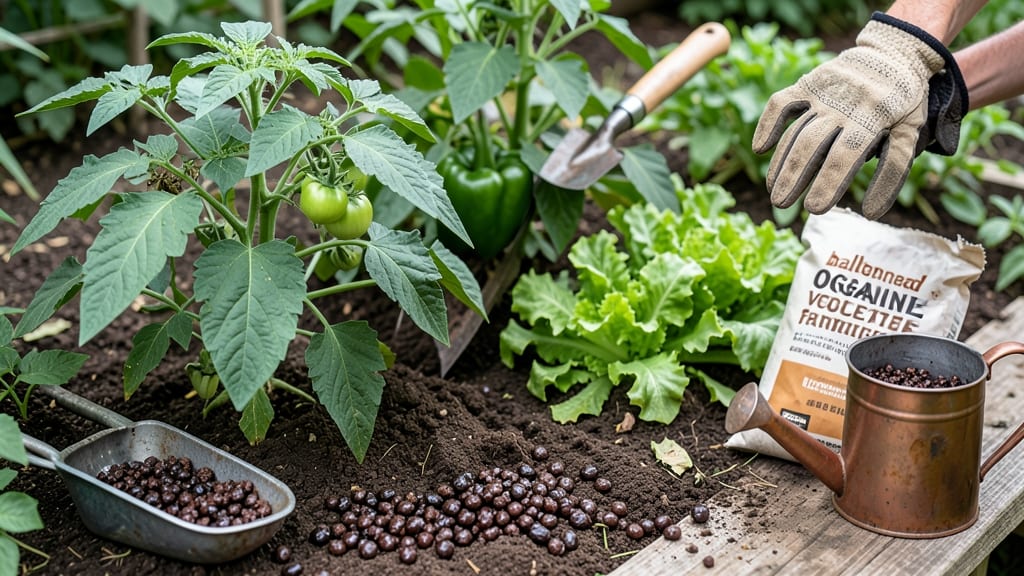
To fertilize a vegetable garden properly, you need to match the timing and type to your plants' needs—leafy greens crave nitrogen, while fruiting crops need a balanced blend.
Struggling to keep your 🥬 thriving? Over- or under-fertilizing can spell disaster for your crops—so timing and ratios matter just as much as the fertilizer itself. One wrong move and you’re either watching your tomatoes burst with leaves instead of fruit or dealing with burnt roots from too much salt.
Most gardeners feed their vegetable garden every 4 to 6 weeks during the growing season, but the real trick is adjusting for what’s in the soil and what’s in the plant. A quick soil test tells you whether you’re missing nutrients or drowning your crops in excess.
Below, I break down the best schedules for leafy greens, fruiting plants, and root crops—plus how to spot when your garden is begging for a boost (or begging you to stop).

Fertilization frequency by vegetable type: nitrogen-potassium ratios explained
Getting your vegetable garden's fertilization schedule right can mean the difference between lush harvests and struggling plants. The key lies in understanding nitrogen-potassium (NPK) ratios and how often different crops need feeding.
Leafy greens, fruiting plants, and root vegetables all have unique needs, and fertilizing too much or too little can harm your yields.
For example, leafy greens like spinach thrive with high-nitrogen fertilizers, while tomatoes and peppers need balanced ratios with more potassium as they mature. Even root crops like carrots have specific timing needs to prevent forked or bitter roots.
Let's break down the science behind these ratios and how to apply them seasonally.
Spring planting often requires more frequent fertilization to kickstart growth, while fall crops may only need a light feeding. The NPK ratio on your fertilizer bag (like 10-10-10 or 5-10-10) tells you exactly how much nitrogen, phosphorus, and potassium your plants are getting.
Matching this to your crop's needs is half the battle.
Here's a quick reference for common vegetable types, their ideal fertilization frequency, and NPK ratios:
For leafy greens, focus on nitrogen-rich fertilizers early in the season to promote rapid leaf growth. A ratio like 5-10-10 works well, and you can fertilize every 3-4 weeks.
In spring, I like to give them a boost at planting and again when they're about 4 inches tall to keep them growing strong.
When it comes to fruiting plants like tomatoes, the game changes as they mature. Start with a balanced fertilizer like 10-10-20 at planting, then switch to a higher-potassium formula (like 0-10-20) when flowers appear. This helps prevent blossom end rot, a common issue caused by potassium deficiency.
Root crops are particularly sensitive to over-fertilization, especially nitrogen. Too much can lead to forked carrots or bitter potatoes. For these, I recommend a single light feeding at planting using a low-nitrogen fertilizer like 3-10-10. After that, let compost and organic matter in the soil do the work.
Seasonal adjustments are crucial. In spring, when plants are establishing roots and leaves, they need more frequent feeding. But as summer heat sets in, reduce frequency to avoid burning plants. For fall crops, cut back fertilization entirely 4-6 weeks before your first frost to let plants mature properly.
One pro tip I've learned is to always water your plants thoroughly before applying fertilizer. This helps distribute nutrients evenly and prevents root burn. And remember, organic fertilizers like composted manure or fish emulsion release nutrients slowly, so you can feed less frequently than with synthetic fertilizers.
Pay attention to your plants' color and growth patterns. Yellowing leaves often signal nitrogen deficiency, while purple stems can mean phosphorus is lacking. Adjust your fertilization schedule based on what you observe, and don't be afraid to skip a feeding if your
Signs your vegetable garden needs fertilizer (and when to stop)
Your vegetable garden sends clear signals when it's hungry or overfed—you just need to know what to look for. Yellowing leaves on spinach or kale often mean a nitrogen deficiency, while purple stems on tomatoes or peppers scream for phosphorus.
Ignoring these clues can stunt growth or even kill your plants before harvest time.
On the flip side, crispy brown edges on foliage or excessive leafy growth with few fruits are classic signs of over-fertilization. Too much nitrogen pushes plants to grow leaves instead of producing the vegetables you planted for. The key is balancing what your garden needs with what it can handle.
🌱
Most gardeners fertilize too often, especially in spring and summer. Here’s how to avoid common traps:
- Frequency: Never feed more than every 4-6 weeks during active growth (March-October).
- Amount: Follow label rates—1 cup per 10 sqft is standard for balanced fertilizers.
- Timing: Stop fertilizing 4-6 weeks before first frost to avoid late-season stress.
- Soil Test: Test soil every 2-3 years—organic matter reduces the need for synthetic boosts.
Pro Tip: Leafy greens need high nitrogen (e.g., 5-10-10), while fruiting plants thrive on balanced NPK (e.g., 10-10-10).
Start by inspecting the oldest leaves—they’re the first to show deficiencies. Yellowing between veins often indicates nitrogen issues, while brown spots or wilting could mean potassium or magnesium is lacking. For root crops like carrots or potatoes, stunted growth or forked shapes usually point to phosphorus shortages.
Over-fertilization is just as damaging. If your tomato plants produce all leaves and no fruit, or if peppers develop burnt tips, you’ve likely overdone it. Salt buildup in soil (from synthetic fertilizers) can also repel water, causing roots to dry out.
Always water thoroughly after applying fertilizer to rinse excess salts away.
For a quick fix, try compost tea or a fish emulsion (diluted to half-strength) if you spot deficiencies early. These gentle options rebuild soil health without shocking your plants.
If your garden looks overly lush but unproductive, flush the soil with water and hold off on fertilizing for 6-8 weeks to let plants recover.
Remember: Healthy soil = happy plants. Amend your beds with aged compost or well-rotted manure before planting to reduce reliance on synthetic fertilizers. This builds long-term fertility and cuts down on the guesswork of when to feed your garden.
🌿