
Size
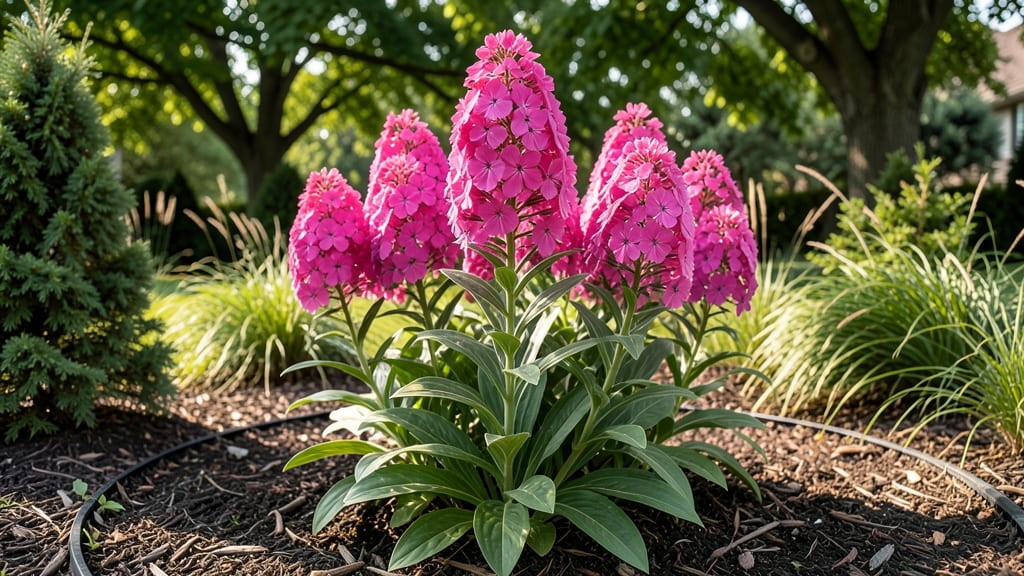
How tall do garden phlox get? The answer depends entirely on the variety—mature types can reach 3 to 4 feet, while dwarf selections stay as short as 8 to 12 inches, making them incredibly versatile for different garden layouts.
If you’re dreaming of vibrant summer blooms but wondering whether garden phlox will tower over your garden beds or stay neatly contained, you’re not alone—this classic perennial’s height varies dramatically by variety.
From dwarf varieties perfect for containers to towering giants that demand space, understanding phlox height ranges is key to planning your garden’s vertical layout.
Tall phlox varieties create stunning backdrops for borders or cut flower arrangements, while shorter types thrive in window boxes or mixed borders. The right placement not only saves space but also ensures your phlox blooms look their best without flopping or crowding other plants.
Below, I’ll break down the height ranges by variety, share pruning tips to control growth, and recommend the best types for small gardens versus bold statement plantings—so you can pick the perfect phlox for your space.


Garden phlox height ranges by variety: dwarf to giant types
Garden phlox (Phlox paniculata) is a summer garden staple, but its height can vary from 8 inches to over 4 feet, depending on the variety. This dramatic range means you can use phlox in everything from window boxes to tall garden backdrops.
The key to choosing the right type lies in understanding how each category grows and where it thrives in your landscape.
For example, dwarf phlox varieties like 'Little Missuff' stay compact at just 10-12 inches, making them perfect for edging or container gardens. Meanwhile, tall phlox like 'David' can reach 4 feet or more, ideal for creating dramatic focal points or screening unsightly areas.
Let’s break down the height ranges and ideal uses for each category.
🌱
If you’re working with limited space, dwarf varieties like 'Blue Ridge' (10–12 inches) or 'Jeana' (12–15 inches) are game-changers. These types thrive in containers or as border edging, offering the same vibrant blooms without overwhelming your layout.
Their clumping growth habit also makes them ideal for rock gardens or steppingstone paths.
For medium-height phlox (2–3 feet), varieties like 'Lipstick' or 'Pink Mammoth' strike the perfect balance. They’re tall enough to create height variation in mixed borders but don’t require the same support as their taller cousins.
These types are also cut-flower favorites because their stems stay sturdy in vases, lasting 7–10 days when harvested at the right stage.
When it comes to tall phlox, 'David' and 'White Delight' are standouts, reaching 3–4 feet or taller.
These varieties are perfect for backdrop planting or screening unsightly views, but they do need sturdy support—think bamboo stakes or cage-like trellises—to prevent flopping, especially in humid climates or heavy rainfall.
Lesser-known varieties like 'Blue Moon' (2–3 feet) or 'Cherokee Brave' (3–4 feet) offer unique colors and textures while fitting neatly into cottage-style gardens or wildflower meadows.
These types often have longer bloom times (up to 6–8 weeks) and attract pollinators like butterflies and bees, adding another layer of garden functionality.
Pro tip: If you’re unsure about height, consider planting multiple varieties together. For example, pairing a dwarf phlox in the front with a tall variety in the back creates a layered, dimensional look that’s both practical and visually stunning.
Just ensure all types get full sun to partial shade and well-draining soil to prevent legginess or flopping.
🌿
How to control phlox height naturally: pruning and care tips
If your garden phlox is reaching for the sky when you’d prefer a more compact display, don’t worry—height control is easier than you think! With the right pruning techniques and seasonal care, you can guide phlox to stay within your desired height limits.
Whether you’re working with tall varieties that need support or dwarf types that might flop, these natural methods will keep your phlox looking polished and intentional.
One of the biggest mistakes gardeners make is pruning at the wrong time. Timing is everything when it comes to shaping phlox without sacrificing blooms. For example, cutting back too early can stunt flower production, while waiting too long may leave you with leggy, floppy stems.
The key is to prune in two strategic phases: once in early spring and again after the first flush of blooms. This two-step approach ensures your phlox stays neat, healthy, and blooming all season long.
Here’s how to manage phlox height naturally, from dwarf varieties to towering giants, using proven techniques:
Step-by-Step Pruning Guide for Phlox Height Control
-
Step 1: Early Spring Cleanup (Late February - Early March)
Cut back last year’s stems to 4-6 inches above the ground. This encourages new, bushier growth and prevents disease from lingering in old foliage.
-
Step 2: First Bloom Pruning (After First Flowering, June)
Deadhead spent blooms and trim stems back by one-third. This triggers a second flush of flowers and keeps stems from becoming woody and leggy.
-
Step 3: Late Summer Thinning (August)
Lightly prune overcrowded stems to improve airflow and prevent powdery mildew. Focus on tall varieties that may need staking or support.
-
Step 4: Fall Prep (October)
Cut back all stems to 2 inches above the ground. Add a 2-inch layer of mulch to protect roots and regulate soil temperature over winter.
For tall phlox varieties like ‘David’ or ‘Lipstick,’ consider adding bamboo stakes or tomato cages in early summer to prevent flopping. Secure stems loosely with soft plant ties to avoid damaging the stems. This support system also makes harvesting cut flowers easier while keeping your garden looking intentional.
Don’t forget that proper spacing at planting time can also control height naturally. When planting medium-height varieties (2-3 feet), space them 18-24 inches apart. For tall phlox (3-4 feet), allow 24-36 inches between plants. This reduces competition for nutrients and encourages stronger, more compact growth.
With these natural height-control methods, your phlox will thrive without the need for harsh chemicals or extreme pruning. Whether you’re aiming for a neat border or a dramatic backyard backdrop, these tips will help you achieve the perfect height for your garden vision. Happy pruning!